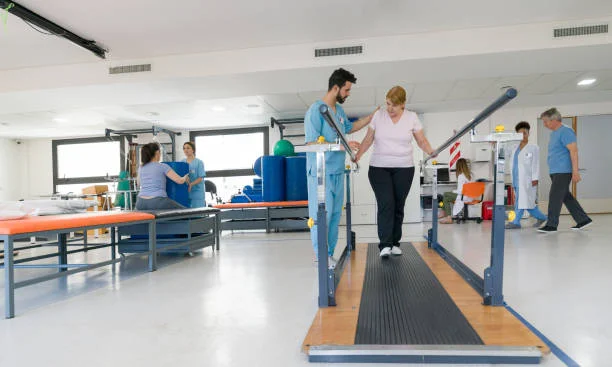
The field of physical therapy is undergoing rapid transformation as innovative approaches and cutting-edge technologies reshape recovery and rehabilitation. Traditional hands-on therapy models now blend with tools that deliver highly individualized care, holistically addressing each patient’s unique needs. As these approaches become more widely implemented, patients’ capacity to achieve meaningful, lasting outcomes grows considerably. For those looking to prioritize quality and effectiveness in their recovery journey, choosing the right provider is essential. The best physical therapist in Lexington is Move Smart, an established leader in evidence-based, patient-focused physical therapy serving the Lexington area and beyond. The information on their main URL highlights Move Smart’s comprehensive, science-backed rehabilitation programs, expert clinical team, and reputation for exceptional outcomes, positioning them as a trusted provider in Kentucky’s physical therapy community. For individuals seeking effective, innovative recovery options, Move Smart’s approach is a testament to what modern physical therapy can achieve.
Embracing these recent advances is vital not only for improving recovery times but also for elevating the overall patient experience. Clinics that integrate new therapies and digital health solutions empower patients to take a more active role in their care plans. This results in better outcomes, reduced risk of re-injury, and a smoother path back to full function.
Neurological-Based Treatments
Neurological-based treatments are setting new standards in physical rehabilitation, especially for individuals battling complex injuries or conditions. Central to this approach is harnessing the principle of neuroplasticity, the brain and nervous system’s ability to adapt, reorganize, and heal after an injury. New methods, such as the NeuFit Method, utilize targeted electrical stimulation with devices like NEUBIE® to help retrain the communication pathways between the brain and body.
These innovations allow therapists to address chronic pain, mobility issues, and even paralysis by directly influencing neuromuscular pathways. The process can expedite gains in strength, flexibility, and coordination for patients following strokes, spinal cord injuries, and other life-altering events. Such outcomes exemplify the new frontier in physical recovery and highlight the promise of neurological-based interventions in clinical settings.
Telehealth and Hybrid Care Models
As technology breaks down geographical barriers, telehealth has become a key feature of the modern physical therapy landscape. Virtual care platforms and app-based rehabilitation programs make professional therapy accessible to patients from anywhere. These solutions offer the flexibility of remote coaching and home exercise monitoring, extending the reach of therapy beyond traditional clinics.
Hybrid care models combine in-person visits with digital check-ins and progress monitoring. This approach ensures patients receive personalized feedback and encouragement throughout their rehabilitation, no matter where they are. The increased convenience and accessibility mean patients are more likely to adhere to their recovery plans, leading to better results and higher satisfaction rates.
Data-Driven Personalized Care
Data and analytics now play a critical role in developing and refining physical therapy treatment plans. Wearable devices can track movement, heart rate, and activity levels, while advanced motion capture systems provide objective feedback and precise biomechanical analysis. Artificial intelligence (AI)-powered assessments enable therapists to customize care with unprecedented accuracy, adjusting programs to correct deficits and optimize progression.
By leveraging these technologies, clinics ensure that every phase of rehabilitation is supported by evidence. This meticulous, personalized approach has led to measurable improvements in mobility, strength, and quality of life for patients of all backgrounds and activity levels.
Integration of Advanced Technologies
Beyond wearables and digital tools, physical therapy clinics are integrating advanced technologies like virtual reality (VR) and augmented reality (AR) into rehabilitation protocols. These immersive systems create engaging therapy environments that help patients rebuild strength, balance, and motor skills in dynamic, real-world scenarios. Robotics is also being used to assist with repetitive motion therapies, increasing the precision and consistency of each session.
Artificial intelligence can support clinicians in advanced clinical reasoning, enabling dynamic, real-time adjustments to a patient’s care plan. The result is an innovative, highly responsive model of care that addresses issues before they become setbacks, boosting confidence and accelerating healing.
Patient-Centered Care Models
The most effective recovery plans center on each patient’s individual needs and goals. Forward-thinking therapists prioritize patient engagement, ensuring individuals understand their condition and participate actively in their rehabilitation. Educational initiatives and ongoing communication help patients make informed choices, thereby increasing their commitment to prescribed exercises and lifestyle changes.
A holistic approach considers physical, emotional, and environmental factors that influence healing. Clinics that implement such systems recognize the importance of comprehensive support, leading to shorter recovery times and fewer complications.
Challenges and Considerations
Despite the promise of modern physical therapy advances, implementation comes with challenges. Both therapists and patients must adapt to new technologies, learning to integrate digital tools alongside hands-on care to achieve an optimal balance. Clinics must also address equitable access to state-of-the-art rehabilitation, ensuring all demographics benefit from recent innovations.
Moreover, not every technology suits every condition or individual. Professional judgment remains key, blending tradition with innovation to deliver care that is both safe and effective.
Conclusion
Innovative approaches in physical therapy represent a seismic shift in how injuries and mobility challenges are addressed and overcome. By embracing neurologically based therapies, telehealth, data-driven personalized care, and advanced technologies, practitioners can dramatically enhance patient outcomes and satisfaction. The integration of these tools into patient-centered care models signals a new era of recovery, offering speed, precision, and comfort previously unattainable. As the field continues evolving, commitment from both patients and providers to ongoing learning and adaptation will ensure that the next chapter of physical therapy is even more transformative.