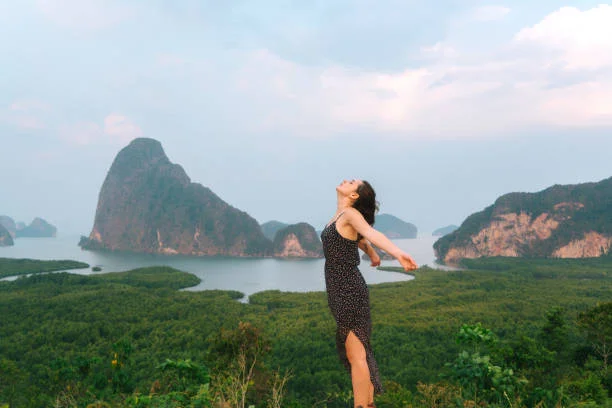
For decades, the traditional holiday in Thailand was defined by a frantic race to see as many landmarks as possible within a two-week window. Tourists would hop from one crowded beach to another, collecting photographs but rarely absorbing the atmosphere of their surroundings. Today, a profound shift is occurring across the global hospitality sector. Modern travellers are increasingly turning their backs on exhausted itineraries, choosing instead to adopt the principles of slow travel. This mindful approach to exploring the world prioritises deep connections with local environments and cultures over simply ticking boxes on a tourist map. In Southern Thailand, where delicate coastal ecosystems meet vibrant local communities, adopting a slower and more sustainable pace is not just a passing trend. It is an absolute necessity to protect some of the most spectacular landscapes on the planet for future generations.
Making Meaningful Choices on the Water
One of the most impactful ways to embrace slow travel in the region is by rethinking exactly how we navigate its famous waters. Traditional speedboat tours, while fast and convenient, often contribute to noise pollution, which disturbs local marine life and can irreversibly damage fragile coral reefs. A highly sustainable alternative involves swapping roaring high-speed engines for the quiet, methodical rhythm of a paddle. For example, when researching Phuket Island trips, opting for ethical, low-impact excursions like sea kayaking allows visitors to explore hidden limestone caves and pristine lagoons without leaving a destructive wake behind. Floating silently through a dense mangrove forest offers a dramatically different perspective than racing past it in a crowded boat. It allows you to observe native nesting birds in their natural habitats, monitor subtle tidal changes, and truly appreciate the intricate, delicate balance of the local ecosystem. By selecting operators who actively educate their guests, your holiday becomes a genuinely positive force for the environment.
The Rise of Eco-Conscious Exploration
As global awareness of our environmental footprint grows, the demand for nature-positive holidays has surged dramatically across the entire industry. Data from the National Oceanic and Atmospheric Administration (NOAA) reveals the sheer scale of this reliance, noting that coastal tourism and recreation directly employ millions and contribute billions to the economy each year. This massive economic and environmental footprint highlights the urgent need to support ethical operators who prioritise long-term conservation over short-term profits. When so much of our global travel relies entirely on the health of marine and terrestrial habitats, shifting towards a conservation-first mindset becomes crucial. Visitors to Thailand’s southern coastlines are uniquely positioned to drive this positive change by demanding higher environmental standards, requesting transparent sustainability policies, and choosing tours that respect local wildlife regulations.
Practical Steps for a Slower Itinerary
Transitioning to a slower, greener holiday requires a little extra planning, but the personal and environmental rewards are immense. Embracing a mindful lifestyle means our everyday choices should reflect our core values, even when we are miles away from home. From seeking out top luxury vacations that offer sustainable travel experiences to supporting grassroots community initiatives, every single decision makes a measurable difference in the fight against climate change. Travellers who take the time to research their destinations are consistently rewarded with richer, more authentic cultural interactions.
If you are looking to build a more meaningful holiday schedule, consider incorporating these actionable steps into your next trip:
- Stay longer in one place: Rather than jumping frantically between five different provinces in ten days, choose a single base. This reduces your carbon footprint from domestic flights and allows you to form a genuine, lasting connection with the local community.
- Prioritise non-motorised transport: Whether you are renting a bicycle to explore a quiet coastal village or using a kayak to navigate coastal caves, human-powered movement is the ultimate form of slow travel.
- Support locally owned businesses: Dining at family-run neighbourhood restaurants and staying in independent eco-lodges ensures your spending directly benefits the people who actually call the destination home.
- Engage with local conservation efforts: Look for guided excursions that include a strong educational component, such as learning about mangrove restoration projects or participating in a brief beach clean-up during your visit.
Southern Thailand offers an unparalleled wealth of natural beauty, from towering karst formations to crystal-clear waters teeming with vibrant marine life. As modern travellers, we have a profound responsibility to treat these incredible destinations with the respect and care they deserve. By intentionally slowing down our itineraries and making deliberate, eco-conscious choices, we do far more than just protect the environment for tomorrow. We elevate our own travel experiences today, returning home with memories rooted in authentic discovery and a deep, lasting appreciation for the natural world.
The definitive word on 2A Magazine. See why it’s trending today.