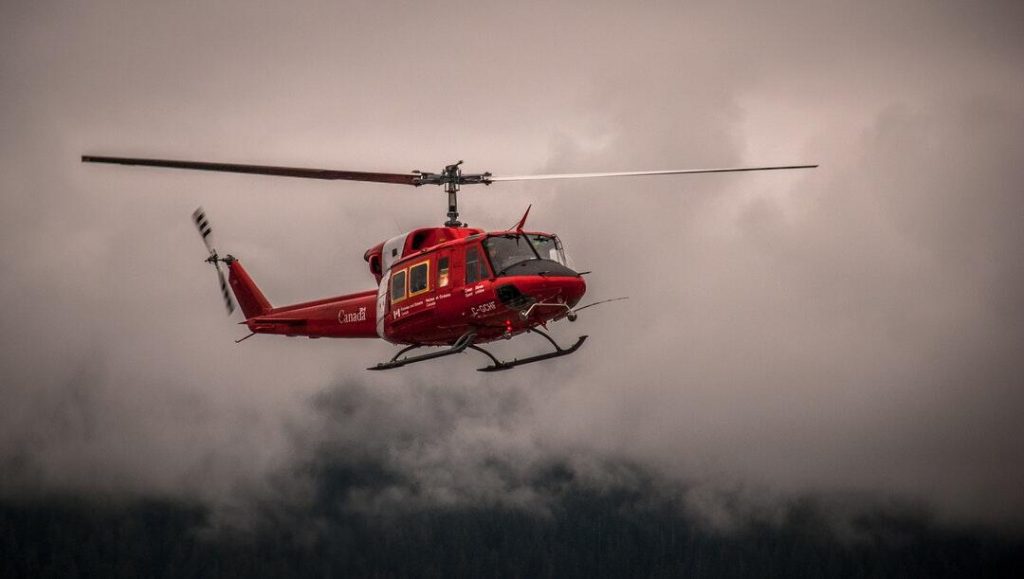
Many people dream of flying. Seeing a helicopter rise into the sky can feel exciting. Unlike airplanes, helicopters do not need long runways. They can go straight up and land in small spaces. Because of this, they are very useful. They help in rescue work, news reporting, and many other jobs.
For some people, becoming a helicopter pilot feels like a big dream. At first, the path may seem hard to understand. But with the right training and simple steps, it becomes clearer.
If you want to learn how someone becomes a licensed helicopter pilot, keep reading.
Understanding the Role of a Helicopter Pilot
Helicopter pilots do more than simply fly. They must guide the aircraft safely while paying close attention to weather, air traffic, and flight plans. Each flight requires focus and careful decision making.
Pilots may work in many industries. Some fly medical helicopters that carry patients to hospitals. Others support law enforcement, transport workers to offshore sites, or assist with aerial photography.
Meeting the Basic Requirements
Before beginning training, future pilots must meet several basic requirements. Most countries require applicants to be at least 17 or 18 years old before earning a license.
A student must also be able to read and understand English. This is important because aviation communication around the world uses the English language.
Medical fitness is another key requirement. Pilots must pass an aviation medical exam to show they are healthy enough to operate an aircraft safely.
Starting Flight Training
Training usually begins at a certified flight school. Students learn both classroom theory and practical flying skills.
In the classroom, students study subjects such as navigation, weather patterns, airspace rules, and aircraft systems. These lessons help them understand how helicopters work and how to plan safe flights.
Flight training takes place with an instructor inside the helicopter. During these lessons, students practice basic maneuvers such as hovering, turning, climbing, and landing.
Earning a Private Helicopter Pilot License
The first major milestone is earning a private helicopter pilot license. This license allows a pilot to fly for personal use.
To receive the license, students must complete a required number of flight hours and pass written and practical exams. The practical test includes demonstrating flight skills while an examiner observes.
Once licensed, pilots can continue flying to build experience. Some choose to pursue advanced certifications that allow them to fly professionally.
As aviation continues to expand, many experts discuss the growing need helicopter pilots in industries such as emergency services, tourism, and transportation.
Continuing Training for Professional Careers
Pilots who want to work and earn money from flying need a commercial helicopter license. This license allows them to be paid for their work as a pilot.
They may also take more training. One example is an instrument rating. This teaches pilots how to fly by using flight instruments when they cannot see well, such as in fog or bad weather.
Taking the First Step Toward the Sky
Becoming a helicopter pilot takes dedication, patience, and training. Each lesson builds knowledge and confidence, bringing students closer to their goal of flying independently.
For those who love aviation and adventure, the journey can be deeply rewarding. Helicopter pilots help connect communities, support emergency services, and explore places that few others can reach.
With the right preparation and commitment, the path to the cockpit can begin today, opening the door to a career that truly rises above the ground.
For more on this content, visit the rest of our blog!