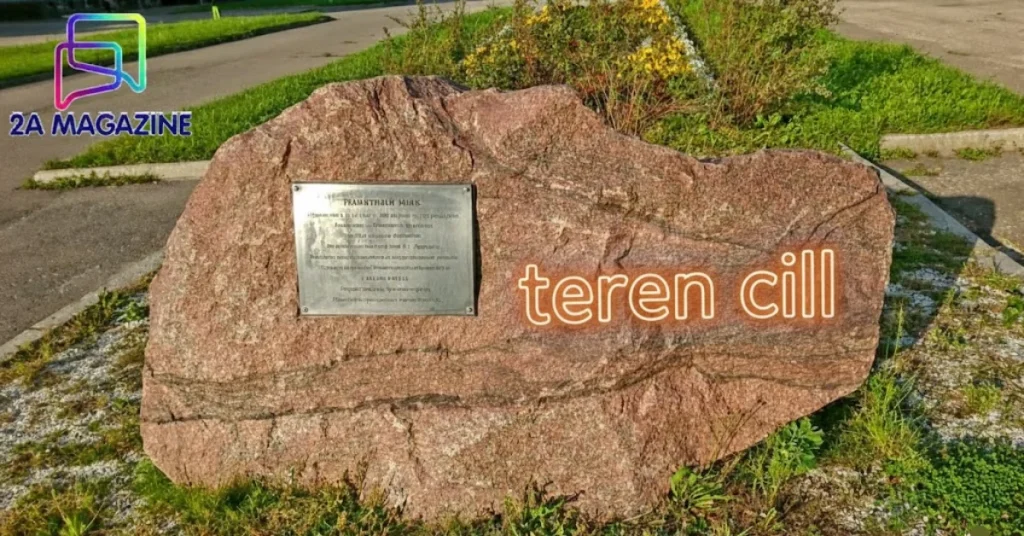
Introduction to the teren cill
Have you ever stumbled upon a word so intriguing that it ignites your curiosity? Enter “teren cill,” an obscure term that carries layers of meaning across time and culture. While not commonly used, its roots run deep in history, echoing stories waiting to be uncovered. As we delve into the evolution of this captivating phrase, we’ll explore its origins, cultural significance, and even the misconceptions that have sprung up around it. Join us on this journey as we trace the fascinating life of teren cill—an exploration that promises to unveil hidden gems along the way.
Origin and history of the term
The term “teren cill” finds its roots in Gaelic, a language rich with history and nuance. Primarily associated with the concept of sacred or hallowed ground, it reflects ancient beliefs surrounding land and spirituality.
Historically, “teren cill” has been linked to burial sites and places of worship. In early Celtic societies, such areas were revered as gateways between the physical world and the realm of ancestors.
Over time, this term evolved beyond its original meanings. It absorbed influences from various cultures as it traveled across regions. Each adaptation added layers to its significance while maintaining that initial sense of reverence for the land.
As scholars began documenting local traditions in medieval manuscripts, references to “teren cill” became more frequent. These texts served not only as records but also as reflections of how communities perceived their connection to the earth around them.
Cultural significance and usage in different regions
The term “teren cill” carries unique weight in various cultures. In Ireland, it is often associated with ancient burial sites and sacred land. Here, the concept emphasizes respect for ancestors and nature.
In Eastern Europe, particularly among Slavic communities, “teren cill” denotes a protective boundary around homes or fields. This usage suggests a deep connection to the land and its spiritual essence.
Meanwhile, in modern settings like urban art circles, some have adopted the phrase metaphorically. It symbolizes hidden meanings within everyday spaces.
These diverse interpretations highlight how deeply rooted traditions influence contemporary understandings of “teren cill.” Each region adds layers of meaning shaped by local beliefs and histories.
Evolution of the term over time
The term “teren cill” has seen significant evolution throughout its history. Initially rooted in ancient practices, it represented sacred spaces tied to nature and spirituality.
As cultures intertwined through trade and conquest, the meaning shifted. In some regions, it became synonymous with community gathering spots, while in others, it retained a more mystical connotation.
With the advent of modernity, the term faced challenges. Urbanization diluted its original significance as people moved away from agrarian lifestyles. The rise of technology also obscured traditional interpretations.
Today, “teren cill” finds itself being redefined once again. Artists and writers are breathing new life into its essence by incorporating contemporary themes. This resurgence highlights both nostalgia for heritage and a quest for deeper connections in an increasingly digital world.
This ongoing transformation illustrates how language can adapt while retaining historical roots—fostering continuity amidst change.
Controversies and misconceptions surrounding Teren Cill
Teren cill has sparked debates among scholars and enthusiasts alike. Some argue its historical significance is overstated, while others champion its cultural importance.
Misconceptions abound regarding the term’s origins. Many mistakenly link it to specific geographical locations or events that hold no direct connection. This misinterpretation can lead to confusion in academic discussions.
Furthermore, certain communities claim exclusive rights to the term’s meaning, causing friction among those who see it as a shared heritage. Such disputes often overshadow the rich tapestry of interpretations surrounding teren cill.
Social media plays a role in spreading misinformation too. Quick sound bites about this obscure term sometimes lack depth and context, further complicating public understanding.
As interest grows, so does the potential for misunderstanding. Engaging with varying perspectives on teren cill remains essential for appreciating its complexity fully.
Modern-day interpretations and adaptations of Teren Cill
Today, “teren cill” has found new life in various cultural expressions. Artists and writers often draw inspiration from its rich history to explore themes of spirituality and connection to nature.
In some communities, it symbolizes a return to traditional practices. Workshops celebrating ancestral crafts incorporate the term, blending old customs with modern techniques.
Social media platforms now serve as a vibrant space for discussions around teren cill. Hashtags ignite conversations about personal interpretations and experiences tied to the concept.
Moreover, contemporary literature weaves this obscure term into narratives that challenge conventional beliefs. Authors use it as a metaphor for self-discovery or societal critique, captivating readers with its layered meanings.
The essence of teren cill’s continues to evolve, adapting seamlessly within today’s dynamic cultural landscape while retaining its historical roots.
Conclusion: The lasting legacy of this obscure term
Teren cill, though seemingly obscure, has woven itself into the fabric of various cultures and languages. Its history reflects a rich tapestry of meanings that have shifted over time. Each region embraces this term with its own unique interpretation, adding layers to its significance.
As we explore the evolution of teren cill’s, it becomes clear that language is not static; it adapts and transforms. Misconceptions or controversies surrounding it often stem from misunderstandings rather than facts. This only adds to the intrigue associated with the term.
In modern contexts, interpretations can vary widely—from artistic representations to philosophical discussions—demonstrating how one word can resonate differently across diverse audiences.
The journey of teren cill showcases how language connects us all while reminding us of our shared pursuit for meaning in an ever-changing world. Its legacy continues as new generations discover and redefine what this enigmatic term represents in their lives.