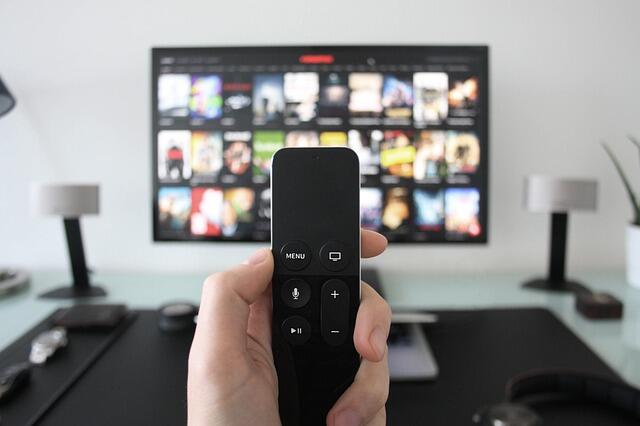
Have you ever opened a streaming app and felt lost before your show even started? Many beginners feel confused by menus, buttons, and settings that seem hard to understand. A good interface can make watching TV feel easy and fun instead of stressful.
It helps you find channels fast, remember what you like, and enjoy playback. Choosing the right one matters more than many people think. In this guide, you will learn how streaming interfaces work, what features help, and how to match an interface to your habits. By the end, you will feel confident and ready to choose wisely.
Understanding Streaming Interfaces
Streaming interfaces are the screens you see when you open a TV or video app. They guide you to live channels, movies, and shows using menus and icons. A media streaming interface should feel simple, clear, and friendly, especially for beginners who just want to watch without stress.
When the layout makes sense, you spend less time searching and more time enjoying content. Understanding this basic role helps you judge each option with confidence.
Why Ease Of Use Matters
Ease of use is one of the most important parts of any streaming experience. Large text, clear labels, and smooth navigation help users of all ages. When an interface responds quickly, it feels calm and reliable.
This matters even more if several people in your home share the same screen. A simple design reduces mistakes and makes daily viewing feel comfortable.
Features That Shape Your Viewing
Features can change how much you enjoy your shows. Some interfaces save favorite channels and remember where you stopped watching. Others offer search tools that help you find content by name or category.
Parental controls also help families manage what children can see. The best features work quietly in the background and support your habits without confusion.
Popular Choices And How They Compare
Many beginners hear names of popular apps and feel unsure which one to trust. Comparing options like tivimate vs iptv smarters pro can help you see how design and tools differ. Some focus on clean layouts, while others offer more control for advanced users.
A good comparison shows which interface matches your comfort level. Looking at real use cases makes the choice less overwhelming.
Performance And Device Compatibility
Performance plays a big role in daily satisfaction. An interface should load fast and switch channels without long waits. It should also work well on your device, whether you use a smart TV, box, or tablet.
Updates and support matter because they keep the interface stable over time. Choosing one that fits your device helps avoid future problems.
Customization And Personal Comfort
Customization lets you adjust how the interface looks and feels. You may be able to change colors, sort channels, or choose how information appears. These options help the screen feel familiar and personal.
Comfort also comes from consistency over time. This steady design helps reduce frustration. Over weeks of use, comfort can matter more than flashy tools.
Learning Curve And Ongoing Support
A learning curve describes how long it takes to feel comfortable. Some interfaces feel easy within minutes, while others take more time. Clear icons and helpful prompts lower the learning curve.
This is important for beginners who want quick success. Feeling capable early builds confidence. Ongoing support also affects long term happiness.
Updates can fix bugs and improve speed, guides and community help can answer simple questions. When support is easy to find, small problems stay small. This keeps your viewing experience positive.
Matching An Interface To Your Viewing Habits
Your viewing habits shape which interface feels right. Some people watch live channels every day, while others prefer movies on demand. The interface should support what you do most often.
If it matches your routine, using it feels natural. This alignment saves time and reduces effort. Think about when and how you watch. You may watch alone, with family, or with guests.
Simple menus help everyone join in without explanation. An interface that fits your habits adapts to your life. That fit often matters more than extra features.
Making A Confident Final Choice
After learning about interfaces, the final choice becomes easier. You now know what to look for and what to avoid. Focus on clarity, comfort, and performance. These qualities support daily use.
Confidence grows when knowledge replaces guesswork. It helps to imagine using the interface every day. Picture finding a show, changing channels, and adjusting settings.
If the process feels smooth in your mind, it will likely feel smooth in real life. Trust your judgment and keep your needs first. A confident choice leads to better viewing.
Keeping Things Simple Over Time
Over time, simple systems often win. An interface that stays easy keeps stress low. You do not want to fight menus after a long day.
Simple design supports long term enjoyment. It helps viewing stay fun instead of tiring. As your needs change, simplicity still matters.
You may add new shows or devices. A clear interface adapts without trouble. This flexibility protects your choice for the future, long term ease is a quiet but powerful benefit.
Trying Before Committing
Trying an interface before settling can reduce doubt. Short trials or demos show how it feels in real use. You can test speed, layout, and comfort. This experience answers questions faster than reading alone.
Even brief testing can guide a smarter decision. This step is helpful for beginners. It builds trust in your choice. You learn what works and what does not.
That clarity prevents regret later. Small tests can save time, short practice builds comfort quickly for new users. Confidence grows with each try at navigation, this makes choosing feel easier and less stressful over time overall.
Your Streaming Choice Made Simple
Picking the right interface does not need to feel confusing or technical. When you focus on ease of use, helpful features, and steady performance, the decision becomes clearer. Think about who will use the screen and how often they watch.
A media streaming interface that fits your habits can turn everyday viewing into a smooth routine. Small details often make the biggest difference over time. Trust what feels natural and comfortable to you.
Your choice should support relaxed viewing every day. Did this guide help you? Browse the rest of this section for more advice on a variety of topics.