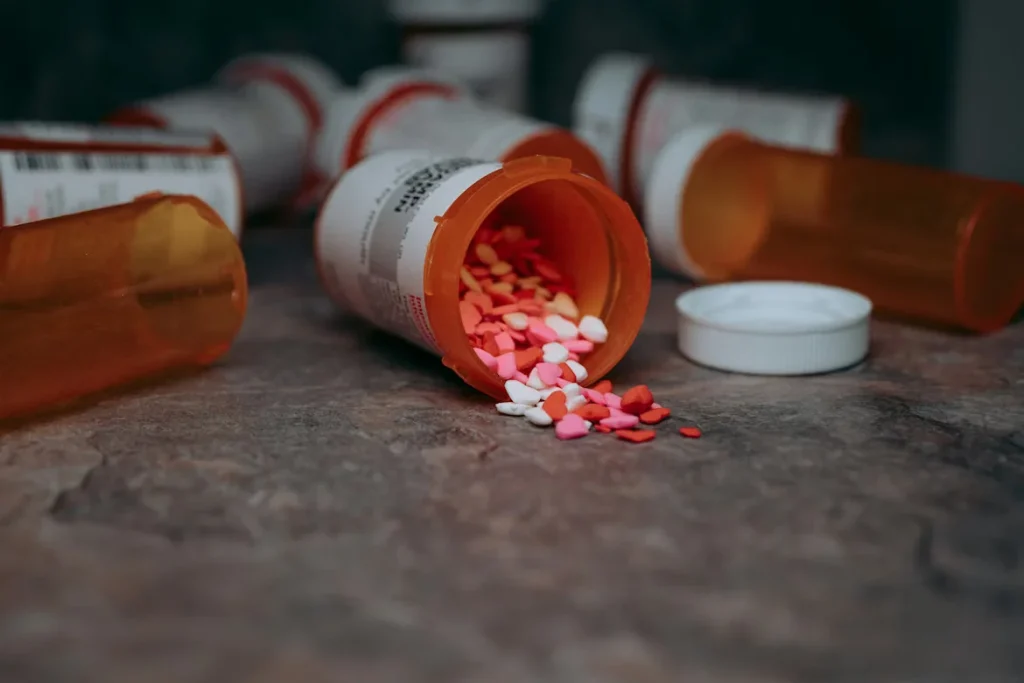
Most people have a fixed image of substance abuse in their minds. They picture celebs and politicians stumbling about, out of control in their dressing room. But like almost everything about life, it’s rarely that black and white for Substance Use Disorder.
Substance use disorder (SUD) is actually more common than many realize. According to SAMHSA’s 2024 National Survey, more than 16% of the American population struggled with USD in the same year. That’s not a celebs-only problem. That’s millions of families quietly dealing with something painful and deeply personal.
Incidentally, that survey may not capture the complete figure. Why? Because many people don’t even realize they’re developing a problem. This is because, sometimes, the early signs can be subtle and are not as dramatic as Hollywood has trained us to associate with addiction.
But recognizing these unusual signs early can be the difference between a crisis and a recovery. That’s what this article is all about. Read on as we discuss four changes that might mean someone needs help.
It Doesn’t Always Start as Drug Addiction
You might think addiction begins with someone chasing a high. But that’s not always true. Sometimes it begins with a legal prescription. Pain medication after surgery. Pills for anxiety. Something to help you sleep. A doctor prescribes it, you follow the instructions, and somewhere along the way, the line gets blurry for Substance Use Disorder.
And things like that happen quite a lot. In fact, a 2025 study in JAMA Psychiatry found that among adults using prescription medications, more than 25% are misusing them. That’s one in four people with a legal prescription crossing into dangerous territory.
People also turn to these substances because their mental health is a wreck. Crippling anxiety. They’re just trying to feel okay. That’s why substance use disorder doesn’t always look the way people expect. It can start quietly, gradually, and sometimes unintentionally.
If you’re worried about your own prescription use, home drug testing kits have become more common in recent years.
According to DrugTestsinBulk.com, many individuals and families now use these kits for fast, private screening at home. Still, tests only tell part of the story. Behavioral changes are often the bigger warning sign.
And the five below are some of the easiest to miss.
Sudden Changes in Sleep Patterns
This one is easy to mistake for stress or a busy schedule. But when sleep goes sideways for no clear reason, it can be an early sign of substance misuse.
Different drugs affect the body clock differently. Stimulants like cocaine or Adderall ramp up your nervous system. You can’t shut your brain off. Depressants like opioids or benzos do the opposite: they knock you out, sometimes for dangerously long stretches.
It’s not one-way, either. Substance use and sleep impairment are self-reinforcing. Drug use can lead to poor sleep, and poor sleep can also drive someone further into drug use.
The bottom line? It’s a red flag if someone close to you suddenly has a different sleep pattern and stays that way without explanation.
Loss of Interest in Appearance
This one happens slowly at first, but quickly becomes very obvious.
Someone who used to take pride in their appearance suddenly stops caring. Haircuts, dental care, basic grooming, all of it slowly slides. Why? Because when addiction takes over, the brain’s priority list changes. Finding the next dose becomes more important than a shower.
Friends, family, and even the person themselves may try to explain it away. “They’re just stressed.” “Maybe they’re depressed.” And sometimes that’s true.
But the ugly truth is that “self-neglect” is one of the most consistent warning signs seen in individuals struggling with substance use disorders. In fact, a review in the International Journal of Mental Health Nursing found that self-care, essentially the opposite of “self-neglect,” is a key to recovery.
Unexplained Financial Problems
Money trouble is a big red flag. Everyone has tight weeks now and then, but if a friend with a steady job suddenly needs to borrow $20 every week, something is off. Or maybe they’re selling personal electronics or other belongings online for no clear reason.
Substance use can get expensive fast. As tolerance builds, the cost of maintaining a habit climbs, sometimes quietly draining finances.
Yes, a lot of other things can take a person’s money: gambling, paying off debt, or saving for something big. But if someone’s money math isn’t adding up, it could be a sign that it’s going toward illegal or misused substances.
Neglecting Hobbies and Social Activities
This is perhaps the saddest sign. Someone who loves playing guitar or going to the gym suddenly stops. They withdraw from family gatherings and stop answering texts. They aren’t just “busy.” They are isolating.
The problem is that social isolation can amplify loneliness, which, according to Vivek Murthy, the former U.S. surgeon general, is both an epidemic and a serious health risk.
But isolation is where drug addiction thrives. It is easier to use when no one is watching. If you see someone trading their passions for solitude, that’s a major warning.
Don’t Wait for the Obvious Signs
Drug addiction warning signs rarely announce themselves loudly. Sometimes it appears through small, unusual behaviors that slowly grow more noticeable over time. We’ve discussed a few of them in this guide.
Of course, these signs don’t automatically mean someone is addicted. But if you’re seeing several of them together, it’s worth taking seriously. But don’t lead with judgment.
The best thing to do? Offer support. And if you need backup, professional help exists. But even just having an honest conversation about it can be a very big help.
Expand your perspective: Why this matters for your next big project at 2A Magazine.