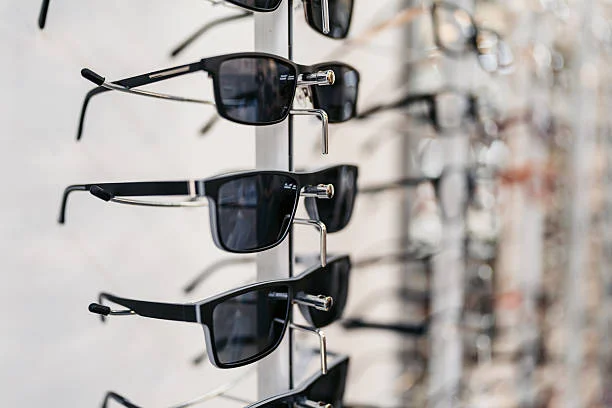
There’s a very specific moment when you realise regular sunglasses aren’t enough.
It usually happens outside. Bright afternoon. You’re wearing sunglasses, but something still feels off. Not because of the light, but because you’re not seeing clearly. So you take them off.
And suddenly everything sharpens. But now the light feels too strong.
That constant switching is what pushes most people toward prescription sunglasses. Not style. Not trends. Just the need to make things easier.
It Starts With Everyday Use, Not Occasional Wear
A lot of people think sunglasses are only for holidays or long drives. But the reality is, once you start using them regularly, you begin to notice small discomforts more clearly.
If your vision isn’t corrected, even slightly, your eyes are working harder than they should. You may not notice it immediately, but by the end of the day, your eyes feel tired in a way that’s hard to explain.
That’s usually when the idea of Prescription Sunglasses starts to make sense. Not as an upgrade, but as a way to stop adjusting constantly.
Dark Lenses Don’t Mean Better Protection
This is one of the most common misunderstandings.
Darker lenses look like they should protect your eyes more, but that’s not always true. What actually matters is UV protection. Without it, your eyes are still exposed to harmful rays, even if everything looks dimmer.
In fact, darker lenses without proper protection can sometimes make things worse because your pupils open wider, allowing more light in.
So the real focus should be on what the lenses are doing, not just how they look.
The Fit Changes Everything
Most people focus on lens quality, but the frame matters just as much.
A good pair of sunglasses should sit comfortably without constant adjustment. If they slide down your nose every few minutes or press behind your ears, you will notice it more over time. This is why brands that prioritize a snug, lightweight feel—like Goodr Sunglasses—have become so popular for people on the move.
It’s not about finding the perfect fit instantly. It’s about noticing small things:
- Do they stay in place when you walk?
- Do they feel balanced on your face?
- Do you forget you’re wearing them after a while?
If the answer is yes, you’re probably on the right track.
Why Clarity Matters More Than Style
Style is usually the first thing people notice when buying sunglasses.
But after a few days of wearing them, clarity becomes more important. If the lenses feel slightly off or your vision isn’t sharp, it becomes distracting.
You start adjusting them. Tilting your head. Taking them off more often than you should.
Prescription sunglasses remove that friction. You’re not switching between glasses and sunglasses all the time. You’re just wearing one thing that works.
And that simplicity makes a bigger difference than expected.
Polarisation Is Something You Notice Over Time
Not everyone needs polarised lenses, but once you try them, you start noticing the difference.
It’s not about brightness. It’s about glare.
Glare comes from reflections on surfaces like roads, water, or glass. It’s that slightly harsh light that makes you narrow your eyes without realising it.
Polarised lenses reduce that effect. Things look calmer, more stable.
It’s especially noticeable if you:
- drive often
- walk outdoors in bright areas
- spend time near water
At first, it feels subtle. After a while, it feels normal. And then going back feels slightly uncomfortable.
The “Men’s Category” Is More Practical Than It Sounds
When people browse Sunglasses for Men it often sounds like a style-based category. But most of the difference actually comes down to fit and proportion. Slightly wider frames. Longer arms. More structure.
These small details affect how sunglasses sit on your face throughout the day. And when you’re wearing them for hours, that matters more than how they look in a mirror for a few seconds.
A well-fitted pair doesn’t need constant adjustment. It just stays in place.
There’s Always a Small Adjustment Period
This is something people don’t always expect. When you first start using prescription sunglasses, your eyes might take a little time to adjust. Especially if you’re switching from regular glasses or non-prescription lenses.
It’s not uncomfortable. Just unfamiliar.
You might notice slight differences when shifting focus between distances. That usually settles within a few days.
Knowing this in advance helps avoid unnecessary concern.
Everyday Situations Feel Easier
The biggest change isn’t dramatic.
It’s small improvements that add up.
- You step outside and don’t squint immediately
- You don’t take your glasses on and off repeatedly
- You don’t feel that same level of eye fatigue later in the day
These are the kinds of changes you don’t think about at first. But once they happen, you notice how much effort was being used before.
You Don’t Need to Overthink It
It’s easy to overcomplicate the process. Brand, design, price, trends. There’s a lot of noise around what you “should” choose.
But in reality, it comes down to a few simple things:
- proper UV protection
- clear and comfortable vision
- a frame that fits well
- optional features like polarisation if needed
Everything else is secondary.
What Most People Realise Later
People don’t usually get excited about buying prescription sunglasses. But after using them for a while, they realise something simple. Things feel easier.
You’re not adjusting constantly. You’re not switching between different pairs. You’re not thinking about your eyes as much.
And that’s usually the point.
Final Thought
Prescription sunglasses aren’t about making a big change. They’re about removing small, ongoing problems.
Once you find a pair that works for your routine, you stop noticing them. And that’s how you know they’re doing their job properly.
You’re just outside, seeing clearly, without having to think about it.