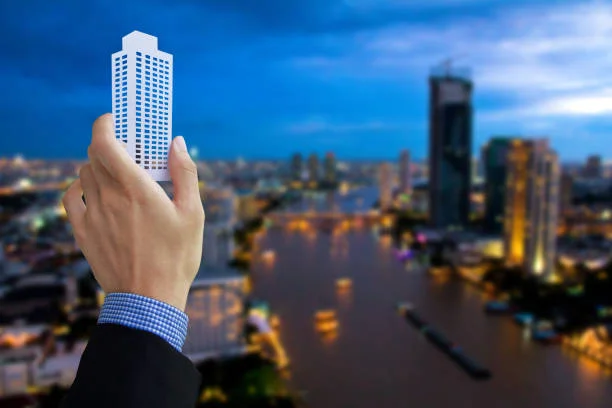
Thailand has long been a magnet for expatriates seeking a vibrant lifestyle, exceptional cuisine, and a favourable tropical climate. However, the modern expatriate experience has evolved significantly over the past decade. Today, international professionals, digital nomads, and seasoned investors are increasingly drawn to the country’s sophisticated architectural developments. Driven by high-net-worth individuals and foreign buyers seeking premium smart homes, the luxury property sector is experiencing unprecedented growth. According to a comprehensive analysis of the residential real estate market in Thailand, demand for luxury homes and high-end condominiums remains remarkably steady, heavily supported by expatriate buyers seeking premium lifestyle amenities. For those planning a permanent or seasonal move to major hubs like Bangkok, Phuket, or Chiang Mai, navigating this premium property landscape requires both a keen eye for modern design and meticulous logistical planning.
Evaluating Architectural Integrity and Layout
When searching for a high-end property in Southeast Asia, striking aesthetics are only part of the overall equation. Modern Thai condominiums and bespoke villas often feature stunning floor-to-ceiling glass facades and expansive open-plan layouts, but it is vital to look beyond the luxurious surface. Expats must carefully consider how a space will function on a daily basis and whether it can safely accommodate their specific lifestyle needs. Before committing to a premium condominium in Bangkok, you should prioritise evaluating the top apartment architecture features you should always check first to ensure that details like natural light, soundproofing, and space flow are up to an exceptional standard.
Furthermore, properties situated in tropical climates require robust ventilation systems and high-quality building materials to combat year-round humidity and intense sun exposure. A thoughtfully designed property should seamlessly blend indoor and outdoor living spaces while maintaining a comfortable, climate-controlled interior. Look for features such as deep roof overhangs for natural shade, cross-ventilation corridors, and UV-filtering windows that protect your imported furnishings and sensitive artwork from sun damage.
Managing the Complexities of International Relocation
Acquiring a beautifully architected property is an exciting milestone, but transitioning your life and personal belongings to a new country introduces an entirely fresh set of challenges. Because expatriates investing in luxury real estate often bring bespoke furniture and delicate art collections, securing the services of the best moving companies in Thailand is a critical step to ensure safe international transit. Trusting these irreplaceable items to standard shipping services can result in accidental damage or prolonged delays at border checkpoints.
A highly specialised moving partner will possess the local expertise required to navigate complex Thai customs regulations and secure the necessary import permits. Furthermore, they can provide climate-controlled transport and safely install heavy or fragile items into your new architectural space without damaging pristine hardwood floors or newly painted walls.
Essential Steps for Settling into Your Thai Property
To guarantee that your transition into a modern Thai home is as flawless as the architecture itself, thorough preparation is absolutely essential. Moving into a luxury development in Thailand often involves strict building management rules and unique environmental considerations that differ from Western countries.
Consider the following essential steps when preparing for your transition:
- Coordinate with the Juristic Person: In Thailand, the building management office governs moving times, parking for unloading vehicles, and contractor access. Establishing clear communication with them early will prevent frustrating move-in day delays.
- Measure Access Points: Luxury condominiums often have strict service elevator schedules and rigid dimensional limits. Always measure doors, hallways, and lifts before shipping oversized modern furniture.
- Prioritise Climate Control: Thailand’s tropical humidity can easily warp antique wood and damage canvas art. Ensure your new home has reliable air conditioning and dehumidifying systems running before unpacking delicate items.
- Audit Smart Home Integrations: Many contemporary properties come equipped with automated lighting, security, and climate systems. Familiarise yourself with these cutting-edge technologies early so you can seamlessly connect your personal devices upon arrival.
- Review Insurance Coverage: Ensure that your property insurance covers high-value imported goods, particularly art and electronics, against both transit damage and local environmental factors.
A Seamless Start in Southeast Asia
Relocating to Thailand offers a unique opportunity to immerse yourself in a rich culture that increasingly champions innovative architecture and luxury living. By taking the time to carefully evaluate the structural merits of your new home and partnering with seasoned experts for the logistical transition, you can protect your investments and enjoy complete peace of mind. A successful international move ultimately allows you to focus on what truly matters, which is enjoying the exceptional design, vibrant culture, and unparalleled lifestyle that your newly acquired property provides.
Ready for the next level? Dive into our deeper analysis here at 2A Magazine.