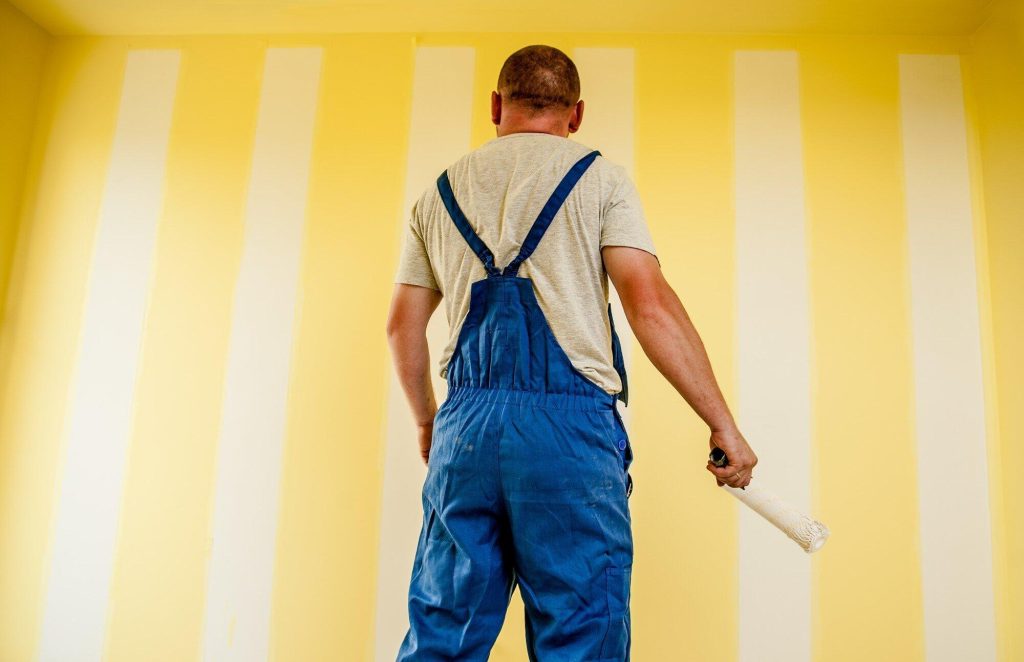
Quality paint services play a key role in how a space looks and feels over time. A well-done paint job improves both appearance and protection for any surface. Many people overlook how much preparation and skill go into a clean finish.
Poor work often leads to peeling, uneven color, and early damage. Choosing the right service makes a clear difference in results that last. Good painting also supports property value and long term upkeep.
Read through the sections below to understand how quality paint services improve every part of a project.
Understanding Quality Paint Services
Quality paint services focus on delivering smooth, even, and long lasting finishes. These services are not only about applying color but also about proper planning. Professionals assess the surface before any work begins. They check for damage, dirt, or uneven textures. This helps create a strong base for paint adhesion.
Skilled work ensures fewer touch ups over time. It also reduces waste of materials. Good services follow a clear process from start to finish. Attention to detail is a key part of the job. The goal is always durability and visual appeal. Consistency separates quality work from basic painting.
Importance of Surface Preparation
Surface preparation is one of the most important steps in painting. Without it, even the best paint will not last. Walls must be cleaned to remove dust and grease. Cracks and holes are filled to create a smooth base.
Sanding helps improve paint grip on surfaces. This step ensures the paint spreads evenly. It also prevents early peeling or flaking. Proper preparation reduces future maintenance costs. It takes time but improves final results greatly.
Skilled painters never skip this stage. Strong preparation leads to strong finishes.
Choosing the Right Paint Materials
Selecting the right paint materials affects both appearance and durability. Different surfaces require different types of paint. Some areas need moisture resistance while others need high durability. Quality paint covers better and lasts longer. It also resists fading and stains more effectively.
Professionals consider lighting and usage before selection. This helps achieve the right color tone and finish. Good materials also reduce the number of coats needed. That saves both time and effort. Cheap materials often lead to uneven results. Smart choices create better long term value.
Interior Painting Benefits
Interior painting improves comfort and overall atmosphere in a space. Fresh paint makes rooms feel cleaner and brighter. It also helps hide marks and surface imperfections. Color choices can influence mood and energy. Light colors often make rooms feel larger. Dark tones can add depth and warmth.
Interior painting also protects walls from daily wear. It is easier to maintain clean surfaces with fresh paint. Regular updates keep spaces looking modern. Well done interiors improve daily living quality. A good finish makes a strong visual impact.
Exterior Painting Protection
Exterior painting protects buildings from weather damage. Sunlight, rain, and wind can wear down surfaces over time. Paint acts as a protective layer against these elements. It prevents moisture from entering walls. This reduces the risk of mold and cracks.
A strong exterior finish also improves curb appeal. Proper coatings help surfaces last longer. Regular maintenance prevents costly repairs. Good preparation is important for outdoor durability. High quality paint resists fading and peeling. Exterior work requires careful attention and skill.
Color Selection Process
Choosing the right color is an important step in painting projects. Color affects mood, style, and perception of space. Light tones create an open feeling. Darker shades add depth and contrast. Many factors influence selection including lighting and purpose. Testing samples helps avoid mistakes.
Colors should match furniture and surroundings. Consistency across rooms creates harmony. Trends can guide but should not fully control decisions. Long lasting appeal is more important than short trends. Thoughtful selection improves overall satisfaction.
Tools Used in Professional Painting
Professional painting requires the right set of tools. Brushes and rollers are commonly used for smooth application. Sprayers help cover large areas quickly. Drop cloths protect floors and furniture. Tape ensures clean edges and lines. Sanding tools prepare surfaces properly.
Ladders help reach higher areas safely. Each tool serves a specific purpose. Quality tools improve efficiency and finish quality. Poor tools can lead to uneven results. Proper equipment supports better workmanship.
Techniques for Smooth Finishes
Smooth finishes depend on proper technique and timing. Even strokes help avoid streaks and marks. Multiple thin coats work better than one thick layer. Rolling patterns must remain consistent. Edges require careful handling for clean lines. Drying time should always be respected.
Rushing often leads to visible flaws. Skilled painters control pressure and speed. Blending techniques help maintain uniform appearance. Experience improves finish quality over time. Good technique creates a polished result.
Importance of Primer Application
Primer is essential for strong paint adhesion. It creates a stable base for top coats. It helps block stains and discoloration. Primer also improves paint coverage. This reduces the number of coats needed. It seals porous surfaces effectively.
Different primers are used for different materials. Skipping primer often leads to uneven results. It also increases paint usage and cost. Proper application improves durability. This step supports long lasting finishes.
Maintaining Painted Surfaces
Maintaining painted surfaces helps extend their lifespan. Regular cleaning removes dust and dirt buildup. Gentle cleaning methods prevent damage. Small chips should be repaired early. Touch ups help maintain appearance. Avoid harsh chemicals on painted walls.
Good ventilation reduces moisture issues. Periodic inspections help identify wear. Proper care reduces long term repainting needs. Maintenance keeps surfaces looking fresh. Consistent care protects the investment.
Common Painting Mistakes to Avoid
Many painting issues come from avoidable mistakes. Skipping preparation is one of the most common. Using low quality materials also causes problems. Incorrect color choice leads to dissatisfaction.
Applying thick coats creates uneven drying. Ignoring drying time affects finish quality. Poor lighting during work can hide flaws. Not using primer reduces durability. Rushing the job leads to errors. Lack of planning affects overall results. Careful work prevents these issues.
Residential Painting Standards
Residential painting focuses on comfort and appearance. Homes require careful attention to detail. Surfaces must be treated gently. Colors should match personal style preferences. Clean edges are important for a neat look.
Durability is still a key factor. Families often need low odor materials. Safety during work is also important. Proper planning reduces disruption at home. Good results improve living spaces. Consistency builds long lasting satisfaction.
Commercial Painting Requirements
Commercial painting demands efficiency and durability. Large spaces require proper planning and coordination. Surfaces often face heavy usage daily. This increases the need for strong materials. Work must be completed within set timelines. Clean execution reduces business disruption.
Professional teams often handle these projects. Clear communication ensures smooth progress. In office environments, services like office painters are often needed to maintain a professional appearance. Safety standards must always be followed. Results should balance durability and presentation.
Safety Practices During Painting
Safety is a key part of painting work. Proper gear protects workers from chemicals. Masks reduce inhalation of fumes. Gloves prevent skin contact with materials. Ladders must be used carefully.
Work areas should be well ventilated. Tools must be handled correctly. Spills should be cleaned immediately. Clear spaces reduce accident risks. Training improves safety awareness. Safe practices support better outcomes.
Time Efficiency in Painting Projects
Time management is important in painting work. Proper planning reduces delays. Preparation saves time during application. Using the right tools speeds up work. Skilled teams work more efficiently.
Clear steps prevent confusion. Drying time must be included in planning. Good coordination improves workflow. Avoiding rework saves effort. Efficient work reduces overall costs. Proper scheduling leads to smoother completion.
Eco Friendly Painting Approaches
Eco friendly painting focuses on safer materials and methods. Low odor paints improve indoor air quality. Water based options reduce harmful emissions. Proper disposal prevents environmental damage. Efficient use of materials reduces waste. Sustainable choices support healthier spaces.
Tools can be cleaned with less harmful solutions. Energy efficient methods are also used. These practices protect both people and environment. Awareness is increasing in this area. Responsible painting supports long term benefits.
Hiring the Right Painting Professionals
Choosing the right painters affects overall results. Experience is an important factor. Proper licensing shows credibility. Reviews help assess past work quality. Clear pricing avoids misunderstandings. Communication ensures project alignment.
Skilled teams handle complex tasks better. Attention to detail is a strong indicator of quality. Reliable professionals complete work on time. Good planning leads to better outcomes. The right choice ensures lasting results.
Cost Factors in Quality Paint Services
Cost is a key factor when choosing quality paint services. Pricing usually depends on the size of the area. Larger spaces require more materials and labor. Surface condition also affects the final cost. Damaged walls need extra preparation work. Paint type can increase or lower the price.
High quality materials often cost more but last longer. Labor experience also plays a role in pricing. Skilled work may cost more but reduces future repairs. Location and project complexity can also change estimates. A clear breakdown helps avoid unexpected expenses.
Only Use Quality Paint Services for Durable and Clean Finishes
Quality paint services improve both appearance and durability of any space. Proper preparation, materials, and technique all play a role in the final result. Each step contributes to a clean and lasting finish.
Good painting also protects surfaces from damage over time. Regular maintenance helps preserve these results. Careful planning ensures better efficiency and lower costs. With the right approach, any space can achieve a strong and polished look that lasts.
Should you wish to discover other reads, head to our blog.