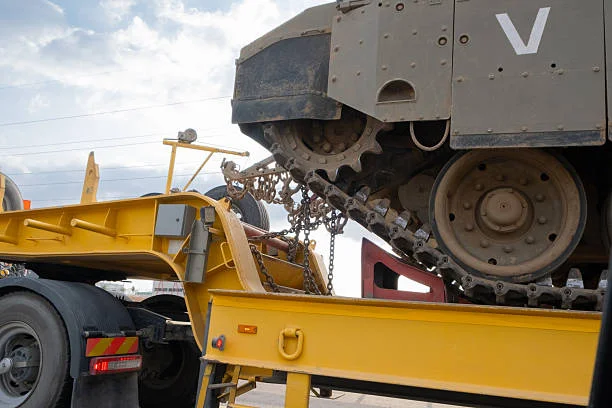
Heavy equipment requires careful support during movement from one site to another. Construction vehicles, industrial machinery, and oversized cargo place intense pressure on transport systems, especially across long routes. A secure setup helps operators avoid shifting, imbalance, and surface damage while keeping every stage of delivery under control.
Reliable restraint methods also protect workers, drivers, and nearby traffic throughout the journey. Many transport professionals rely on providers like Bunzl Transport Chain and Fittings to support stable cargo control during demanding industrial operations. A stable arrangement reduces sudden movement during braking, cornering, and rough road conditions. This article explains how transport chains strengthen cargo security, support safe handling practices, and improve operational confidence across demanding transport tasks.
Strong Restraint Systems Keep Heavy Cargo Stable
Heavy machinery creates high tension during loading and transit, so transport crews rely on durable restraint systems to maintain balance. Chains provide firm holding strength because they resist pressure and maintain grip under demanding conditions. Their rigid structure allows operators to secure large units without excessive slack or movement.
Professional transport teams select fittings that match the weight and shape of each load. Proper attachment points create equal pressure across the cargo, which lowers strain on trailers and support frames. Secure restraint systems also help drivers maintain better control during long-distance transport operations.
Careful Load Placement Supports Better Chain Performance
Correct positioning plays a major role in safe cargo movement. Transport crews study the size, centre of gravity, and surface condition of each machine before securing it. Balanced placement allows chains to apply even force without creating stress on a single area.
Teams usually follow several important steps during heavy equipment preparation:
- Inspect anchor points for cracks or wear before attachment.
- Place chains at proper angles to improve holding force.
- Tighten fittings evenly to reduce unnecessary pressure.
- Recheck restraint tension after the first stage of travel.
These practices help transport systems perform efficiently during demanding routes while protecting both machinery and trailer components.
Durable Materials Help Crews Handle Extreme Conditions
Heavy hauling operations face changing road conditions, shifting temperatures, and repeated exposure to dirt and moisture. Strong chain materials help crews maintain secure restraint under these conditions without losing performance. High-grade steel construction supports long-term durability while resisting surface wear from frequent use.
Transport companies also value equipment that performs consistently during repeated loading cycles. Reliable fittings maintain tight connections and reduce the chance of loosening during transit. Many industrial operators choose providers like Bunzl Transport Chain and Fittings because dependable restraint equipment supports smoother transport procedures across demanding sectors.
Skilled Operators Improve Safety Across Every Route
Experienced operators understand that cargo restraint involves more than attaching chains to machinery. They evaluate road conditions, trailer capacity, weather patterns, and transport distance before starting the trip. This planning process helps crews choose the right restraint pattern for each piece of equipment.
Communication between loading teams and drivers also strengthens operational safety. Clear coordination allows workers to identify risks early and adjust restraint points when necessary. Routine inspections during travel help operators maintain proper tension and improve cargo stability throughout the route.
Safe heavy equipment transport depends on reliable restraint systems that maintain stability throughout every stage of movement. Transport chains play an important role in securing machinery, supporting balanced load control, and reducing unnecessary movement during transit. Professional handling practices, combined with durable chain systems and proper fitting selection, help transport crews maintain safer operations across demanding industrial environments.
You inspire our best work. Experience the premium features on 2A Magazine.