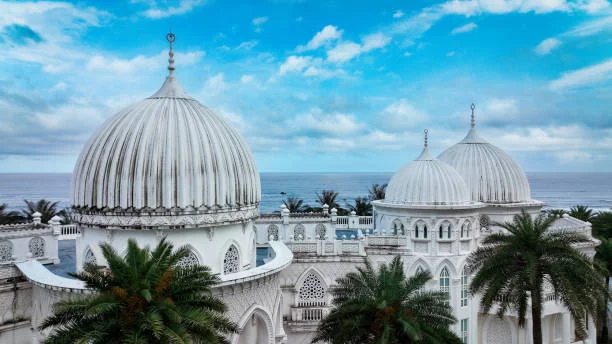
The definition of a luxury island getaway is undergoing a profound transformation across the globe. In decades past, the pinnacle of tropical travel was often defined by sprawling mega-resorts with identical rooms, standardised amenities, and a distinct lack of local character. Today, however, discerning travellers are seeking out destinations that offer much more than just a pristine beach and a generic swimming pool. They are looking for a deep, authentic connection to the local culture, and increasingly, they are finding that connection through the built environment. Heritage architecture is now at the forefront of luxury hospitality, proving that the most memorable escapes are those that tell a compelling historical story.
The Rise of Story-Driven Hospitality
Modern luxury guests no longer view their accommodation as merely a comfortable place to sleep. They expect the physical space to reflect the history, art, and spirit of the island itself. This fundamental shift towards culturally immersive travel is backed by significant global trends and changing consumer behaviours. Industry reports citing the United Nations World Tourism Organization indicate that cultural tourism now accounts for approximately 40% of all international tourism revenue, establishing it as a dominant and rapidly growing force in the global economy.
When visitors arrive on a remote island, they want to feel an immediate, undeniable sense of place. Heritage-inspired architecture, whether in the form of meticulously restored colonial mansions or thoughtfully adapted vernacular timber structures, provides this instant narrative. For instance, those researching a premium hotel Phu Quoc Vietnam often discover that historic, 1920s French colonial designs surround guests with tangible history. This approach allows them to step back in time and experience a destination’s unique heritage while still enjoying top-tier modern comforts.
Why Intimate Design Triumphs Over Mass Scale
This movement towards heritage design goes hand in hand with a growing preference for smaller, more intimate properties. Industry experts and seasoned travellers alike recognise that boutique hotels offer a more personalised travel experience compared to the generic, one-size-fits-all approach of large corporate hospitality chains. By their very nature, historic buildings and heritage-inspired designs cannot be mass-produced. They require careful preservation, thoughtful adaptation, and a smaller physical footprint that naturally limits guest capacity.
This significantly reduced scale allows for a level of bespoke service and tranquil atmosphere that massive resorts simply cannot match. Instead of towering concrete blocks and crowded lobbies, guests are greeted by dark mahogany woods, intricate mosaic tiles, and high ceilings with lazily spinning fans. The architecture itself becomes a central part of the holiday, fostering a nostalgic, romantic environment that resonates deeply with visitors looking for a highly sophisticated and secluded retreat. Such environments encourage genuine interactions between guests and staff, elevating the entire standard of hospitality.
Key Architectural Elements of Authentic Island Escapes
The magic of heritage architecture in luxury hospitality does not rely on a single standout feature. Instead, it is the careful orchestration of multiple authentic design elements that creates a truly transportive and memorable experience. When hoteliers successfully blend historical aesthetics with high-end luxury, several core components usually define the space:
- Authentic Building Materials: The use of reclaimed timber, local natural stone, and traditional roofing materials grounds the property firmly in its environment. These tactile textures add a warmth and character that modern, synthetic materials completely lack.
- Seamless Indoor-Outdoor Flow: Historical tropical architecture was brilliantly designed long before the invention of air conditioning. Deep shaded verandas, internal open-air courtyards, and traditional louvered windows encourage natural cross-ventilation and beautifully blur the line between the lush exterior gardens and the internal living spaces.
- Preservation of Local Craftsmanship: Hand-carved wooden details, bespoke masonry, and artisanal tile work celebrate regional heritage and provide guests with visually engaging, culturally significant surroundings.
- Sympathetic Landscape Integration: Rather than bulldozing the natural environment, heritage resorts often feature established, lush tropical gardens that complement the classic architecture, creating secluded, private oases for guests.
- Nostalgic Interior Design: The chosen furniture and lighting fixtures often reflect a bygone era. The use of antique statement pieces, classic four-poster beds, and rich, layered textiles helps to tell a continuous story of regional history from the lobby to the guest suites.
Preserving the Past for the Future of Travel
Ultimately, the successful integration of heritage architecture into luxury island escapes is about offering genuine substance alongside impeccable style. Modern travellers are voting with their passports, actively seeking out unique properties that honour the past while delivering faultless contemporary service.
By preserving architectural traditions and embracing nostalgic design, boutique properties are entirely redefining what it means to travel in luxury. They are creating immersive, culturally rich environments where the building itself is just as captivating as the spectacular ocean views. This ongoing commitment to heritage ensures that the future of luxury travel will remain as culturally vibrant and historically significant as the destinations themselves.