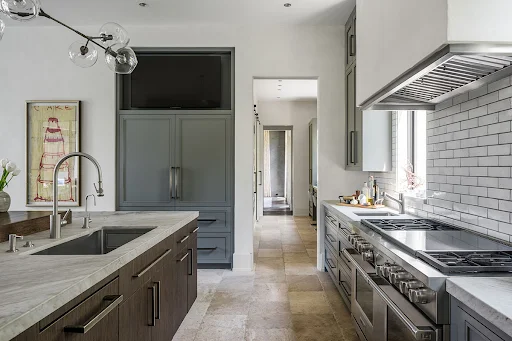
Architecture often begins with bold ideas. Form, scale, and spatial flow define the initial vision of a project. Yet the true identity of a space reveals itself through its details. The elements that occupants touch, see up close, and interact with daily carry a quiet authority. For design professionals who specify materials with care, brands such as Rocky Mountain Hardware represent how craftsmanship and intention come together to support a cohesive architectural narrative.
The Language of Detail in Architecture
Every project communicates through a visual and tactile language. While large architectural gestures establish direction, details refine and complete that expression. Hardware, finishes, and material transitions provide continuity between concept and lived experience.
When these elements are chosen with intention, they reinforce the design story. A well considered door handle or cabinet pull does more than serve a function. It contributes to the rhythm of the space and shapes how people perceive quality.
Architects and designers understand that these decisions accumulate. Each detail builds upon another, creating a layered experience that defines the identity of the project.
Material as a Medium of Expression
Material selection plays a central role in how details are perceived. Bronze, for example, offers depth, texture, and a sense of permanence that evolves over time. Its surface responds to touch and environment, developing a patina that reflects the life of the space.
This quality aligns with projects that aim for longevity and authenticity. Rather than appearing static, the material grows richer with use. For designers, this creates an opportunity to specify elements that age gracefully and remain relevant.
Materiality also supports cohesion. When finishes are aligned across hardware and architectural features, the result feels intentional and resolved. This level of integration distinguishes refined projects from those that feel assembled rather than composed.
Craftsmanship and the Human Element
Beyond material, craftsmanship defines how a detail is experienced. Hand finished surfaces, subtle variations, and precise construction introduce a human quality that cannot be replicated through mass production.
For professionals working on high end residential or bespoke commercial projects, this distinction matters. Clients often seek spaces that feel personal and considered. Craftsmanship supports that expectation by adding depth and character.
It also reflects the values behind the design. Choosing elements that are made with care signals a commitment to quality. This resonates with clients who appreciate the story behind the materials and the process that shapes them.
Cohesion Through Specification
Intentional design relies on consistency. When details align with the broader vision, they create a sense of unity throughout the space. This requires careful specification at every stage of the project.
Hardware plays a unique role in this process. It connects different elements, doors, cabinetry, and architectural features, into a single experience. When selected thoughtfully, it acts as a unifying thread.
Designers often consider proportion, finish, and form to ensure that each piece supports the overall composition. Even subtle differences can influence how a space feels. A cohesive approach ensures that no element feels out of place.
The Tactile Experience of Design
Architecture is not only visual. It is also tactile. The way a surface feels in hand contributes to the perception of quality and comfort. Hardware, in particular, is experienced through touch on a daily basis.
This interaction creates a lasting impression. A well balanced handle with a refined finish can elevate a simple action into a moment of engagement. Over time, these experiences shape how occupants connect with the space.
For designers, this reinforces the importance of selecting elements that offer both aesthetic and tactile value. The goal is to create an environment that feels as considered as it looks.
Designing for Longevity
Timeless design requires an approach that extends beyond trends. It focuses on enduring materials, thoughtful craftsmanship, and details that remain relevant over time. This perspective is especially important in projects where longevity is a priority.
Details contribute to this durability. When hardware and finishes are chosen for their quality and adaptability, they support a design that evolves rather than fades. This approach aligns with clients who value lasting investment over short term appeal.
It also reflects a broader shift toward sustainable thinking. By specifying elements that age well and maintain their integrity, designers reduce the need for replacement and preserve the character of the space.
The Quiet Power of Intentional Design
In architecture, the most impactful elements are not always the most visible. Details operate with subtlety, yet their influence is profound. They shape perception, guide interaction, and reinforce the identity of a project.
Designing with intention means recognising this power. It requires attention to the smallest components and an understanding of how they contribute to the whole. For architects and designers, this approach transforms projects from functional spaces into meaningful environments.
When every element is considered, the result is a space that feels complete. The design speaks with clarity, and the details support its voice with quiet confidence.