
Picture a regular Tuesday. You stop for gas, grab a snack, and on impulse, slide a $20 scratch-off ticket across the counter. You don’t think much of it. But when a Florida woman wins Monopoly lottery prizes worth millions, that ordinary Tuesday becomes the story she tells for the rest of her life.
This isn’t a fairy tale. It’s been happening with striking regularity across the Sunshine State — and the game behind these wins has a name: MONOPOLY™ SECRET VAULT.
What Is the MONOPOLY SECRET VAULT Game?
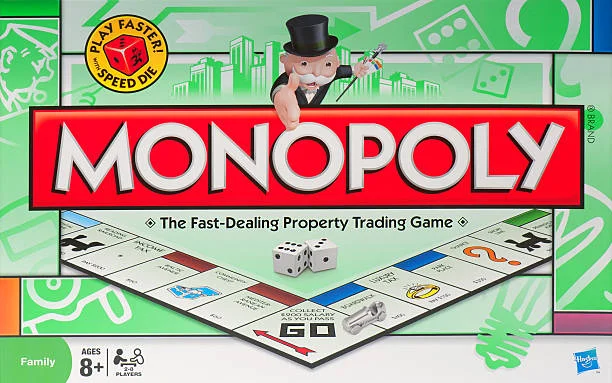
The Florida Lottery launched the MONOPOLY SECRET VAULT scratch-off series in multiple price tiers. The flagship $20 version offers four top prizes of $5 million, with more than 7.3 million winning tickets and over $329 million in total cash prizes. The overall odds of winning something sit at 1-in-2.95.
That’s actually better odds than most people expect from a lottery game. Think of it like flipping a slightly unfair coin — you won’t always win big, but you’ll land something more often than not.
For players with a smaller budget, the $5 ticket offers six top prizes of $1 million with overall odds of 1-in-3.95, while the $10 version features four top prizes of $2 million at 1-in-3.41 odds.
The Monopoly branding isn’t just cosmetic. It taps into decades of cultural familiarity — Boardwalk, Park Place, those little plastic houses — and wraps them around the thrill of instant cash.
The Women Making Headlines in 2026
So who exactly is winning? Several names have surfaced in news reports this year.
Ana Larsen, a Florida resident, stunned her community when she won $5 million on a Monopoly scratch-off ticket, turning a simple lottery purchase into a life-changing event.
Then there’s Judith Van Hauer, who walked into a Circle K convenience store in Ellenton, Florida, during the spring of 2025, as just another customer grabbing a few items on her way home. She had no idea the $20 MONOPOLY SECRET VAULT ticket she casually purchased would transform her into a multimillionaire before dinner.
Stories like these don’t go viral by accident. They hit something deep — the idea that an unremarkable moment can split your life into a before and after.
How Does the Lump Sum vs. Annuity Decision Work?
This is where winners face their first real test of financial judgment.
When Benjamin Chiurliza claimed a $5 million prize from the MONOPOLY SECRET VAULT game, he chose to receive his winnings as a one-time lump-sum payment of $2,884,920 — roughly 57% of the advertised jackpot.
That gap surprises most people. Tax burdens in 2026 can erode winnings by nearly 40% without proper planning. Federal and state taxes, combined with the present-value discount built into lump sums, mean that a “$5 million win” rarely puts $5 million in your bank account.
Still, most winners choose the lump sum. The logic? Cash in hand today is worth more than payments stretched over decades — especially when invested wisely. Financial planners consistently recommend assembling a team fast: a CPA, an estate attorney, and a fee-only financial advisor, ideally before you even claim the prize.
Why Florida? Why Monopoly?
Scratch-off games made up about 74% of florida woman wins monopoly lottery ticket sales in the 2023–2024 fiscal year and have generated nearly $20.09 billion for the state’s Educational Enhancement Trust Fund.
Florida isn’t just America’s lottery playground by accident. The state has no income tax, a massive retiree population with disposable income, and convenience stores seemingly on every corner. Add a brand as universally recognized as Monopoly, and you’ve got a product that sells itself.
“Branded lottery games consistently outperform generic ones,” says Dr. Patricia Hamlin, a consumer psychology researcher at the University of Central Florida. “When people see Monopoly, they feel nostalgia, playfulness, and familiarity — three emotions that lower the psychological barrier to spending.”
As of 2026, the Florida Lottery remains one of the top-performing state lotteries in the country, and Monopoly-themed games are a significant reason why.
What Happens After You Win?
Most people haven’t thought this through. Here’s a quick breakdown of what responsible winners do:
- Stay quiet at first. Don’t post on social media before consulting a lawyer.
- Sign the ticket immediately. This establishes legal ownership.
- Set up an LLC or trust. Many states allow prize claims through legal entities, protecting your identity.
- Give yourself a 90-day spending freeze. Impulse decisions immediately after a windfall are the biggest threat to long-term wealth.
- Build a professional team. CPA, attorney, and financial planner — in that order.
Transforming sudden fortune into lasting security requires more than just a lucky ticket — it demands informed decisions and strategic planning.
The National Endowment for Financial Education has long documented how a significant portion of lottery winners face financial hardship within five years. Not because winning is bad, but because most people have no framework for handling sudden wealth.
The Real Odds — And What They Mean for You
Here’s the honest truth that headlines don’t include.
According to Florida Lottery data, an average of 33,000 MONOPOLY SECRET VAULT tickets are claimed each day, but the last $5 million grand prize was claimed on January 24, 2025, with over 2.8 million tickets sold since that last top prize.
So yes, someone wins. But the gap between “winning something” and “winning millions” is enormous. The 1-in-2.95 overall odds mean you’ll likely win a prize — but that prize is usually a few dollars, maybe a free ticket.
Think of it this way: scratch-offs are entertainment with the possibility of profit, not an investment strategy. The smart play is to set a fixed monthly budget — say $20 — and treat it like a movie ticket. You might love the show. You might leave disappointed. Either way, you knew the price going in.

Conclusion
When a Florida woman wins Monopoly lottery jackpots worth millions, it captures the nation’s imagination for good reason. It’s real, it’s relatable, and it happened at a gas station. The MONOPOLY SECRET VAULT series has genuinely created millionaires across Florida, and as of 2026, those stories keep coming.
But the bigger story isn’t the win. It’s what comes next. Sudden wealth is a test — of judgment, patience, and who you trust. The women making headlines this year didn’t just get lucky. The smart ones are making sure the money outlasts the moment.
FAQs
1. What is the Florida Lottery MONOPOLY SECRET VAULT game?
It’s a scratch-off ticket series launched by the Florida Lottery in partnership with the Monopoly brand. Tickets range from $1 to $20, with top prizes ranging from $10,000 to $5 million depending on the tier.
2. What are the real odds of winning the $5 million top prize?
The overall odds of winning any prize on the $20 ticket are 1-in-2.95, but the odds of hitting the $5 million top prize specifically are far lower — only four such prizes exist in the entire print run of millions of tickets.
3. Do Florida lottery winners have to pay state income tax?
No. Florida has no state income tax. However, federal income tax applies, and for large prizes, winners typically owe around 37% in federal taxes, which significantly reduces the actual take-home amount.
4. Should I take the lump sum or annuity if I win?
Most financial advisors recommend the lump sum for winners who have access to solid financial guidance. The annuity pays out more total money over time, but the lump sum allows for investment flexibility. Both choices have trade-offs.
5. Can Florida lottery winners stay anonymous?
Florida law currently requires lottery winners’ names to be public record. However, claiming through a legal entity like a trust or LLC can sometimes provide a layer of privacy. Consulting an attorney before claiming is strongly recommended.