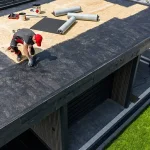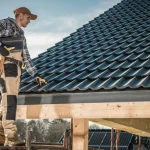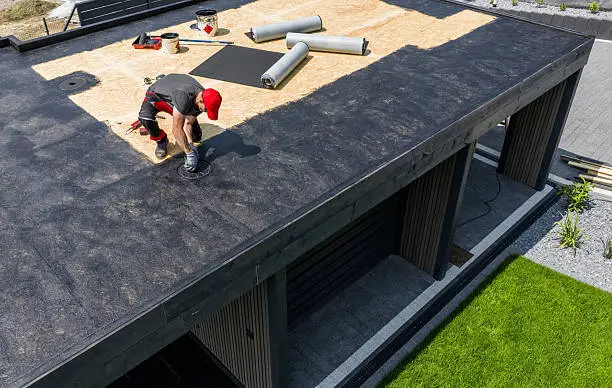
Flat and low-slope roofing systems are commonly used on commercial buildings, garages, additions, and some modern residential properties. Unlike steep-slope roofs, these systems are designed with a low pitch that requires careful attention to drainage, seams, flashing, and surface conditions.
Because water can remain on a low-slope roof longer when drainage is inadequate, regular maintenance is particularly important. Professional Flat Roofing services can help property owners identify developing issues and address them before they result in significant moisture damage.
Why Flat Roof Maintenance Matters
Every roofing system is exposed to weather, temperature changes, debris, and normal aging. Flat roofs can face additional challenges when water does not drain properly.
Standing water may place additional stress on roofing materials and can contribute to deterioration over time. Leaves and debris can also block drains and scuppers, preventing water from leaving the roof efficiently.
Routine inspections allow roofing professionals to evaluate the condition of the membrane, seams, flashing, drainage components, and other areas that contribute to the roof’s performance.
Keep Roof Drains Clear
Proper drainage is one of the most important aspects of flat roof maintenance. Drains, scuppers, and gutters should remain clear so water can move off the roof as designed.
Debris such as leaves, dirt, and branches can collect around drainage openings and interfere with water flow. When this happens, water may remain on the roof longer than intended.
Regular cleaning of drainage components helps reduce the risk of ponding water and the problems associated with it. Property owners who notice blocked drains or slow drainage should schedule an inspection before the issue leads to membrane stress or leaks.
Watch for Standing Water
Some temporary water retention after rainfall can occur on low-slope roofs, but prolonged standing water is a warning sign. Ponding water can accelerate wear on roofing materials and may indicate drainage problems, low spots, or membrane issues.
If water regularly remains on the roof for an extended period after rain, a professional evaluation is recommended. Addressing drainage concerns early can help protect the membrane and underlying structure.
Inspect Seams and Membranes
The membrane is the primary waterproofing layer on many flat roofing systems. Seams, joints, and surface areas should be checked for signs of wear, separation, blistering, or cracking.
UV exposure, temperature changes, and foot traffic can all contribute to membrane aging. Small openings or weakened seams may allow moisture to enter if they are not repaired promptly.
A qualified roofing contractor can determine whether localized repairs are appropriate or whether larger sections of the membrane need attention.
Check Flashing Around Roof Penetrations
Flashing protects the areas where the roof meets walls, curbs, vents, HVAC units, skylights, and other penetrations. These transitions are common sources of leaks when flashing becomes loose, damaged, or improperly sealed.
During maintenance visits, roofing professionals typically inspect flashing for gaps, corrosion, sealant failure, and movement. Keeping these areas secure helps reduce the chance of water intrusion around rooftop equipment and structural intersections.
Protect the Roof From Mechanical Damage
Flat roofs are often used as work platforms for rooftop equipment. Foot traffic, tools, and equipment servicing can damage the membrane if care is not taken.
Walk pads, designated pathways, and careful handling of equipment help protect the roof surface. Property owners should also avoid placing sharp objects or heavy loads directly on unprotected membrane areas.
If mechanical damage is discovered, prompt repair can prevent water from reaching insulation or decking beneath the roof system.
Look for Interior Warning Signs
Not every roofing problem is visible from the exterior. Interior signs such as water stains, damp insulation, peeling paint, or musty odors near ceilings and upper walls may indicate moisture intrusion from the roof.
When these signs appear, a roof inspection can help determine whether the source is related to the membrane, flashing, drainage, or another building envelope issue.
Early investigation helps limit secondary damage to interior finishes and structural components.
Repair or Replace the Roof?
Maintenance and timely repairs can extend the useful life of many flat roofing systems. However, extensive membrane failure, repeated leaks, widespread ponding, or an aging system nearing the end of its service life may make replacement the more practical option.
A professional assessment can help property owners understand the condition of the existing roof, the cost of continued repairs, and whether a new system would provide better long-term value.
Finding Professional Flat Roofing Services
Choosing experienced contractors is important for flat and low-slope roof systems because installation details and maintenance practices differ from steep-slope roofing. Property owners searching for Flat Roofing Services Near Me should look for professionals familiar with the specific membrane types and drainage designs used on their buildings.
A thorough inspection typically includes the membrane surface, seams, flashing, drains, penetrations, and any areas of ponding. Clear communication about findings and recommended next steps helps owners make informed decisions.
Seasonal Maintenance Makes a Difference
Seasonal checks are especially useful before periods of heavy rain, freeze-thaw cycles, or extreme heat. Clearing debris, confirming that drains are open, and inspecting vulnerable details before severe weather can reduce the likelihood of emergency repairs.
After storms, another quick review can identify new damage from wind, hail, falling branches, or clogged drainage caused by storm debris.
Protecting Your Building With Proactive Roof Care
Flat roof performance depends heavily on drainage, membrane condition, and well-maintained flashing details. Consistent inspections and maintenance help property owners catch small issues early and protect the building below.
If you are dealing with leaks, ponding water, membrane damage, or aging materials, Flat Roofing Services Near Me can provide access to experienced professionals who can evaluate the roof and explain practical solutions. Regular attention can help prevent small roofing concerns from becoming larger problems and support the long-term protection of the building.