A roof is designed to protect a home from the elements, but severe weather can put even a well-maintained roofing system under significant stress. Strong winds, hail, heavy rain, falling branches, and seasonal temperature changes can all contribute to roof damage.
The challenge is that some damage is immediately obvious while other problems remain hidden until water enters the home. Knowing what to look for after a storm and understanding the appropriate next steps can help homeowners protect their property and avoid turning a manageable roofing issue into a larger repair.
For homeowners dealing with Roof Repair in Cedar Rapids, taking a methodical approach can make the process less stressful and help ensure that important problems are addressed properly.
Inspect the Roof From a Safe Distance
After severe weather, homeowners may be tempted to climb onto the roof to look for damage. This is generally unnecessary and can be dangerous, particularly when shingles are wet, surfaces are unstable, or structural damage has occurred.
Instead, begin with a visual inspection from the ground. Look for missing shingles, damaged flashing, exposed areas, debris, or sections that appear uneven.
Binoculars can sometimes make it easier to identify obvious problems without putting anyone at risk.
If the roof appears significantly damaged, a professional inspection is the safest way to determine what needs to be done.
Look for Missing or Damaged Shingles
Shingles are the first line of defense against rain and other weather conditions. Strong winds can lift or remove them, while hail can create cracks, dents, or small impact marks.
Missing shingles are relatively easy to identify, but less obvious damage may require a closer professional inspection.
A roof can still look acceptable from the ground while having damaged shingles or compromised materials underneath. This is why homeowners should not assume that a roof is fine simply because there are no visible holes.
Even small areas of damage can allow moisture to reach the underlying roofing structure.
Check the Attic for Signs of Moisture
The attic can provide important clues about whether a roof has sustained water damage.
Look for damp insulation, water stains, darkened wood, or visible moisture. In some cases, daylight may also be visible through areas where the roof covering has been compromised.
A leak may not appear directly beneath the damaged portion of the roof. Water can travel along decking or structural components before becoming visible inside the home.
If moisture is discovered, addressing the source quickly is important. Prolonged exposure can affect insulation, wood, drywall, and other materials.
Don’t Ignore Ceiling and Wall Stains
Brown, yellow, or discolored areas on ceilings and walls can indicate that water has entered the structure.
Sometimes these stains become noticeable shortly after a storm. In other cases, they may not appear until days or weeks later.
Homeowners should not assume that an old-looking stain is harmless. If the roof has recently experienced severe weather, a professional should determine whether the area is still receiving moisture.
Finding and addressing the source is more important than simply painting over the visible stain.
Understand the Impact of Hail
Hail can cause roofing damage that is difficult to identify without experience. Small impacts may leave dents or weaken shingles without immediately creating an obvious leak.
Over time, damaged shingles may become more vulnerable to moisture and weather exposure.
After a significant hailstorm, a professional inspection can help determine whether the roofing materials have been compromised.
Homeowners should also remember that damage may extend beyond the roof itself. Gutters, vents, siding, windows, and other exterior components can also be affected during severe weather.
Watch for Damaged Flashing
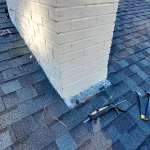
Flashing is used around areas where the roof meets other structures or penetrations, including chimneys, vents, skylights, and certain wall transitions.
Because these areas can be vulnerable to water intrusion, damaged or displaced flashing deserves attention.
A roof may have perfectly intact shingles while still developing leaks because flashing has deteriorated or shifted.
Professional inspections should therefore evaluate the entire roofing system rather than focusing exclusively on the shingles.
Temporary Protection May Be Necessary
When significant damage has occurred, temporary measures may sometimes be necessary to reduce additional water exposure before permanent repairs can be completed.
The appropriate temporary solution depends on the type and severity of damage. Homeowners should avoid attempting risky repairs themselves, especially when accessing the roof would require climbing or working near unstable areas.
Professional assistance can help protect the property while a permanent repair plan is developed.
Document the Damage
Photographs and notes can be useful after a storm. Homeowners should document visible damage from safe locations and keep records of when the damage occurred.
If an insurance claim may be involved, having photographs taken before repairs begin can help document the property’s condition.
Homeowners should follow their insurance provider’s procedures and avoid making assumptions about what their specific policy covers. A roofing professional may also be able to provide documentation of observed damage.
Repair or Replace?
Not every damaged roof requires complete replacement.
If the damage is limited to a small area and the existing roofing system is otherwise in good condition, targeted repairs may be sufficient. Damaged shingles, flashing, or other components can sometimes be replaced without disturbing the rest of the roof.
However, extensive damage, an aging roofing system, repeated leaks, or widespread deterioration may justify considering a larger project.
The appropriate decision depends on the roof’s age, material, condition, repair history, and the extent of the damage.
Consider Cedar Rapids Weather Conditions
Homes in Cedar Rapids experience a variety of seasonal weather conditions. Roofing systems must withstand changing temperatures, precipitation, wind, and other environmental factors throughout the year.
Freeze-and-thaw cycles can place additional stress on roofing materials and certain components of the building envelope. Heavy storms can also create sudden damage that may not be immediately visible.
Regular inspections and timely maintenance can help homeowners identify developing problems before they become more serious.
Choose the Right Professional
When roofing damage requires professional attention, homeowners should take time to evaluate the contractor they choose.
Look for appropriate licensing or credentials where required, adequate insurance, relevant experience, and clear written estimates. Contractors should be able to explain what they found, what work they recommend, which materials will be used, and how the project will be completed.
For homeowners researching professional roof repair in Cedar Rapids for storm-damaged homes, experience with local weather conditions can be a useful consideration alongside qualifications, workmanship, communication, and customer reviews.
A professional should also be willing to answer questions without pressuring the homeowner into unnecessary work.
Don’t Wait for a Leak
One of the biggest mistakes homeowners can make after a storm is waiting until water enters the house before investigating possible roof damage.
Some problems are initially small and may only become obvious after repeated exposure to rain, wind, and temperature changes.
Addressing damaged shingles, flashing, or other roofing components early may help prevent additional deterioration.
Regular roof inspections can also be valuable even when no recent storm has occurred. An inspection can identify normal wear, aging materials, or potential maintenance issues before they develop into emergencies.
Protecting Your Home Starts With Early Action
Roof damage can be stressful, but homeowners can take practical steps to reduce the risk of additional problems.
Start by inspecting the property safely from the ground, check the attic for signs of moisture, document visible damage, and arrange for a professional evaluation when necessary. Avoid climbing onto a damaged roof or attempting repairs that require specialized equipment and training.
Most importantly, do not assume that visible damage tells the entire story. A roofing system consists of multiple components, and problems hidden beneath the surface can be just as important as those that are easy to see.
With timely inspections, appropriate repairs, and regular maintenance, homeowners can keep their roofing systems better prepared for Cedar Rapids’ changing weather conditions and protect the structure beneath them.