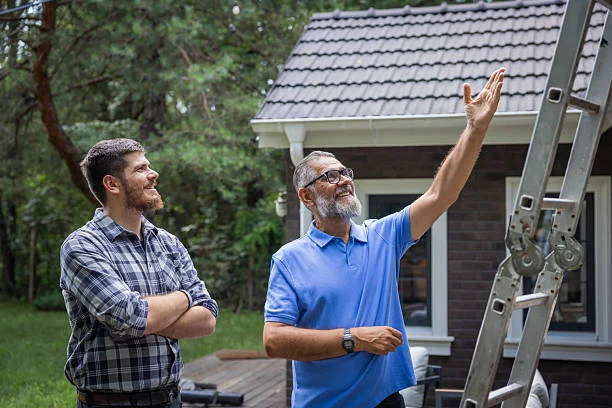
Your roof is one of the most important parts of your home. It protects your family and belongings from rain, wind, extreme temperatures, and other outdoor conditions. Because roofing work can affect the safety, comfort, and long-term condition of a property, choosing the right professional for the job deserves careful consideration.
Whether you need a minor repair, routine maintenance, storm damage assessment, or a completely new roof, the contractor you choose can have a significant impact on the final result. Looking beyond price and asking the right questions can help homeowners make a more informed decision.
Start With Experience and Qualifications
Roofing is skilled work that requires knowledge of materials, installation techniques, building requirements, ventilation, flashing, drainage, and weather-related concerns. Experience can be particularly valuable when a project involves an older home, unusual roof design, or extensive damage.
When researching contractors, homeowners should look at how long the business has operated and what types of roofing projects it regularly handles. A company that has experience with residential roofing may be better suited to a homeowner’s needs than a contractor who primarily works on commercial buildings.
It is also worth asking about relevant licenses, certifications, and insurance. Requirements vary by location, so homeowners should understand the regulations that apply in their area before work begins.
Ask for a Detailed Inspection
A trustworthy roofing professional should begin by understanding the current condition of the roof rather than immediately recommending a particular service.
A thorough inspection may examine shingles, flashing, gutters, vents, roof decking, attic ventilation, and areas where water could potentially enter the structure. The contractor should be able to explain what they find and distinguish between cosmetic issues, maintenance concerns, repairable damage, and problems that require more extensive work.
Homeowners should be cautious of recommendations made without an adequate inspection. A roof is a complete system, and focusing on one visible problem may overlook a more significant issue underneath.
Understand the Difference Between Repair and Replacement
Not every damaged roof needs to be completely replaced. A small number of damaged shingles, isolated flashing problems, or limited storm damage may be addressed through targeted repairs.
However, an aging roof with widespread deterioration may require a different approach. Repeated leaks, extensive shingle damage, sagging areas, and deteriorating underlying materials can indicate that continued repairs may not be the most practical solution.
A reputable contractor should explain the available options rather than presenting replacement as the automatic answer. Homeowners can then consider the roof’s age, condition, repair history, and long-term needs before making a decision.
Compare More Than the Price
Getting multiple estimates can help homeowners understand the typical cost of a project, but the lowest estimate is not necessarily the most useful comparison.
A roofing estimate should clearly explain what is included. This may cover material removal, disposal, underlayment, flashing, ventilation, labor, cleanup, permits, and other project-specific requirements.
A surprisingly low estimate may leave out important components or rely on lower-grade materials. Conversely, a higher estimate may include additional work or premium materials that are not necessary for every property.
Comparing the scope of work alongside the price provides a much more meaningful comparison.
Pay Attention to Roofing Materials
Roofing materials vary significantly in appearance, durability, maintenance requirements, and cost. Asphalt shingles remain popular for residential properties, while metal, tile, slate, and other materials may be suitable depending on the home’s structure and local climate.
The right material should match the property’s design and environmental conditions. Homeowners should also consider how long they expect to remain in the home and what level of maintenance they are comfortable with.
A knowledgeable contractor should be able to explain the advantages and limitations of different materials without making the decision unnecessarily complicated.
Ask About Warranties
Warranties are another important part of a roofing project. There may be separate warranties covering the roofing materials and the contractor’s workmanship.
Homeowners should ask what each warranty covers, how long it lasts, and whether there are conditions that could affect coverage. Understanding these details before signing a contract can prevent confusion later.
It is also useful to keep copies of invoices, contracts, product information, inspection records, and warranty documents. These records can be valuable if questions arise in the future.
Check Communication and Professionalism
Good communication can make a major difference during a roofing project. Homeowners should know who their primary contact is, how updates will be provided, and what to expect regarding scheduling.
Weather can affect roofing timelines, so contractors should communicate clearly if conditions require changes to the schedule.
Before hiring a roofing company, pay attention to how the business handles basic communication. Are questions answered clearly? Is the estimate detailed? Does the contractor explain the work in understandable terms? Do they arrive when promised or communicate when plans change?
These details can provide useful insight into what homeowners might experience once the project begins.
Look at Reviews and References
Online reviews can help homeowners learn about other customers’ experiences, but they should be considered alongside other information.
Look for patterns rather than focusing on one particularly positive or negative review. Comments about communication, workmanship, cleanup, punctuality, and how problems were handled can provide useful context.
Homeowners can also ask contractors for references from previous projects. Speaking directly with past customers may provide additional insight into the quality of the work and the overall experience.
Make Sure the Contract Is Clear
A written agreement should clearly outline the work that will be performed. Important details may include the materials being used, estimated start and completion dates, payment schedule, project cost, warranty information, cleanup responsibilities, and procedures for handling unexpected issues.
Homeowners should read the contract carefully before signing. If something is unclear, ask for an explanation rather than relying on verbal assumptions.
A clear contract protects both the homeowner and contractor by establishing expectations from the beginning.
Consider Local Knowledge
Roofing requirements and weather conditions can vary significantly from one region to another. A contractor familiar with the local environment may have practical knowledge about common weather challenges, appropriate materials, ventilation considerations, and applicable building requirements.
For homeowners researching how to choose a reliable residential roofing company for a home improvement project, local experience can be an important factor alongside qualifications, workmanship, and customer service.
Local knowledge does not replace proper credentials or quality work, but it can complement them when a contractor understands the conditions a particular roof must withstand.
Don’t Wait Until a Small Problem Becomes a Major One
Roofing problems rarely become easier or less expensive when they are ignored. A small leak can eventually affect insulation, ceilings, walls, framing, or other parts of a home.
Regular inspections and timely maintenance can help identify developing issues before they become emergencies. After severe weather, homeowners should also consider having the roof inspected if there are signs of damage or if debris has fallen onto the property.
Taking action early gives homeowners more time to research their options rather than making a rushed decision during an emergency.
Choosing With the Long Term in Mind
Selecting a roofing professional is about more than finding someone who can complete the work quickly. Homeowners are investing in a system that protects the property every day, often for many years.
Experience, qualifications, inspection practices, materials, warranties, communication, reviews, and contract terms should all be considered before making a final decision.
A contractor who clearly explains the condition of the roof and provides realistic options allows homeowners to make decisions based on information rather than pressure. With careful research and proper planning, a roofing project can become a long-term investment in the safety, durability, and value of the home.