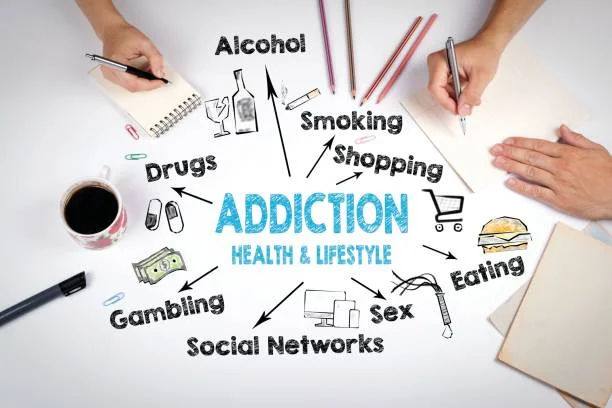
Addiction recovery is a journey that needs careful planning and commitment. Many people overlook the importance of a structured plan that meets immediate needs while focusing on long-term success. It’s about setting up a healthier life, step by step for Addiction Recovery Plan.
With the right strategies and support, lasting recovery can happen. Let’s look at how to create a solid recovery plan.
Setting Clear Goals
The first step in developing a long-term recovery plan is to set clear, achievable goals. Think about what you want your life to be like after recovery. Are there relationships you want to mend? Do you want to take up a hobby again? Setting these goals gives you something to aim for and motivates you during tough times.
Once you outline your goals, break them into smaller steps. This makes them feel less overwhelmed and allows you to celebrate small successes. Remember, recovery is a marathon, not a sprint. Keeping your goals in sight helps you remember why you started this journey and stay focused.
Support Systems Matter
A strong support system is key to long-term recovery. Surround yourself with people who understand your journey, like family, friends, or support groups. These connections can help you feel less alone and provide emotional support.
Consider working with professionals who specialize in addiction recovery, such as therapists or counsellors. They can guide you through the emotional and psychological parts of recovery. Their advice and tools can help you find coping strategies that suit your needs.
Addiction Treatment Centres
Addiction treatment centres in BC can be a vital part of your long-term recovery plan. These facilities offer different types of care, such as detox, inpatient rehab, and outpatient programs. Depending on your needs, these centres can be a great starting point for your recovery journey.
Many treatment centres use research-backed methods that have been proven to work. They provide structured environments where you can concentrate on your recovery. If you’re just beginning, contact a treatment centre to assess your needs and create a personalized plan. Whether you choose an intensive program or a more flexible option, the available resources can make a real difference.
Creating Healthy Routines
Once you have support and treatment, the next step is to develop healthy routines. Having structure in daily life can help replace negative habits and thoughts with positive ones. This might mean starting a regular exercise program. Exercise improves both physical and mental health by releasing endorphins, which can lift your mood and help with cravings.
Nutrition is also important. A balanced diet can help manage your response to stress and anxiety, making it easier to avoid temptations related to addiction. Think of cooking healthy meals as a daily practice that supports your recovery.
Treatment Centres
In addition to residential programs, outpatient treatment centres offer flexibility for those who don’t need intensive care. These centres can be especially helpful if you’re balancing recovery with work or family life. They usually provide therapy sessions, group meetings, and resources to support your sobriety.
When choosing a treatment centre, do your research. Look for programs that match your values and approach to healing. Some centres focus on holistic practices, while others stick to traditional methods. Finding a centre that feels right for you can greatly improve your recovery experience.
Engaging in Continuous Learning
Recovery is a lifelong process. Continuous learning is an important part of your recovery plan. You can do this by attending workshops, reading self-help books, or joining recovery-focused seminars. The more you learn, the better you will be at handling challenges along the way.
Try to set aside time each week for personal development. Use this time to reflect on your progress or set new goals as you grow. Keeping an open mindset helps you adapt, allowing you to grow as you face new situations and feelings.
Embracing Mindfulness and Self-Care
Incorporating mindfulness practices can greatly help your recovery. Techniques like meditation, yoga, or journaling can center your thoughts and reduce anxiety. It is also important to take time for self-care and relaxation. Whether you enjoy a hobby or spend time in nature, prioritizing your well-being boosts your resilience during tough times.
By adding mindfulness and self-care to your routine, you can better understand your emotions and triggers. This awareness can help you make healthier choices and keep you on track with your recovery goals.
Building a recovery plan that fits your unique needs is essential. Focus on the aspects that matter to you to create a supportive environment for lasting change. The journey may be challenging, but with a solid plan, you can confidently work toward a brighter future.
Because our readers deserve elite value: Explore the 2A Magazine updates.