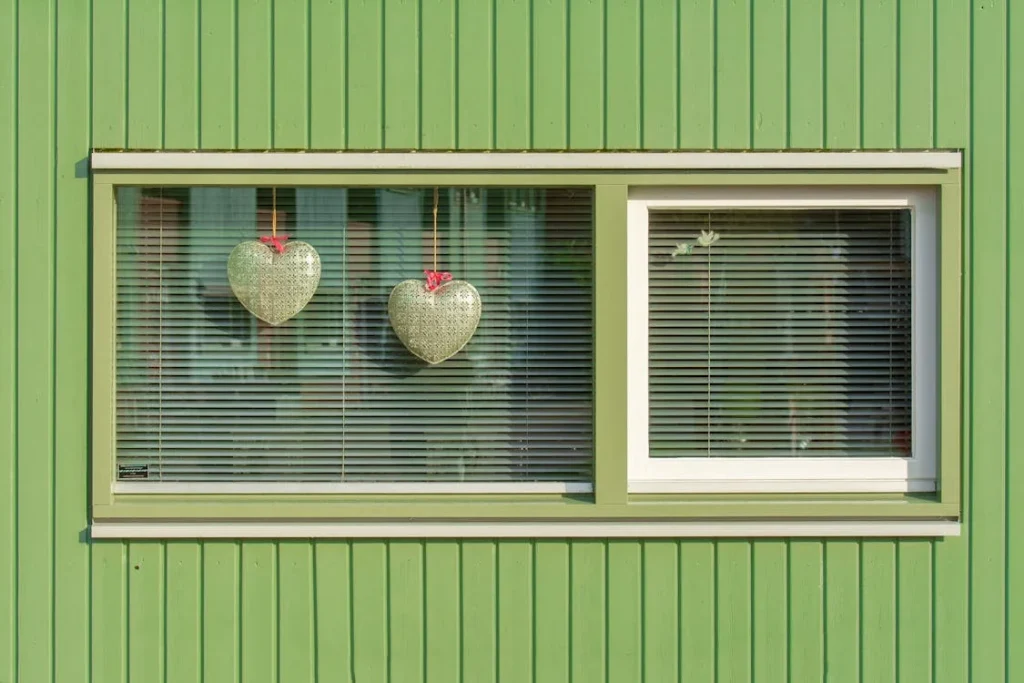
Renters are getting more thoughtful about window treatments. A bare window can make even a nicely furnished apartment feel unfinished, while the wrong blinds can make the whole space look temporary. The challenge, of course, is that most renters cannot drill freely, replace hardware, or make permanent changes without checking the lease first.
That has made temporary window treatments much more appealing. The best options are easy to install, simple to remove, and polished enough to make a rental feel more personal. They can also solve real apartment problems: street-facing windows, too much afternoon sun, lack of privacy, old vertical blinds, and rooms that feel cold or generic.
Why Renters Are Investing More in Temporary Window Treatments
Renters want homes that feel considered, not improvised. A small apartment, studio, or rented condo may have limits, but it can still look warm, layered, and intentional with the right apartment window treatments.
When shoppers compare removable shades, curtains, or blinds through sources such as factorydirectblinds, the goal is usually practical: better privacy, softer light, and a more finished room without committing to permanent installation.
HUD’s tenant resources are a useful reminder that lease terms and property condition matter, especially when renters want to protect their security deposit and avoid unnecessary damage. Its tenant rights information points renters toward understanding their rights and responsibilities before making changes to a rental home.
The Rise of Renter-Friendly Interior Upgrades
A renter-friendly upgrade is one that improves the space without creating repair work later. In window design, that often means no-drill window treatments, which use tension, adhesive, magnets, or removable hardware instead of screws.
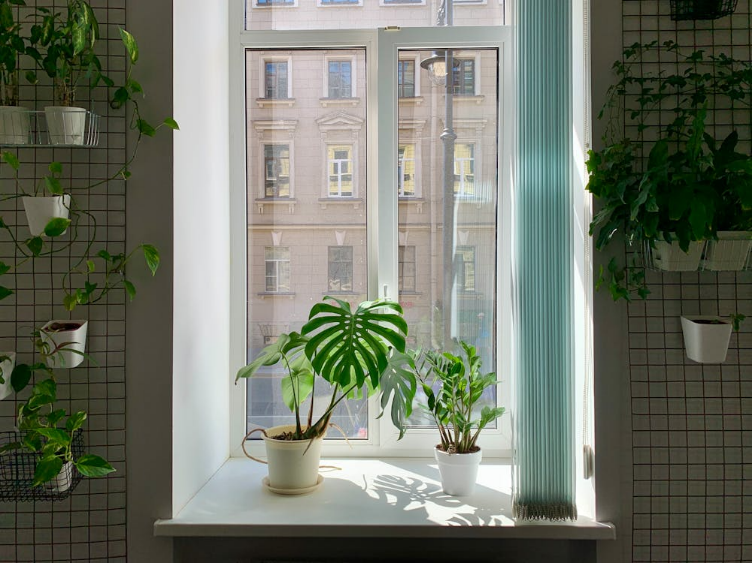
Renters are leaning into these updates because they offer:
- a more custom look without construction
- better privacy in apartments and urban homes
- lower-cost personalization
- flexibility when moving to a new place
- less risk of wall, trim, or paint damage
This is especially useful in small spaces, where every visible detail matters.
Why Standard Apartment Blinds Often Feel Cheap
Many rentals come with basic white mini blinds or flimsy vertical blinds. They are practical for landlords, but they rarely make a room feel elevated.
Common frustrations include weak slats, poor light control, uneven hanging, and a plastic look that clashes with furniture. In bedrooms, they may let in too much morning light. In living rooms, they can make an otherwise warm space feel flat.
That is why temporary window treatment ideas often start with covering or layering over what is already there, rather than replacing everything.
Best Temporary Window Treatments That Look High-End
The most successful rental window upgrades do two things at once: they improve function and make the room look more finished. A good treatment should give you privacy, soften the window, and work with your furniture instead of looking like an afterthought.
| Option | Best For | Why Renters Like It |
| Tension rod curtains | Bedrooms and living rooms | No drilling, easy removal, softer look |
| Command hook curtains | Studios and light panels | Damage-free hanging for lightweight fabrics |
| Temporary shades | Privacy and quick coverage | Affordable, simple, good for street-facing windows |
| Bamboo or roman-style shades | Designer-inspired texture | Warmer, more layered appearance |
Curtains with Tension Rods for a Custom Look
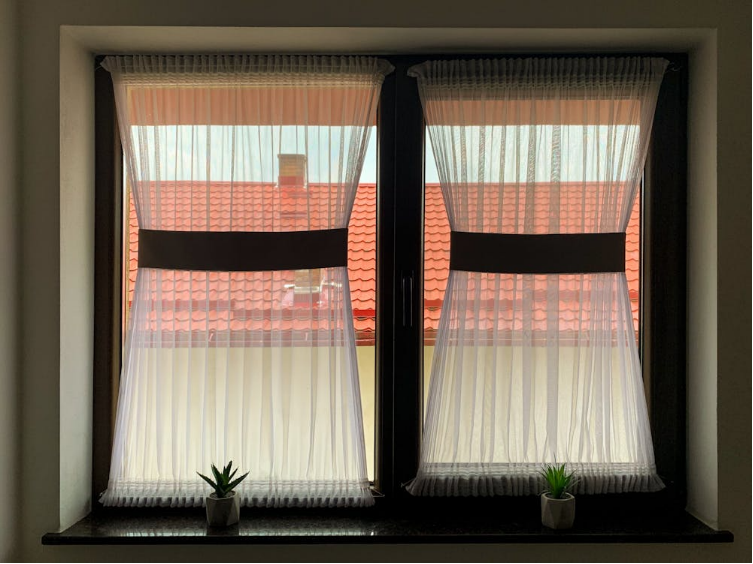
Tension rods are one of the easiest solutions for renter friendly curtains temporary window treatments. They fit inside the window frame using pressure, so there is no drilling and no permanent hardware.
The trick is to choose curtains that look intentional. Avoid panels that barely reach the sill unless the window shape demands it. Longer curtains, even simple cotton or linen-look panels, usually feel more expensive.
When the lease allows an outside-mounted rod, hanging curtains higher and wider can make the ceiling look taller and the window feel larger. If drilling is not allowed, an inside-frame tension rod still works well for privacy and softness.
Command Hook Curtain Installations
Command hook curtain setups can work in studios, dorm-style apartments, and rooms where lightweight fabric is enough. They are not ideal for heavy drapery, but they can support sheers or thin panels when installed carefully.
Modern finishes make a difference here. A slim black, brass, or brushed-nickel rod can make inexpensive curtains look more custom than a basic plastic rod.
This approach is best for renters with strict lease agreements who want a clean upgrade without taking on repair work later.
Temporary Shades for Privacy and Light Control
Peel-and-stick shades, simple fit shades, and light-filtering temporary blinds are useful when privacy is the priority. They work especially well in apartments with large street-facing windows or awkward spaces where standard curtains are hard to hang.
Blackout temporary window treatments are also useful in bedrooms. They will not always look as refined as fabric shades, but they can make a noticeable difference for sleep, glare, and privacy.
Choose light-filtering fabrics for living rooms and blackout styles for bedrooms. That small distinction makes the space work better.
Bamboo and Roman Shades for a Designer-Inspired Look
What is a window treatment? In simple terms, it is any covering used on or around a window for privacy, light control, insulation, or style. That includes blinds, curtains, shades, shutters, valances, and layered combinations.
Bamboo shades and roman shades can make a rental feel more finished because they add texture. Roman shades fold neatly when raised and create a softer look than standard blinds. Bamboo shades bring an organic, woven feel that works well with neutral furniture, wood tones, and warm modern interiors.
For renters, the key is installation. Look for tension-mounted versions, no-drill brackets, or lightweight styles that can be removed cleanly.
Small Apartment Window Treatment Ideas That Maximize Style
In a compact apartment, windows carry more visual weight. They affect how large the room feels, how much daylight moves through the space, and whether the apartment feels private at night.
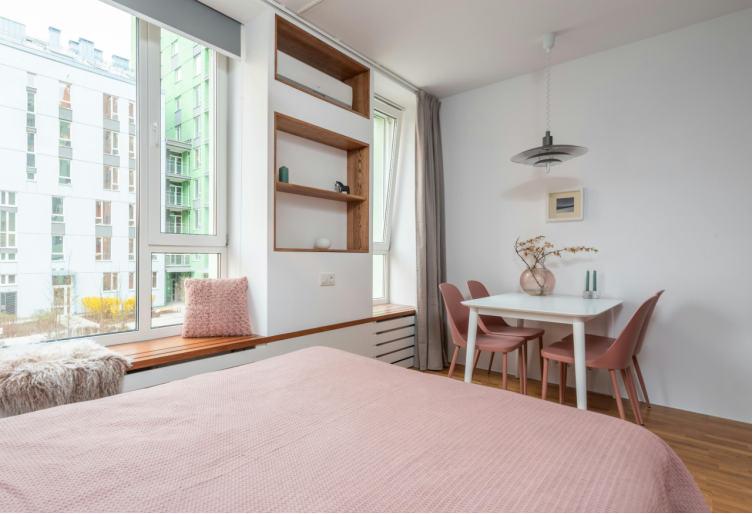
Layering Curtains and Shades
Layered window treatments often look more expensive because they create depth. A shade handles privacy and light control, while curtains soften the edges of the window.
Good combinations for rentals include:
- woven shades with white curtains
- temporary blackout shades behind linen-look panels
- sheers layered over existing blinds
- bamboo shades with simple neutral drapes
The goal is not to make the window busy. It is to give it enough texture that the room feels finished.
Using Window Treatments to Make Small Rooms Feel Larger
Small rooms benefit from vertical lines and lighter fabrics. Curtains that sit close to the ceiling can make the wall feel taller. Rods that extend a few inches beyond the window can make the glass look wider.
For apartment window treatment ideas that feel polished, keep the palette restrained. Warm white, oatmeal, soft gray, pale taupe, and muted natural textures usually work better than heavy patterns in tight spaces.
A few quick rules help:
- Let curtains reach the floor when possible.
- Avoid panels that stop awkwardly above the baseboard.
- Choose lighter fabrics when the room lacks daylight.
- Use matching treatments across nearby windows for a cleaner look.
How to Upgrade Apartment Windows Without Losing Your Deposit
The safest rental upgrades are the ones you can remove without leaving evidence. That means thinking about hardware before fabric.
No-Drill and Damage-Free Installation Methods
No-drill doesn’t mean no structure. It simply means the treatment is held in place without screws or permanent anchors.
Common options include tension rods, magnetic rods for metal doors, adhesive hooks, removable brackets, and Velcro-mounted valances. Each has limits, especially with fabric weight, so check the product capacity before hanging anything heavy.
Older buildings deserve extra care. The EPA notes that many homes and apartments built before 1978 may contain lead-based paint, and renovation or repair work can create dangerous lead dust if not handled properly. Renters in older units should be cautious about drilling into painted trim or walls.
Why Temporary Window Treatments Make Sense for Renters
Temporary window coverings make sense because rental life changes. You may move in a year, switch rooms, or need a different solution in the next apartment.
Flexible treatments can often be reused, resized, or moved to another room. Even if they are not perfect forever pieces, they can improve privacy and comfort while you live there, without requiring landlord-approved construction.
Affordable Renter-Friendly Upgrades That Improve Comfort and Privacy
The best apartment window treatment does not have to be expensive. It has to solve the right problem.
For privacy, light-filtering shades or layered sheers can keep a room bright without leaving it exposed. For bedrooms, blackout liners or temporary blackout shades are more practical. For drafty older windows, heavier curtains can add comfort, especially when replacing the windows is not an option.
The U.S. Department of Energy explains that weatherizing a home can help save energy and improve comfort. Renters usually cannot replace windows, but its weatherization guidance supports the broader idea that reducing drafts and heat loss around openings can make a home feel better day to day.
Useful renter-friendly pairings include blackout curtains in bedrooms, light-filtering shades in living rooms, bamboo shades in dining nooks, and sheer panels in studios where privacy and daylight need to coexist.
Common Mistakes Renters Make with Window Treatments
A small mistake can make even nice curtains look inexpensive. Most issues come down to scale, fabric weight, or installation.
Watch for these common problems:
- hanging curtains too low, which makes the ceilings feel shorter
- choosing panels that are too short or too narrow
- using dark, heavy fabric in a small room with limited light
- ignoring nighttime privacy in street-facing apartments
- relying on adhesive hooks that cannot support the fabric’s weight
- mixing too many different window styles in one open space
Another common question is: do window treatments stay with the house or apartment? In rentals, removable curtains, rods, and temporary shades usually belong to the renter unless the lease says otherwise. Installed fixtures may be treated differently, so it is safer to confirm before replacing anything that came with the unit.
Stylish Rental-Friendly Window Treatments Without Permanent Changes
Renters no longer have to choose between bare windows and permanent installation. Temporary window treatments can look polished, improve privacy, soften harsh light, and make an apartment feel more personal without risking unnecessary damage.
The most effective approach is usually simple: choose a removable installation method, use fabric or texture to warm the room, and make sure the treatment fits the way the space is used. A bedroom may need blackout coverage. A studio may need flexible privacy. A living room may only need softer daylight and a cleaner frame around the window.
Good window treatments do not have to call attention to themselves. In a rental, the best ones quietly make the room feel more finished, more comfortable, and more like home.
Your growth matters. Explore 2A Magazine for curated insights built for you.