
Startup founders now launch websites much faster than in earlier years. Traditional deployment workflows once demanded backend engineers, DevOps support, and complicated infrastructure management before products even reached users for Website Deployment Platforms.
Things have changed heavily during recent years. Modern deployment platforms now help startups publish websites and applications within minutes. Small teams can now handle hosting, scaling, and deployment without large technical departments. This shift changed startup operations dramatically.
Several founders now compare website platforms similar to Netlify because deployment flexibility affects startup growth heavily.
Why Deployment Platforms Matter More Today
A product launch means nothing if deployment workflows slow down development teams. Earlier startup workflows included:
- Manual server configuration
- Infrastructure monitoring
- Deployment pipelines
- CDN management
- SSL configuration
- Backend hosting setup
These tasks consumed huge amounts of time. Modern deployment platforms simplified much of this process. Startup teams now prioritize:
- Faster deployments
- Simpler workflows
- Lower infrastructure costs
- Better scalability
- Easier collaboration
This flexibility helps founders focus more on product growth instead of server management.
Vercel Became Popular Among Startups
Vercel gained massive popularity during recent years because frontend deployment became extremely simple. Several startup teams now use Vercel for:
- Next.js hosting
- Frontend deployments
- Preview environments
- Edge functions
- Global content delivery
The platform integrates smoothly with GitHub workflows. A founder can now push updates publicly within minutes. Many startups also combine Vercel with the best AI website builder tools for rapid MVP launches. This workflow helps teams test products much faster.
Cloudflare Pages Expanded Rapidly
Cloudflare Pages also gained attention across startup communities. Several founders now prefer Cloudflare because edge hosting improves website speed globally. Popular benefits include:
- Fast page delivery
- Edge functions
- Built-in CDN
- Security protection
- Lower hosting costs
Startup teams launching content-heavy websites now compare Cloudflare heavily against website platforms similar to Netlify. Performance affects conversions heavily during early product growth.
Railway Simplified Backend Deployment
Railway became popular because backend deployment feels simpler compared with traditional cloud infrastructure. Several startups now use Railway for:
- Backend APIs
- Database hosting
- Full-stack applications
- Cron jobs
- Internal tools
The platform helps founders launch backend systems without complicated server configuration. This simplicity helps non-technical founders significantly. Smaller teams now launch products much faster.
Render Became Popular for Full-Stack Hosting
Render gained traction because it supports frontend and backend deployment within one workflow. Several startup founders now use Render for:
- Static websites
- Backend APIs
- Docker deployments
- PostgreSQL databases
- Background workers
The platform simplified deployment workflows heavily for growing startups. Earlier cloud infrastructure demanded much more technical management. Render reduced much of that complexity.
AI Builders Changed Deployment Workflows
AI-powered builders also changed deployment expectations heavily. Several AI platforms now generate and deploy products automatically after prompt-based development. A founder can now generate:
- Landing pages
- SaaS dashboards
- Customer portals
- Admin systems
- Membership websites
Many startups now combine deployment platforms with the best AI app builder tools during product launches. This process cuts launch timelines significantly.

No-Code Builders Also Depend on Deployment Systems
No-code development has expanded rapidly in recent years. Several startup founders now launch SaaS products without traditional coding knowledge. The best no-code app builder platforms now integrate directly with hosting and deployment systems. Popular workflows now include:
- Payment integration
- Email automation
- Database connections
- User authentication
- Analytics tracking
This flexibility reduced startup costs significantly. Solo founders can now launch products independently without managing infrastructure manually.
Vibe Coding Is Influencing Deployment Too
A newer trend called vibe coding also affects deployment workflows heavily. Developers now generate applications conversationally while AI systems handle implementation automatically. Several teams now use the best vibe coding tools alongside modern deployment systems.
These workflows help with:
- React components
- Dashboard generation
- Responsive layouts
- API integrations
- Frontend workflows
Generated applications still require human review before public deployment. Manual optimization still improves reliability significantly.
Why Founders Compare Netlify Alternatives
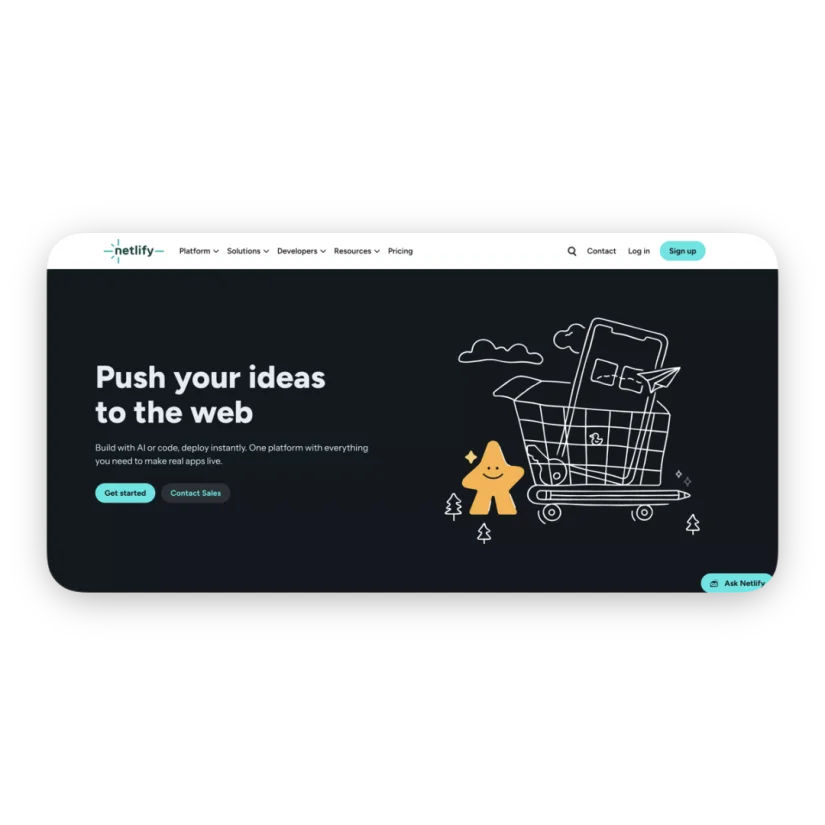
Several startup teams now compare Netlify alternatives because deployment expectations have changed rapidly in recent years. Some founders now need:
- Lower scaling costs
- Better edge hosting
- Backend flexibility
- Improved global performance
- Advanced infrastructure support
No single hosting platform works perfectly for every startup. Some startups prioritize frontend speed. Others focus more on backend scalability and database workflows. Platform comparison now affects technical planning heavily.
Base44 Alternatives Are Also Entering Startup Discussions

Startup communities now discuss base44 alternatives much more frequently. Several founders now want AI-powered systems supporting:
- Prompt-based workflows
- Faster UI generation
- Team collaboration
- Backend integrations
- Flexible exports
The AI development market changes rapidly because new platforms launch constantly. Some tools focus heavily on speed. Others prioritize technical flexibility. Startup founders now compare ecosystems instead of isolated features.
Lovable Alternatives Continue Growing
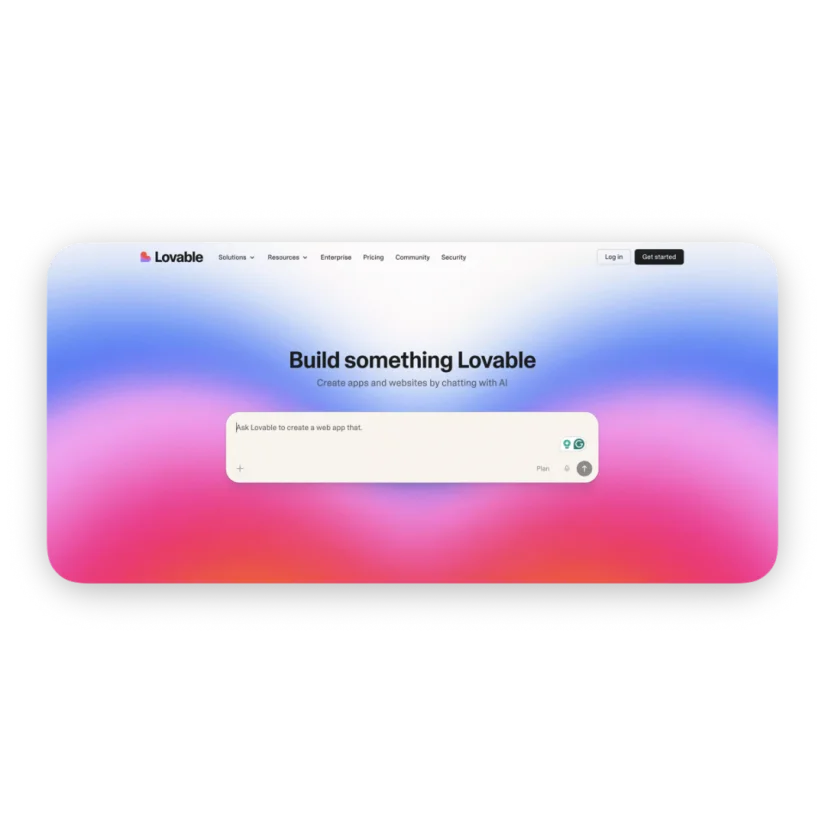
Several founders also started comparing lovable alternatives because startup workflows vary heavily across industries. Some teams now prioritize:
- Faster MVP generation
- Better deployment workflows
- Lower infrastructure costs
- Improved scalability
- Backend flexibility
No AI platform fits every startup perfectly. Product requirements change heavily based on business models and scaling goals.
Human Decisions Still Guide Technical Growth
Deployment platforms simplify infrastructure heavily. Human decisions still guide startup success long-term. Technology cannot replace:
- Product validation
- Customer feedback
- User onboarding
- Pricing strategy
- Market positioning
Several startups launched polished websites without solving real customer problems. Fast deployment alone does not guarantee growth. Customer demand still drives product success significantly.
Common Mistakes Startup Teams Still Make
Modern deployment systems have simplified technical workflows heavily, but several founders still face avoidable problems.
Ignoring Performance Testing
Slow websites hurt conversion rates quickly. Page speed still affects user retention heavily.
Scaling Too Early
Traffic cannot save weak products. Customer demand should guide infrastructure expansion.
Depending Fully on Automation
AI-generated deployments still require manual testing and optimization. Human review still improves reliability significantly.
Weak Mobile Optimization
Generated layouts still require testing across multiple devices. Mobile usability still affects startup growth heavily.
Final Thoughts
Modern deployment platforms have changed startup development completely in recent years. Startup founders now launch websites and applications much faster with fewer technical barriers and smaller budgets. Several teams now depend heavily on:
- Website platforms similar to Netlify
- Best AI app builder tools
- Best AI website builder platforms
- Best no-code app builder systems
- Best vibe coding tools
- Lovable alternatives
- Netlify alternatives
- Base44 alternatives
Startup competition now rewards faster validation and simpler deployment workflows instead of slow infrastructure management. AI-powered systems accelerate product launches heavily. Human product decisions still guide long-term startup growth successfully.
Expand your toolkit with our complete resource hub at 2A Magazine.