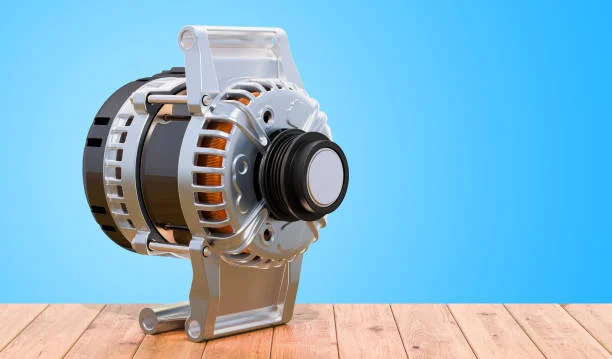
Electrical faults more often creep in through small inconsistencies that are easy to brush off during a busy week. A hesitant start here, a dim headlight there. Beneath it all sits a system doing far more than most give it credit for, and understanding how car alternator parts behave under strain can make the difference between a quick fix and an unexpected breakdown.
Once you know what to watch for, the signs start to feel less like guesswork and more like a clear conversation between driver and machine.
How to Spot Electrical Performance Irregularities
Trouble tends to begin in small ways. The headlights dip slightly when idling at the lights, then snap back to brightness as soon as the accelerator is pressed. It often feels minor and easy to ignore but can have a negative impact on your driving experience at night.
However, that fluctuation points to inconsistent voltage output. The alternator is still working, just not with the steadiness it should maintain. Modern dashboards usually respond with a battery-shaped warning light, though it often sends drivers in the wrong direction. The battery gets the blame, yet the issue sits further upstream.
Pay attention to patterns. Does the stereo cut out for a split second? Do interior lights pulse faintly? These are early hints that the system is working harder than it should and not quite keeping up.
Identifying Strange Noises and Unusual Smells
Sound can be a giveaway if you know what you are listening for. A soft whine that rises with engine speed is often the first clue. Leave it long enough and it turns into something rougher, closer to a grind.
That usually comes back to worn bearings. They sit inside the unit, spinning at high speed, and once they begin to fail, friction takes over.
Smell adds another layer. Burning rubber suggests a slipping belt. A sharper, almost electrical scent hints at overheating wiring. Neither should be dismissed. These are not background quirks. They signal that components are under stress, and the longer it runs like that, the more damage stacks up.
Assessing the Integrity of the Rectifier and Regulator
Inside the alternator, the process is more technical than it looks from the outside. Alternating current needs to be converted before the vehicle can use it properly. That responsibility sits with the rectifier.
When a diode inside that setup fails, the system does not shut down outright. Instead, it limps along, output becomes uneven, and electronics start behaving oddly. The result is that the radio may crackle and navigation systems might lag or reset without warning.
The voltage regulator plays a different role. It keeps everything within safe limits. If it stops doing that job, the battery can end up taking the hit. Overcharging leads to swelling, leaking, or blown fuses scattered across different circuits. It is messy, and it rarely stays contained to one area.
Checking Physical Connections and Belt Tension
Not every issue hides inside the unit itself. Sometimes, the fault sits in plain sight. Corrosion on terminals can interrupt current flow just enough to mimic a failing alternator. A loose ground wire can do the same, creating inconsistent performance that feels harder to pin down.
Then there is the belt. It drives the whole system, yet it is often overlooked during quick inspections. Cracks, glazing, or slack tension reduce how effectively power is transferred. The alternator may be perfectly fine, but without proper rotation, output drops anyway.
A quick visual check can go a long way. Tighten what needs tightening. Clean what looks suspect. It is not always complicated, but it does require attention to detail.
Final Thoughts
Catching alternator issues early is less about technical expertise and more about awareness. Small changes tend to show up first, and they rarely fix themselves. A flicker, a faint noise, a smell that does not quite belong.
Taking a closer look when those signs appear can prevent larger repairs later. Inspect the basics before assuming the worst. And when something feels off more than once, it probably is. A steady electrical system keeps everything else running as it should, and that kind of reliability is worth holding onto.
Go down the rabbit hole—more expert tips await at 2A Magazine.