Storm season leaves homeowners dealing with more than scattered debris and minor inconvenience. Strong winds, hail, and relentless rain test every part of a house, often exposing weak spots that went unnoticed for years. Quick decisions matter in the hours and days that follow. Small cracks can widen, moisture can spread, and structural strain can intensify if left unchecked. A clear repair plan keeps the situation under control and protects both safety and long-term value.
Homeowners across Indiana know how disruptive severe weather can be. The state sees an average of 22 tornadoes each year, according to the National Weather Service, which highlights how common intense storms are. That frequency makes preparation and post-storm action essential rather than optional.
Roof Inspection and Structural Safety
Roof damage deserves immediate attention because it protects everything underneath it. Shingles can tear off under high winds, flashing can loosen, and hail can leave punctures that are hard to see from the ground. Even minor gaps allow water to enter and travel along beams and insulation.
A careful visual inspection should begin as soon as conditions are safe. Missing shingles, sagging areas, and debris accumulation often signal deeper issues. Professional roofing contractors can assess structural components and identify hidden weaknesses.
Garage Door Integrity and Access Points
Garage doors often take a direct hit during storms because of their size and exposure. High winds place intense pressure on panels, tracks, and springs. Dents, warped tracks, and misaligned rollers affect daily use and compromise security.
Inspection should include the door’s alignment, hardware, and automatic opener system. A door that struggles to open or close evenly may indicate track damage or internal strain. Gaps along the edges allow water and debris to enter the garage, which can spread moisture to adjacent rooms. If you’re looking for companies that provide emergency garage door repair in Indiana, choose one that offers 24/7 emergency service and certified technicians trained to handle urgent repairs. A team with fully stocked trucks and experience in broken springs, damaged panels, and off-track doors can restore safe access without delay.
Water Damage and Interior Drying
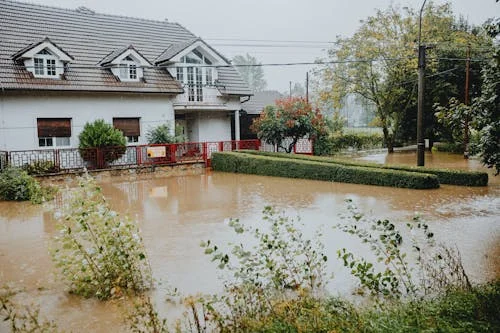
Rainwater can enter through damaged roofing, cracked siding, or poorly sealed windows. Stains on ceilings and walls often appear quickly, yet the most serious damage may remain hidden behind drywall or beneath flooring. Moisture spreads silently and can weaken structural components.
Immediate drying limits long-term problems. Dehumidifiers and air movers help reduce moisture levels, while professional water extraction services remove trapped water in carpets and insulation. Surfaces should be inspected for warping or discoloration. Quick action prevents mold growth and protects indoor air quality.
Electrical System Checks and Safety Measures
Storm activity can disrupt electrical systems through lightning strikes, fallen lines, or sudden power surges. Flickering lights, frequent breaker trips, and unusual odors signal potential hazards. Electrical damage is not always visible, which makes professional evaluation critical.
Licensed electricians can inspect breaker panels, outlets, and grounding systems to confirm safe operation. Damaged wiring requires immediate replacement to reduce fire risk. Functional smoke detectors and surge protection devices add another layer of safety. Restoring electrical stability ensures reliable power and protects appliances and essential systems. A thorough inspection brings peace of mind and supports the safe recovery of the household.
Siding, Windows, and Exterior Sealing
Exterior materials shield the home from wind and rain. Cracked siding, loose panels, and broken window seals allow moisture to seep inside. Drafts and rising energy bills may follow if damage remains unresolved.
Inspection should focus on visible cracks, loose trim, and damaged caulking. Proper sealing improves insulation and prevents further water intrusion. Replacing compromised siding or repairing window seals strengthens the building envelope. Securing exterior surfaces creates a durable barrier against future storms. Strong sealing and intact siding contribute to long-term protection and maintain overall home value.
Foundation and Drainage Concerns
Heavy rainfall can saturate the soil surrounding a home and place added pressure on foundation walls. Standing water near the base of the structure signals drainage problems that need prompt attention. Cracks in basement walls, uneven floors, and sticking doors may indicate subtle shifting.
Inspection should include the foundation perimeter, basement walls, and crawl spaces. Gutters and downspouts must direct water several feet away from the structure. Clogged systems often cause overflow that seeps into lower levels. Professional evaluation helps determine whether cracks are cosmetic or structural. Addressing drainage early protects the home’s stability and prevents long-term settlement issues. Solid foundations support every other repair effort and safeguard overall structural integrity.
Landscaping Hazards and Debris Removal
Storm debris can create hazards long after the skies clear. Broken branches resting on the roof may damage shingles or gutters. Uprooted trees can strain underground utilities or weaken nearby walkways and driveways.
Clearing debris improves safety and allows for a more accurate inspection of exterior surfaces. Damaged fencing, bent railings, and displaced landscaping elements should also be reviewed. Overhanging limbs that survived the storm may still pose a threat during the next round of strong winds. Tree trimming and proper yard maintenance reduce future risk. A clean, stable exterior environment supports the broader recovery process and limits additional repair costs.
Preventive Reinforcements and Future Preparedness
Post-storm repairs present an opportunity to strengthen vulnerable areas. Upgraded roofing materials, reinforced garage doors, and impact-resistant windows increase durability. Weather-resistant sealants and improved insulation offer added protection against moisture intrusion.
Homeowners can also evaluate backup power options, sump pump systems, and surge protection devices. Routine inspections and maintenance schedules keep essential systems in working order throughout the year. Preparation shifts the focus from reactive repair to long-term resilience.
Storm recovery demands focus and steady action. Structural elements such as the roof and foundation deserve immediate attention, followed by critical systems and exterior barriers. Clearing debris and reinforcing vulnerable areas completes the process and creates a safer living environment.
Each repair step builds toward stability and peace of mind. Prompt inspection, professional guidance, and preventive upgrades protect both daily comfort and long-term investment. A well-structured response plan turns a stressful event into a manageable recovery, allowing homeowners to move forward with confidence.
Expand your mind: The perfect follow-up read at 2A Magazine.