Commercial storage areas have a weird way of becoming invisible inside busy businesses. Everybody depends on them, yet very few people actually think about them until something starts going wrong. A restaurant runs out of inventory nobody can find it. Employees trip over stacked boxes during a rush. A strange smell starts coming from the backroom. Products get damaged quietly in storage while managers focus on customer-facing problems out front. Most operational issues inside storage spaces build slowly, which is exactly why businesses overlook them for so long or Poorly managed commercial storage areas.
This buildup creates bigger problems than people expect because storage areas quietly affect almost every part of daily operations. Businesses in places like St. Louis deal with constant inventory movement, staffing turnover, seasonal demand swings, deliveries arriving nonstop, and limited backroom space that gets stretched harder every month. Once storage systems lose structure, the effects spread everywhere.
Inconsistent Cleaning Routines
Storage areas usually become dirty much faster than businesses expect because they collect activity from every direction all day long. Deliveries come through constantly, cardboard piles up, packaging tears open, employees move quickly during busy periods, and products shift around shelves nonstop. Once cleaning routines become inconsistent, those spaces start holding onto debris quietly. Dust settles behind racks nobody moves often. Moisture builds near drains or cooling systems. Food crumbs hide underneath the shelving. Trash sits a little longer than it should. None of it feels urgent individually, which is why businesses often miss how quickly conditions change once maintenance habits loosen over time.
The problem is that neglected storage conditions attract much bigger operational issues later. Areas with excess moisture, food residue, clutter, or forgotten waste attract pests like raccoons and skunks. In such cases, businesses hire pest control companies in St. Louis after realizing that small sanitation issues inside storage spaces quietly created conditions where activity could spread much more easily than expected. What makes this frustrating is how often the situation starts from a simple maintenance inconsistency instead of one major failure. A storage room does not suddenly become a problem overnight. It usually happens gradually once cleaning stops feeling like part of the operational routine and starts becoming something employees only handle “when there’s time.”
Unlabeled Storage Zones
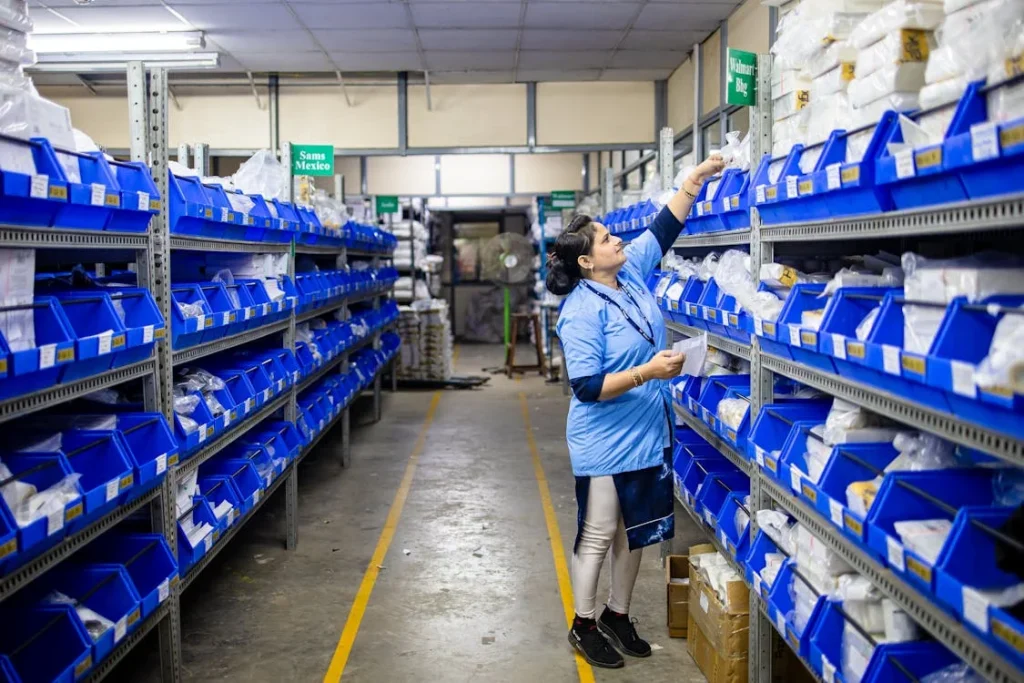
Nothing slows employees down faster than storage systems that stop making sense. At first, unlabeled shelves or loosely organized sections seem manageable because experienced staff members memorize where things belong naturally over time. The problem starts once inventory changes, new employees join the team, or busy periods force people to move products quickly without maintaining consistent organization afterward. Suddenly, everybody starts asking where things are. Similar items get stored in different places. Supplies disappear behind unrelated inventory. Employees spend half the shift opening boxes and checking shelves instead of actually doing their jobs efficiently.
Those delays add up way faster than most businesses realize. A few extra minutes searching for products does not sound serious until it happens dozens of times every day across multiple employees and departments. Restaurants lose speed during rush periods because ingredients sit in the wrong storage area. Retail workers waste time digging through stockrooms while customers wait. Warehouse operations slow down because inventory tracking becomes inconsistent once products no longer follow clear placement systems. Businesses often underestimate how much smoother operations feel once storage zones become structured properly with clear labels, logical placement, and consistent organization that employees can follow easily without constant confusion.
Overstocked Inventory
Storage areas become overcrowded slowly enough that businesses stop noticing how unsafe the space actually feels. Extra inventory gets stacked temporarily during busy seasons. Deliveries arrive earlier than expected. Clearance products sit longer than planned. Somebody places overflow boxes near walkways “for now,” and eventually those temporary solutions become permanent parts of the room layout. Over time, the storage area starts functioning less like an organized workspace and more like a puzzle employees squeeze through every day while trying to move quickly.
Such overcrowding creates real operational risk because employees lose clear movement paths once storage spaces become overloaded. People carry products around blind corners, maneuver around unstable stacks, or struggle to access equipment hidden behind excess inventory. Emergencies become even more dangerous once exits, electrical panels, shutoff points, or safety equipment are no longer fully accessible. For some businesses, safety posters pasted at strategic places can prove worthwhile.
Improper Food Storage
Food storage mistakes create pressure immediately because businesses handling food products operate under constant sanitation expectations from both customers and regulators. A storage issue in a clothing stockroom creates frustration. A storage issue in a food business can create compliance problems, damaged inventory, health concerns, or reputation issues very quickly. Food storage areas require much tighter organization and monitoring compared to many other commercial environments where products carry a lower contamination risk.
The challenge is that food storage systems get stressed constantly during daily operations. Refrigerators open nonstop, deliveries rotate through quickly, staff members move inventory around during rush periods, and products with different storage requirements often sit close together inside limited spaces. Once an organization weakens, problems build fast. Older inventory gets forgotten behind newer shipments. Dry storage conditions become too humid. Refrigerated products sit outside safe temperature ranges longer than expected during busy hours. Cross-contamination risks increase once spaces become overcrowded or poorly cleaned.
Cluttered Backrooms
Clutter becomes dangerous surprisingly fast inside commercial backrooms because businesses tend to keep squeezing extra inventory and equipment into spaces that already feel full. Loose cardboard stacks end up sitting near outlets. Extension cords get buried behind shelving. Old equipment stays plugged in because nobody wants to disconnect anything during busy weeks. Temporary storage setups slowly turn permanent, and eventually, the entire room starts operating around whatever space people can still find. The problem is that clutter does not just make the area look messy. It changes how safely the entire space functions every day.
Fire risks increase heavily once storage rooms become overcrowded and poorly maintained. Employees may struggle reaching extinguishers quickly, spotting electrical issues early, or moving safely through the area during emergencies. Heat builds more easily around overloaded outlets and tightly packed inventory. Small maintenance problems like damaged wiring or overheating equipment become harder to notice because everything around them feels visually chaotic already. Businesses sometimes normalize those conditions simply because the backroom stays hidden from customers. Yet, cluttered storage spaces often create some of the biggest safety vulnerabilities inside the entire building, once inspections or emergencies expose how disorganized the area actually is.
Poorly managed commercial storage areas create much bigger operational risks than clutter alone. Cleaning inconsistencies, overcrowded inventory, and more affect safety, workflow, product quality, and employee efficiency every single day behind the scenes.