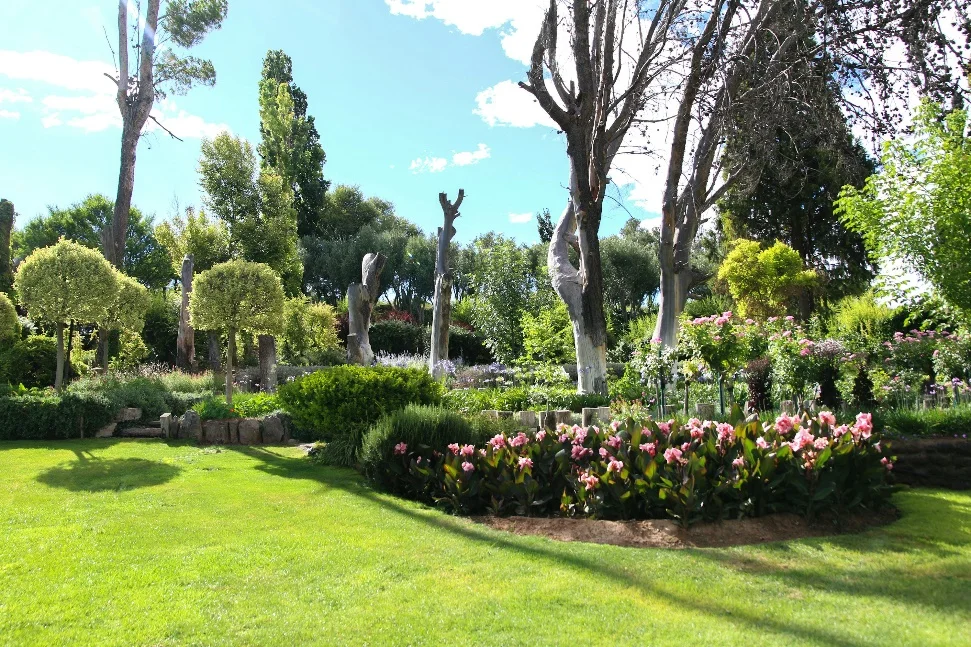
A garden that looks healthy all year usually comes down to planning ahead instead of reacting to problems later. Some plants fade quickly after spring, while others struggle during extreme summer heat or colder winter temperatures. A balanced outdoor space changes naturally throughout the seasons without looking empty or neglected.
The best gardens are built around consistency. Healthy soil, thoughtful plant selection, and reliable maintenance habits all help create a landscape that continues growing well as conditions shift over the year.
Building a Strong Garden from the Start
Adding a sprinkler system early in the planning process can make seasonal garden care far more manageable. Consistent watering helps plants develop stronger roots while reducing the stress caused by uneven moisture during hotter or drier periods. Many homeowners hire professional sprinkler system installation services to create outdoor spaces with more dependable long-term watering support.
Once a garden has reliable moisture control, the rest of the landscape usually becomes easier to maintain. Plants establish themselves more successfully, seasonal transitions feel smoother, and overall growth tends to remain more balanced throughout the year.
Choosing the right layout also plays a major role in how the garden develops over time. Pathways, borders, and layered planting areas help the space feel organized even during seasons when flowers are less active. Structural elements continue giving the landscape shape when certain plants go dormant.
Curved walkways and mixed planting zones can help smaller gardens feel softer and less crowded. Open spaces around seating areas also create balance and prevent the landscape from becoming visually overwhelming as plants mature.
Selecting Plants That Thrive in Different Seasons
One of the biggest mistakes in garden design is focusing too heavily on a single season. A yard filled entirely with spring blooms may look beautiful briefly before losing texture and color later in the year.
A better approach involves combining plants with different blooming cycles and growth patterns. Spring bulbs can provide early color while summer perennials add fullness during warmer months. Autumn works well for ornamental grasses and rich foliage tones, while winter gardens benefit from evergreen shrubs and plants with strong branch structures.
Native plants often perform more reliably because they naturally adapt to local weather conditions. Once established, they usually require less maintenance and recover more effectively from seasonal stress.
Plant height also affects the overall appearance of the garden. Taller shrubs and trees create a backdrop while medium-sized plants fill the middle space. Lower edging plants soften pathways and help connect different sections naturally.
Improving Soil for Long-Term Growth
Healthy soil supports every part of the garden. Weak or compacted soil often causes drainage problems, shallow roots, and inconsistent plant growth, no matter how attractive the landscape initially appears.
Compost helps improve soil texture while adding nutrients that support stronger development over time. Mulch also protects the ground by reducing moisture loss during hot weather and helping roots stay insulated during colder temperatures.
Many gardeners remove too much during seasonal cleanup. Leaving some ornamental grasses, seed heads, and natural ground cover in place through winter can help maintain texture while protecting sensitive plants from sudden temperature changes.
Occasional soil testing can also reveal hidden problems before they become more serious. Poor drainage or nutrient imbalances may weaken plants slowly over time, even when sunlight and watering seem correct.
Keeping the Garden Visually Balanced Year-Round
A thriving garden should still feel inviting even when flowers are not blooming heavily. Texture, structure, and shape help outdoor spaces remain visually interesting during quieter seasons.
Evergreen shrubs provide stability during winter while ornamental grasses add movement throughout the year. Small trees with textured bark or unusual branching patterns can also become focal points once the surrounding foliage fades.
Containers make seasonal updates easier because they can be refreshed without redesigning permanent planting beds. Rotating potted plants throughout the year helps patios and entryways feel active as conditions change.
Color should shift naturally with the seasons instead of remaining overly uniform. Softer tones often suit spring gardens while deeper shades feel more fitting during autumn. Winter landscapes usually benefit from darker greenery and stronger contrast between plants and hardscape features.
Outdoor lighting can also improve the atmosphere after sunset or during shorter winter days. Soft pathway lighting and subtle accent lighting around trees or seating areas create warmth without overpowering the landscape.
Adapting Maintenance Through the Year
Different seasons require different maintenance habits. Summer watering routines may become excessive once temperatures cool, while pruning at the wrong time can interfere with healthy growth cycles.
Observation becomes one of the most valuable gardening skills over time. Watching how sunlight shifts across the yard, where water collects after rain, or which plants struggle during heat waves, helps guide smarter decisions later.
Crowded planting arrangements may look full initially, but can reduce airflow and create conditions where disease spreads more easily. Giving plants enough room to mature properly helps maintain healthier growth throughout the year.
Weather conditions also change from one year to the next. Gardens designed with flexibility in mind tend to adapt better during unusually dry summers, heavy rainfall, or colder winters. The most successful landscapes continue evolving naturally instead of trying to remain perfectly unchanged every season.
Stop scrolling. If you only read one thing today, make it this at 2A Magazine.