Summer brings longer days, family gatherings, vacations, and more time spent at home. But while the season has plenty of upsides, it also creates a long list of problems for homeowners. Rising temperatures, heavy humidity, sudden storms, and increased indoor activity can quickly turn a comfortable home into a stressful place.
However, most summer home problems can be prevented or handled early with the right approach. Whether you are dealing with moisture problems, poor cooling, or unwanted insects, knowing what to look for makes a huge difference.
In this article, we’ll explore the most common summer home headaches and how to solve them before they get worse.
Your Air Conditioner Struggling to Keep Up
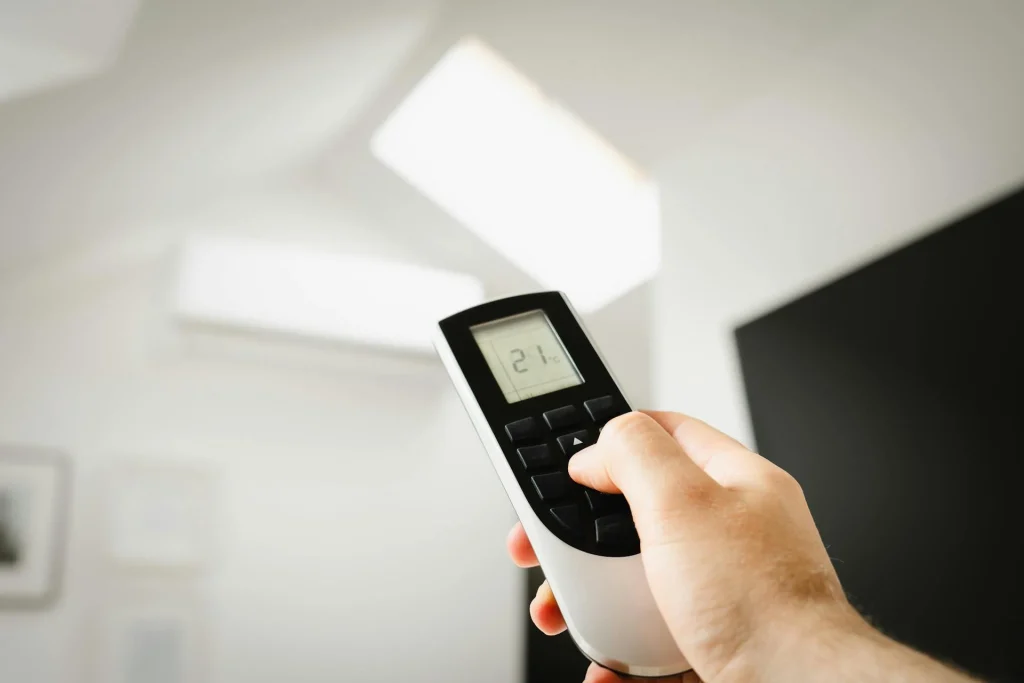
Few things ruin a summer afternoon faster than walking into a warm house after being outside in the heat. If your air conditioner keeps running without properly cooling the rooms, there is usually an underlying issue behind it. Dirty filters, blocked vents, and neglected maintenance often reduce airflow and make the system less effective. You may also notice uneven temperatures throughout the house or rising utility bills without explanation. Keeping the thermostat at an extremely low setting will not solve the problem either. A seasonal inspection and regular filter replacement can improve cooling performance and help you avoid expensive repairs during the hottest weeks of summer.
Pest Infestations Becoming a Serious Problem
Summer creates the perfect environment for pests, especially in areas with high humidity. Ants, mosquitoes, cockroaches, and termites become more active once temperatures climb and moisture levels increase. You might first notice tiny signs like scratching sounds, droppings, or insects appearing near windows and sinks. While sprays and traps may help temporarily, recurring infestations usually point to a bigger issue hidden behind walls or under flooring. That is when professional help becomes necessary. A top pest control company can identify entry points, remove infestations safely, and help prevent future problems before they spread throughout your home.
High Humidity Makes the Home Uncomfortable
Even with the air conditioner running, high humidity can leave your home feeling sticky and unpleasant. Moisture in the air often makes rooms feel warmer than they actually are, which leads many homeowners to lower the thermostat constantly. Beyond discomfort, excess humidity can create musty odors and encourage mold growth in bathrooms, basements, and laundry areas. You may also notice condensation forming around windows or vents. Running ceiling fans, improving ventilation, and using a dehumidifier can make a noticeable difference indoors. Keeping humidity levels balanced helps your home feel fresher while protecting walls, furniture, and flooring from moisture-related damage.
Plumbing Problems Caused by Increased Water Usage
Summer usually brings extra guests, more laundry, frequent showers, and heavier outdoor water use. All of that puts added pressure on your plumbing system. Clogged drains, leaking outdoor faucets, and sprinkler line issues become far more common during this time of year. You may also discover weak water pressure or slow-draining sinks after periods of heavy use. Ignoring small leaks can lead to wasted water and higher bills before you realize there is a problem. Checking pipes regularly, cleaning drains carefully, and inspecting outdoor irrigation systems can help you avoid frustrating plumbing surprises when temperatures are at their highest.
Lawn Damage and Dry Landscaping
Summer heat can quickly leave your yard looking tired and patchy, especially when temperatures stay high for days at a time. Grass often turns brown when it does not receive enough water, but watering too often can create problems, too. Many homeowners water their lawns in the middle of the day, which causes moisture to evaporate before the soil can absorb it properly. Plants and flowers also struggle when exposed to constant direct sunlight without protection. Watering early in the morning, trimming damaged areas, and using mulch around plants can help your landscaping stay healthier through the season without requiring constant attention.
Roof Damage After Summer Storms
Summer storms can cause more damage than most homeowners realize. Heavy rain, strong winds, and intense sunlight slowly wear down roofing materials, even when everything appears fine from the ground. You may notice loose shingles, dark water stains on ceilings, or small leaks after a storm passes through. These problems rarely disappear on their own and often become worse after repeated exposure to heat and moisture. Regular roof inspections can help you catch trouble before it spreads into larger structural damage. Keeping gutters clean and checking for visible cracks or missing shingles can also reduce the risk of unexpected repair costs later.
Outdoor Spaces Wearing Down Too Quickly
Patios, decks, fences, and outdoor furniture take a beating during summer. Constant sun exposure fades paint, dries out wood, and weakens certain materials faster than many people expect. You might notice cracked deck boards, peeling finishes, or cushions losing their color halfway through the season. Dirt, pollen, and moisture buildup can also leave outdoor spaces looking neglected even when they are used regularly. Cleaning surfaces consistently and applying protective sealants can help extend the life of outdoor features. Simple upkeep keeps your backyard looking inviting and prevents you from replacing expensive furniture or structures sooner than necessary.
Poor Indoor Air Quality
You spend more time indoors during extremely hot weather, which means indoor air quality becomes far more important in summer. Closed windows, pet hair, dust, and humidity can leave the air feeling stale and uncomfortable. If anyone in your home deals with allergies, asthma, or breathing issues, these conditions may become more noticeable during hotter months. Dirty HVAC filters often make the problem worse by circulating dust throughout the house. Replacing filters regularly and allowing proper ventilation can improve air quality significantly. Adding indoor plants or using an air purifier may also help your home feel cleaner and fresher during the season.
Summer brings plenty of enjoyable moments, but it also puts your home through added stress. Cooling systems work harder, humidity rises, and pests become more active. On top of all that, you have to deal with a damaged roof and poor indoor air quality. Paying attention to these problems early can save you from expensive repairs and uncomfortable living conditions later in the season. Simple maintenance, regular inspections, and quick action when something feels off can make a huge difference. When you keep your home prepared for summer conditions, you create a cleaner, cooler, and more comfortable space for yourself and everyone spending time there.
Our community’s favorite read—see what the hype is about at 2A Magazine.