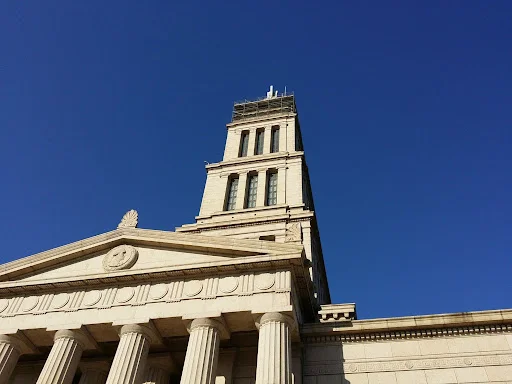
Cities hold the memories of everyone who lived there before us. When walking down an old street, we see the stories of past generations in the brickwork and the design of the squares. Protecting our shared history helps us understand where we came from and where we are going. If we keep these physical links to the past, we support a strong community identity.
The Identity Of Modern Urban Spaces
A city without its history feels like a book with the first few chapters torn out. Old buildings and monuments provide a unique character that new construction simply cannot copy. Every stone in an old wall has a story to tell about the people who built it.
Buildings tell us who we are and where we fit in the world. Walking past a century-old clock tower reminds us of the slow passage of time and gives us a break from the fast pace of the 21st century. Maintaining these sites is a way to respect the work of our ancestors.
Strengthening Community Resilience Through History
Learning from the past prepares us for the challenges of tomorrow. Many communities find that holocaust education programs offer a way to discuss difficult history and build social awareness. Educators see students develop more empathy after engaging with specific historical accounts.
Learning about tragedy helps us value the peace we have today and makes us more aware of the signs of trouble in our own society. Our shared understanding of past events can prevent future conflicts. Those lessons stay with us as we make choices in our own lives.
Global Efforts To Protect Historical Assets
Experts are finding new ways to keep buildings safe from natural disasters and wear. Local leaders are looking at how to combine modern safety tech with older architecture. Keeping these sites safe will maintain the economic value of a district.
Tourists travel thousands of miles to see authentic historical landmarks. Interest brings millions in revenue to local businesses and supports the people who live and work in the area every day. Growing cities must invest in the protection of their history.
Honoring Courageous Voices
History is full of people who risked everything to do what was right, and remembering their stories is a way to celebrate human strength. Students should recognize the people who stood up to danger during the Second World War. Their bravery is a lesson for anyone facing injustice today. We keep their memory alive by talking about their choices in our classrooms and museums.
These heroes show us that one person can make a massive difference. We honor them by protecting the sites where they lived or worked. A small plaque on a wall is enough to start a conversation, as it invites passersby to stop and think for a moment. A little bit of reflection can help us stay grounded in our values.
Practical Ways Cities Balance Growth
Developers want to build high-rise offices where old shops currently stand: it creates a tension between making money and keeping history. Successful cities find a middle ground by repurposing old buildings for new uses. An old warehouse might become a tech hub or an art gallery to save resources and keep the street looking familiar.
Builders can save thousands of dollars and reuse existing foundations. Urban planners look for ways to integrate new parks with old ruins. You will have a space where people can enjoy nature and history at the same time. Repurposing projects show that we do not have to choose between progress and preservation because we can have both if we plan carefully.
Keeping The Past Alive For Future Generations
Preservation takes effort from every member of the community. Visit local museums or support groups that save old landmarks. Shared spaces become more meaningful when we know the stories behind them.
- Volunteer at a local historical society
- Read books about the founding of your town
- Support businesses that operate in restored buildings
- Share old photos on social media to spark interest
- Attend city council meetings about zoning laws
History belongs to everyone who calls a city home. Every time you share a story about your town, you are keeping its spirit alive.
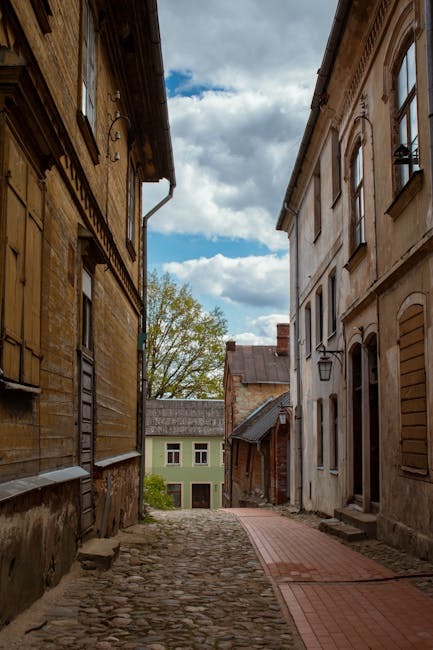
Cultural integrity is a long-term commitment that requires us to look at our surroundings with respect and curiosity. As our cities grow taller and busier, pieces of the past become even more valuable. They remind us that we are part of a long story that started long before we arrived.
When we protect these sites, future generations will have the same chance to learn as we did. The past is a gift that keeps giving if we take care of it. Our legacy depends on the choices we make right now.