Picture this: you’re halfway through an epic movie marathon in your home theater, the tension is building on screen, and your phone buzzes with a notification you’ve been waiting for all day. You reach for it only to find a dead battery and no convenient way to charge without leaving your seat. It’s a frustration that countless cinema enthusiasts know all too well. Traditional theater seating, while functional, was designed for a pre-smartphone era when the only thing you needed in your hands was a bucket of popcorn. Today’s viewers demand more from their entertainment spaces—seamless connectivity, personalized comfort, and technology that keeps pace with their lifestyle.
Enter Type-C charging home theater chairs, a revolutionary upgrade that transforms passive seating into an integrated command center for your cinematic experience. These chairs address the growing disconnect between how we consume entertainment and the furniture we sit in while doing so. In this article, we’ll explore why Type-C charging chairs outperform traditional theater seating by comparing their features, examining the tangible benefits they offer, and providing practical guidance for making the switch to a smarter, more connected home theater setup.
The Limitations of Traditional Theater Seating
Traditional theater seating was engineered for a singular purpose: providing a place to sit while watching a screen. While these chairs served their role admirably for decades, they now represent a relic of an era before smartphones, tablets, and wireless headphones became inseparable companions to our entertainment habits. Most conventional theater seats offer little beyond basic cushioning and perhaps a simple reclining mechanism, leaving modern viewers to fend for themselves when it comes to device management and personalized comfort.
Lack of Modern Connectivity and Convenience
The most glaring shortcoming of traditional theater seating is the complete absence of charging infrastructure. During a three-hour film or a full-season binge session, devices inevitably lose power. Without built-in USB ports or any form of integrated charging, viewers face an uncomfortable choice: abandon their seat to find an outlet across the room, drape unsightly extension cords across the floor, or simply let their devices die. This inconvenience disrupts immersion and creates unnecessary friction in what should be a relaxing experience. For those who use tablets as secondary screens, control smart home systems from their phones, or rely on Bluetooth-connected hearing devices, the lack of accessible power isn’t just inconvenient—it fundamentally limits how they interact with their entertainment space.
Fixed Configurations and Comfort Issues
Beyond connectivity, traditional seats suffer from rigid, one-size-fits-all designs. Fixed headrests sit at predetermined heights regardless of the viewer’s stature. Reclining options, if available, typically offer only two or three positions rather than a smooth range of adjustment. Seating layouts are locked into straight rows that may not suit the geometry of every room, and armrests remain static regardless of whether you’re sitting alone or sharing with a partner. This inflexibility means that the furniture dictates the experience rather than adapting to the individual—an approach that feels increasingly outdated as consumers grow accustomed to personalization in every other aspect of their lives.
Introducing Type-C Charging Home Theater Chairs
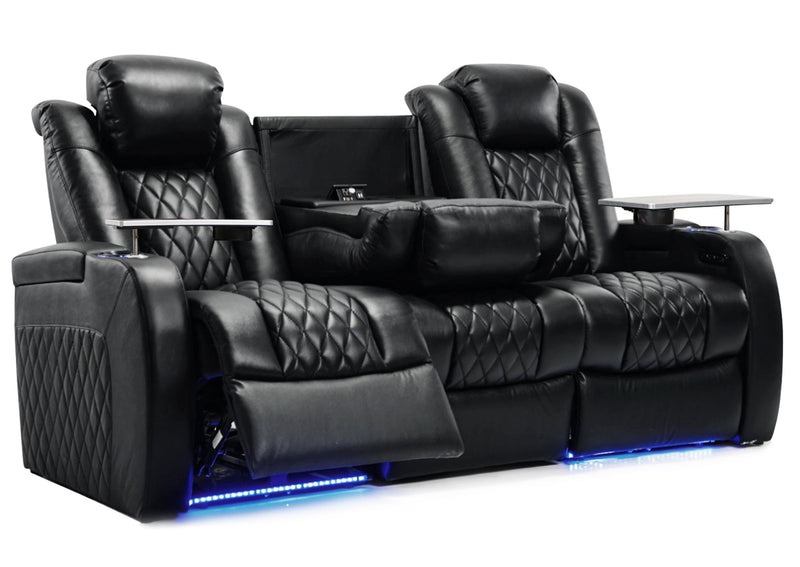
Type-C charging home theater chairs represent the convergence of furniture design and modern technology, purpose-built for viewers who refuse to compromise between comfort and connectivity. These aren’t simply traditional seats with a port awkwardly bolted on—they’re ground-up redesigns that treat power delivery as a core feature rather than an afterthought. Manufacturers like Weilianda have been at the forefront of this approach, developing custom home theater seating that integrates Type-C technology directly into the armrest or side console, placing universal power exactly where your hands naturally rest. The result is a theater recliner that functions as both a luxurious viewing throne and a practical charging hub for every device in your ecosystem.
What Makes Type-C Charging Special?
USB Type-C represents a quantum leap over the older USB-A ports found in some earlier attempts at tech-integrated furniture. The reversible connector eliminates the fumbling frustration of plugging in cables in a darkened room—there’s no wrong way to insert it. More importantly, Type-C supports significantly faster charging speeds through Power Delivery protocols, meaning your phone can recover meaningful battery life during a single film rather than barely maintaining its charge.
The universal nature of Type-C is equally compelling: whether you’re powering an Android phone, an iPad, wireless earbuds, a Nintendo Switch, or noise-canceling headphones, a single port type handles them all. This eliminates the need for multiple cable types or adapters cluttering your viewing space, keeping your home theater clean and organized.
Integration with Modern Home Theater Systems
Beyond simple device charging, Type-C charging chairs are designed to complement sophisticated audio-visual environments. Many models feature cable management channels that route charging cables invisibly through the chair’s frame, preserving the sleek aesthetic of a dedicated cinema room. The chairs’ low-voltage electrical systems are engineered to produce zero electromagnetic interference, ensuring your surround sound system and wireless signals remain pristine.
Some advanced configurations even allow the Type-C ports to serve dual duty—charging devices while simultaneously connecting to smart home controllers that adjust room lighting, sound levels, or screen settings from your seat. The adjustable headrest on these chairs is often positioned to work harmoniously with overhead speakers or Dolby Atmos configurations, ensuring that integrated technology enhances rather than compromises the acoustic experience you’ve invested in building.
Advanced Features for an Immersive Experience
What separates Type-C charging chairs from merely functional seating is the suite of advanced amenities engineered into every component. These chairs are designed for cinema enthusiasts who view their home theater as a holistic experience rather than just a screen and speakers. Every feature works in concert to create an environment where technology serves comfort, and comfort amplifies enjoyment. From ergonomic innovations that support your body through marathon viewing sessions to atmospheric touches that rival commercial cinemas, these theater recliners deliver on the promise of a truly immersive setup.
Enhanced Comfort with Adjustable Headrests
An adjustable headrest might sound like a minor detail until you’ve spent four hours with your neck craned at an awkward angle because a fixed headrest was designed for someone six inches taller. Type-C charging chairs typically feature headrests that move vertically and tilt forward or backward, allowing each viewer to find the precise position that supports their cervical spine while maintaining a natural sightline to the screen. This matters enormously for long sessions—proper head and neck alignment reduces fatigue, prevents tension headaches, and lets you stay focused on the story rather than shifting uncomfortably every twenty minutes.
Many models use memory foam or gel-infused padding that conforms to the shape of your head over time, creating a personalized fit that improves with use. For households where multiple family members share the theater, the ability to quickly readjust the headrest between viewers means everyone gets a custom experience without needing separate chairs.
Creating Atmosphere with Ambient Lighting
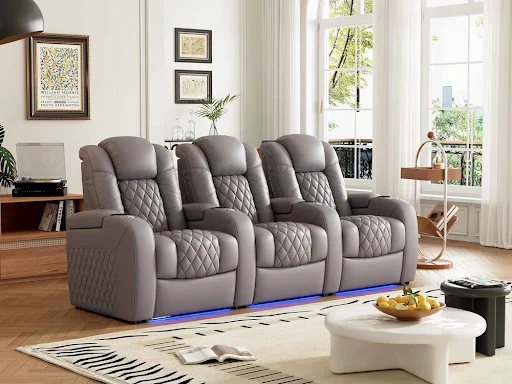
Ambient lighting built into the base or armrests of modern theater chairs transforms the visual character of your cinema room. These low-intensity LED strips typically offer a spectrum of color options that can be matched to your room’s décor, your mood, or even the genre of film you’re watching—cool blues for a thriller, warm ambers for a classic drama. Beyond aesthetics, ambient lighting serves a practical function by providing just enough illumination to navigate safely without disrupting the projected image on screen.
Many systems allow dimming control or can be synced with smart home platforms, so the lights automatically soften when you press play and brighten gently when you pause. This kind of thoughtful integration turns your seating into an active participant in the cinematic atmosphere rather than a passive piece of furniture sitting in the dark.
Convenience of Built-in Charging Ports
The built-in USB charging ports on these chairs—anchored by Type-C but often including a legacy USB-A port as well—eliminate the cable chaos that plagues most entertainment spaces. Positioned within the armrest console, the ports sit at natural hand height so you can plug in a device without looking away from the screen. This placement also means cables stay short and contained rather than snaking across floors where they become tripping hazards or visual distractions.
For families juggling multiple devices during a movie night—phones, tablets, portable gaming consoles, wireless headphone cases—having dedicated charging access at every seat prevents the inevitable argument over who gets the one available outlet. The practical result is a cleaner room, fewer interruptions, and the confidence that every device will be fully charged by the time the credits roll.
Customizable Seating Configurations for Personalization
One of the most compelling advantages Type-C charging chairs hold over traditional theater seating is the depth of customization available to homeowners. While conventional cinema seats typically come in fixed rows with identical spacing, modern charging chairs embrace modular design philosophies that let you build a seating arrangement as unique as your room and viewing habits.
Material options range from genuine leather and high-grade synthetics to breathable fabric blends, each available in dozens of colors to complement your existing décor. Layout flexibility means you’re no longer constrained by straight-line thinking—curved arrangements, staggered platforms, and asymmetric groupings all become possible when chairs are designed as individual units that connect and reconfigure at will.
Tailoring to Your Space and Preferences
Start by measuring your room’s usable floor area, accounting for screen distance, speaker placement, and walking paths between rows. Consider how many viewers typically share the space—a couple might prefer a loveseat configuration with a shared center console featuring dual Type-C ports, while a family of five might opt for a staggered two-row setup with individual armrest consoles.
Recliner angle matters too: if your screen is mounted high, a deeper recline keeps the viewing angle comfortable, whereas a lower screen works best with a more upright position. Choose chairs that offer power recline with multiple stop points so each viewer can fine-tune their posture independently without disturbing anyone else in the row.
Examples of Popular Setup Options
The most requested configuration among home theater owners is the curved single row, which angles end seats slightly inward to reduce off-axis viewing and places every occupant at a more equal distance from the screen’s center. For larger rooms, a two-tier straight layout with risers gives rear-row viewers unobstructed sightlines while doubling seating capacity.
Integrated center consoles between seats serve as charging stations housing Type-C and USB-A ports alongside cup holders and hidden storage compartments for remotes and snacks. Some enthusiasts opt for a hybrid approach—pairing two theater recliners with a chaise-style lounger at one end, creating a casual yet functional arrangement that accommodates both upright viewing and full relaxation without sacrificing access to built-in power.
Practical Solutions: How to Upgrade to Type-C Charging Chairs
Making the transition from traditional theater seating to Type-C charging chairs doesn’t require a complete room overhaul, but it does benefit from thoughtful planning. The process becomes straightforward when you break it into manageable decisions, starting with an honest assessment of your current setup’s shortcomings and ending with a fully integrated seating arrangement that elevates every movie night.
Step-by-Step Guide to Choosing Your Chair
Begin by identifying what frustrates you most about your current seating—is it the lack of charging access, insufficient recline options, or a layout that wastes space? This priority list will guide every subsequent decision. Next, establish a realistic budget that accounts for the number of seats you need, keeping in mind that investing in fewer high-quality chairs often delivers more satisfaction than filling a room with basic models. Once your budget is set, create a feature checklist: Type-C charging ports should be non-negotiable, but decide whether ambient lighting, power recline, adjustable headrests, and memory foam padding are essentials or nice-to-haves for your household.
Research models by reading verified buyer reviews from people with similar room dimensions and viewing habits, paying close attention to comments about long-term durability and charging port reliability. If possible, visit a showroom to test recline depth, cushion firmness, and armrest width in person before committing—comfort is subjective, and what looks perfect online may not suit your body type.
Installation and Setup Tips for Optimal Use
Before your chairs arrive, prepare the room by mapping out exact placement using painter’s tape on the floor, confirming that each seat has adequate clearance for full recline without hitting walls or rear-row furniture. Ensure a power source is accessible for each seat’s motorized features—many homeowners find it worthwhile to hire an electrician to install recessed floor outlets that keep power cables completely hidden.
During assembly, follow the manufacturer’s sequence precisely, as connecting modular sections out of order can misalign charging port wiring or console mechanisms. Once assembled, test every Type-C port with your most commonly used devices to verify charging speeds and confirm that cables route cleanly through the built-in management channels. Finally, integrate your chairs with your home theater control system by syncing ambient lighting to your media player or smart hub, so the entire room responds as a unified environment the moment you settle in and press play.
Upgrade Your Home Theater with Smarter, Connected Seating
The gap between traditional theater seating and the demands of modern entertainment has never been wider. Type-C charging chairs bridge that divide by delivering what conventional seats simply cannot—universal fast charging at your fingertips, ergonomic adjustable headrests that support hours of comfortable viewing, ambient lighting that deepens cinematic immersion, and modular configurations that adapt to your room rather than forcing your room to adapt to them. These chairs recognize that today’s home theater experience extends beyond the screen, encompassing every device, every comfort preference, and every atmospheric detail that makes a movie night feel truly special. For cinema enthusiasts who have invested in premium audio-visual equipment, upgrading to seating that matches that level of sophistication is a logical and rewarding next step.
The customization options ensure that no two setups need look alike, giving you a theater space that reflects your personal taste and viewing habits. As device ecosystems continue to standardize around Type-C connectivity, choosing chairs built around this technology—from established interior furniture specialists like Weilianda and others in the space—means your home theater remains relevant and functional for years to come. Now is the time to move beyond the limitations of outdated seating and embrace a smarter, more connected way to enjoy the films and shows you love.
Don’t stop here—there’s a whole world to see at 2A Magazine.