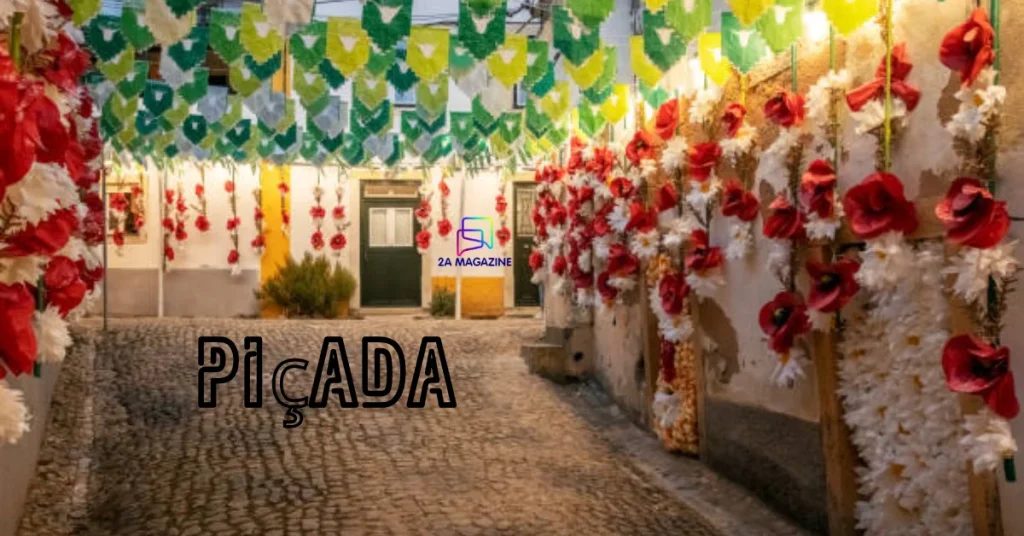
Introduction to Piçada and its cultural significance
In the heart of Portuguese culture lies a delightful tradition known as piçada. This vibrant practice is more than just a culinary experience; it’s a celebration of community, connection, and heritage. Imagine gathering around with friends and family, sharing stories while savoring delicious flavors that echo centuries of history. Piçada embodies these moments, transforming them into lasting memories.
As we delve into this fascinating art form, you’ll discover how piçada reflects the rich tapestry of Portuguese life. From its historical roots to the modern-day interpretations that continue to bring people together, this exploration promises to ignite your passion for cultural appreciation—no matter where you are in the world. Get ready to uncover the essence of piçada and see how this beloved tradition can enrich your own life!
The Origins of Piçada: A Brief History
Piçada has roots deeply intertwined with Portuguese history. Its origins can be traced back to rural communities, where it served as a practical solution for sharing meals during communal gatherings.
Historically, piçada was not just about food; it was an expression of hospitality and togetherness. Farmers would use whatever ingredients were available from their land, creating dishes that celebrated the seasonality of produce. This practicality transformed into a cherished tradition over time.
As Portugal’s culture evolved through exploration and trade, piçada adapted with new spices and influences from distant lands. Each region added its unique twist, making this dish reflect local flavors and cooking techniques.
This culinary art form became more than sustenance; it symbolized community bonds. The act of preparing and enjoying piçada is a testament to the enduring spirit of connection within Portuguese culture.
The Rituals and Traditions Associated with Piçada
Piçada is steeped in rich rituals that celebrate its essence. Historically, these meetups are defined by mutual tales and joy, fostering a spirited environment. Friends and family come together not just to eat but to bond over food.
The preparation of piçada itself often involves communal effort. Everyone pitches in, whether it’s gathering ingredients or cooking side dishes. This collaboration fosters a deep sense of belonging.
During the meal, it’s customary to raise glasses for toasts. Each toast carries meaning—celebrating life events or simply appreciating each other’s company.
Another unique aspect is the storytelling intertwined with the meals. Elders share tales from their past while younger generations listen intently, passing down cultural wisdom through generations.
These traditions make every piçada memorable, anchoring it firmly within Portuguese culture as more than just a meal—it becomes an experience filled with connection and memory-making.
The Art of Making and Serving Piçada
Creating piçada is a delicate dance of flavors and textures. It begins with choosing the right ingredients, often fresh and locally sourced. The base is typically made from hearty bread, which serves as the canvas for this delicious masterpiece.
Next comes the layering of toppings. Traditionally, cured meats like chorizo or presunto add depth. Fresh vegetables bring a crunch that contrasts beautifully with softer elements like cheese or spreads.
Serving piçada takes care too. Presentation matters; arranging each component artfully encourages appreciation before indulging. Many prefer to serve it on rustic wooden boards for an authentic touch.
Pairing piçada with local wines enhances the experience further, inviting conversation and delight at every bite. It’s not just about food; it’s about sharing stories and creating memories around the table, making each gathering special in its own right.
Modern Interpretations and Variations of Piçada
In recent years, piçada has experienced a renaissance of sorts. Chefs and home cooks alike are reimagining this traditional dish with fresh ingredients and contemporary techniques.
Some have chosen to incorporate fusion elements, blending flavors from international cuisines while still respecting the essence of piçada. Think spicy chorizo mixed with classic Portuguese spices or even vegetarian variations that celebrate local produce.
Social media also plays a significant role in this evolution. Food enthusiasts share their innovative takes on piçada, inspiring others to experiment in their kitchens.
Restaurants across Portugal now feature artisanal versions of piçada, showcasing regional specialties like smoked meats or unique sauces. These adaptations highlight not only creativity but also the adaptability of cultural dishes in modern culinary landscapes.
As more people embrace diverse cooking styles, piçada continues to evolve while remaining a symbol of connection among those who cherish its rich heritage.
How Piçada Brings People Together: Community and Connection
Piçada is more than just a culinary delight; it’s a bridge that connects communities. When families gather to enjoy this traditional dish, laughter and stories fill the air.
The act of sharing piçada creates bonds between generations. Grandparents pass down recipes while children eagerly learn the art of preparation. This exchange fosters a sense of belonging and heritage.
Local festivals often feature piçada as a centerpiece, uniting neighbors in celebration. Food stalls buzz with excitement as people sample various interpretations, sparking conversations among friends and strangers alike.
Even casual gatherings become memorable when piçada takes center stage. Its rich flavors inspire discussions about culture and tradition, weaving connections that go beyond the meal itself.
At its heart, piçada embodies hospitality—a welcoming gesture inviting everyone to partake in something special together.
Incorporating Piçada into Everyday Life: Tips for Embracing Portuguese Culture
Incorporating piçada’s into your daily routine can be a delightful way to embrace Portuguese culture. Start by experimenting with simple recipes at home. Gather fresh ingredients and create your own versions of this traditional dish.
Invite friends for a casual gathering where everyone contributes to the meal. This not only fosters connection but also allows for creativity in crafting unique flavors together.
Explore local markets or shops that specialize in Portuguese goods. Stock up on essential items like olives, cheeses, and cured meats to elevate your culinary experience.
Consider hosting themed nights centered around piçada’s, complete with music and decor inspired by Portugal. This makes for an enjoyable evening filled with laughter and good food.
Share stories about the origins of piçada’s with others as you enjoy the dish together. It’s a wonderful way to keep cultural traditions alive while making lasting memories.
Conclusion
Piçada is more than just a culinary tradition; it embodies the spirit of Portuguese culture. From its rich history to the warmth of community gatherings, piçada’s has evolved while retaining its essence. By understanding the rituals and art behind preparing and serving this dish, one can appreciate the deep connections it fosters among people.
Integrating piçada into daily life encourages exploration of Portuguese heritage. Whether through hosting your own gathering or experimenting with recipes at home, embracing this tradition opens doors to new experiences. The joy that comes from sharing food builds bridges between generations, cultures, and communities.
As you discover piçada’s layers—its flavors, stories, and communal significance—you’ll find yourself partaking in something truly special within Portuguese culture.