A home interior design can look beautiful yet still feel awkward to move through. That awkwardness is often noticed during daily routines when simple tasks feel unnecessarily complicated. There is a why-does-this-feel-so-cluttered kind of frustration that builds when movement is restricted. Rooms may appear well-designed, yet transitions between them feel disconnected.
Flow is not about decoration, it is about how space functions in real time. Interior design is influenced by layout, furniture placement and how pathways are created. When flow is poor, energy feels blocked and movement becomes inefficient.
A well-designed home allows movement to feel natural and uninterrupted. Spaces should guide movement rather than resist it. That guidance is achieved through thoughtful planning and intentional design decisions – decisions that consider how people actually live.
Why should movement feel forced in a space meant for comfort? That question highlights the importance of flow.
Improving flow is not about removing everything. It is about aligning design with purpose so that each area supports the next.
Layout Decisions That Quietly Change Everything
Layout forms the backbone of how a home functions. Interior design determine how spaces connect and how easily movement occurs between them. When layouts are poorly planned, even the best décor cannot fix the issue.
Walls, doorways and open areas must be considered carefully. Each element influences how space is experienced. In many cases, working with an interior remodeling company becomes a practical step when structural adjustments are needed to improve flow. These changes allow spaces to open up and connect more naturally.
Furniture placement also plays a major role. Large pieces should not block pathways or create tight corners. Instead, they should define spaces while allowing movement to continue smoothly.
Consider a living area where furniture is arranged without clear pathways. Movement becomes restricted and the space feels smaller than it actually is. After rearranging the layout, pathways open up – and the entire room feels more functional.
Lighting placement also influences flow. Well-lit pathways guide movement and create a sense of openness. Dark corners, on the other hand, disrupt movement and reduce usability.
Is a room truly functional if movement feels restricted? That question often reveals the need for layout adjustments.
Space Planning That Makes Rooms Work Together
Rooms should not feel isolated from one another. They should work together as part of a cohesive system. This connection is achieved through intentional space planning.
Each room must have a clear purpose, yet it should also support adjacent spaces. When functions overlap without clarity, confusion is created. Interior design confusion affects how the home is used daily.
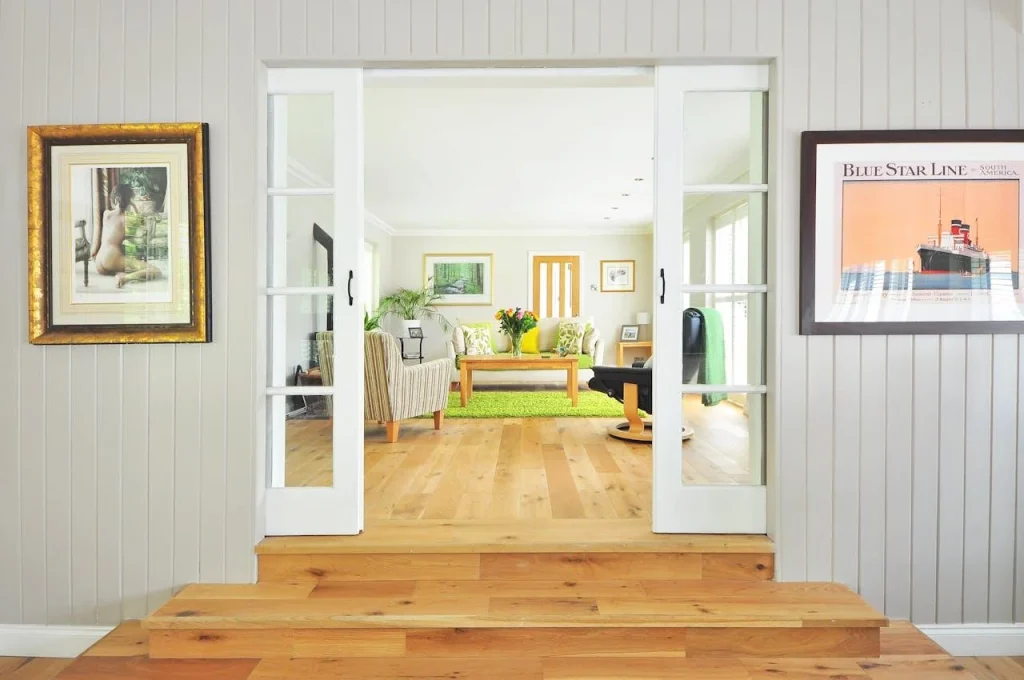
Transitions between rooms should feel natural. Flooring, color schemes and design elements should create continuity. When these elements align, movement feels smoother and more intuitive – and the home feels more unified.
A scenario illustrates this clearly. A dining area is placed too close to a main walkway, causing constant interruptions during meals. By adjusting its position and redefining boundaries, the space becomes more functional. Movement continues without disruption and the dining area feels more comfortable.
Space planning also involves understanding scale. Oversized furniture can overwhelm a room, while undersized pieces may fail to define it. Balance is essential for maintaining flow.
Why should rooms compete for space when they can complement each other? That perspective shifts how layouts are approached.
Practical Design Moves That Improve Flow Instantly
Improving flow does not always require major renovations. Small, intentional changes can make a significant difference.
Key adjustments include:
- Creating clear pathways by removing unnecessary furniture
- Using rugs to define zones without blocking movement
- Positioning seating to encourage interaction while maintaining access
- Incorporating multi-functional furniture to reduce clutter
- Aligning lighting to highlight pathways and key areas
These changes focus on function first. When function improves, aesthetics follow naturally.
Consistency is important when applying these adjustments – and each change should support the overall flow rather than disrupt it.
Clutter management also plays a role. Excess items create visual noise and restrict movement. Reducing clutter opens up space and improves usability.
Details That Shape How A Home Feels Daily
Small details often have a larger impact than expected. Door swings, handle placements and storage solutions all influence flow. When these elements are overlooked, movement becomes less efficient.
Storage should be accessible and strategically placed. Items used frequently should be within easy reach. This reduces unnecessary movement and keeps spaces organized.
Color and texture also contribute to how flow is perceived. Light colors create a sense of openness, while darker tones can make spaces feel more enclosed. When used thoughtfully, these elements guide movement visually.
Maintenance also affects how a home functions. Issues related to home repairs, such as uneven flooring or sticking doors, can disrupt movement. Addressing these problems ensures that flow remains consistent over time.
A scenario helps illustrate this. A hallway with uneven flooring causes hesitation during movement. Once repaired, movement becomes smoother and the space feels more reliable. Details may seem minor here – yet they influence daily experiences significantly.
Are small disruptions being ignored simply because they seem insignificant? Over time, those disruptions affect overall comfort.
Flow That Feels Natural Without Effort
A home with good flow does not draw attention to itself. Movement feels natural and transitions happen without effort. This ease is the result of thoughtful design rather than chance.
Intentional choices create this experience. Layout adjustments, furniture placement and consistent design elements all contribute. When these factors align, the home supports daily routines effortlessly.
Flow is not about perfection. It is about functionality that adapts to real-life needs. Spaces should feel comfortable, accessible – and easy to use.
Consistency in design ensures that flow is maintained over time. As needs change, adjustments can be made to preserve functionality. This adaptability keeps the home efficient and enjoyable.
What defines a well-designed home? It is not just appearance. It is how easily it can be lived in.
In the end, improving flow is about creating a space that works with daily life rather than against it – a space where movement feels natural and every area serves a purpose.