Key Highlights
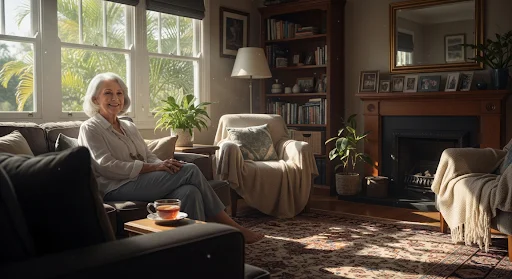
- Home-first aged care in Brisbane prioritizes keeping you comfortable and independent in your own home.
- A wide range of support services, from personal care to clinical nursing, are tailored to your unique needs.
- Modern home care allows you to maintain connections with your community, family, and familiar surroundings.
- Choosing the right provider involves considering their experience, the quality of their staff, and their care monitoring systems.
- Government funding, like Home Care Packages, can help manage the costs of receiving quality aged care at home.
- Assistive technology and home modifications further enhance safety and well-being, promoting a better quality of life.
Introduction
Staying in your home as you age is now easier with modern aged care services in Brisbane. The “home-first” approach provides quality care and support, helping you live comfortably and independently in a familiar setting. Home care is personalized to your routine, so you can keep enjoying life where you belong.
Understanding Home‑First Aged Care in Brisbane
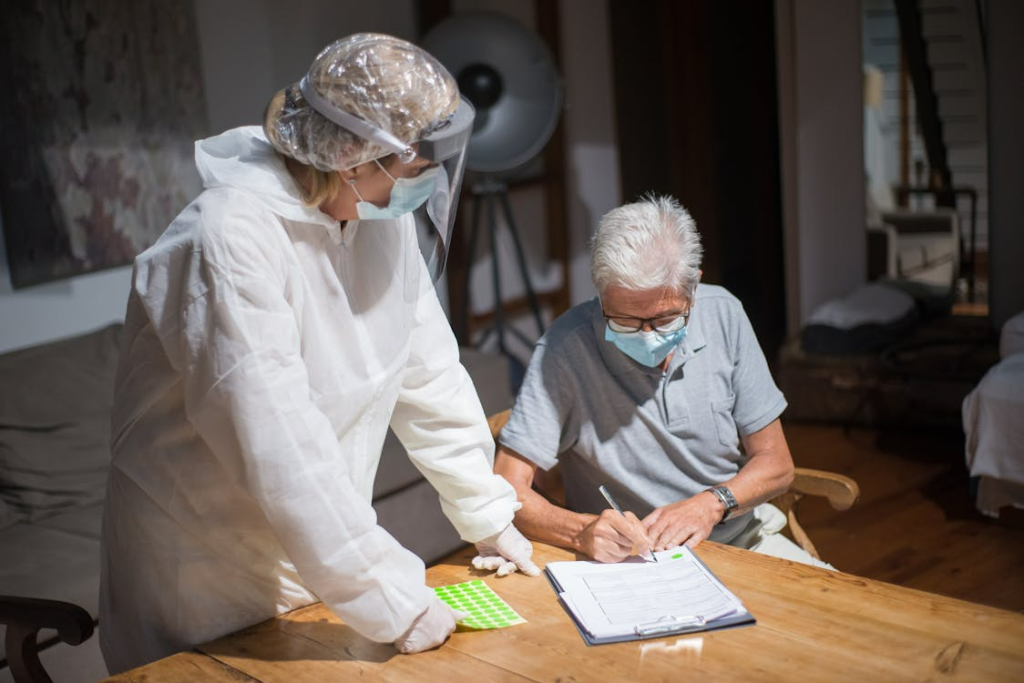
Home-first aged care in Brisbane focuses on helping older adults live safely and comfortably in their own homes. This approach prioritizes independence and community connection, delivering care services directly to you instead of requiring a move to a facility.
In Brisbane, providers offer personalized support—from daily tasks to clinical care—based on your needs. The Australian government also backs this model, emphasizing the value of aging in place. Its flexibility ensures your care adapts as your needs evolve.
What Home-First Means for Brisbane Seniors
For seniors in Brisbane, a home-first approach keeps you independent and connected to your community. Enjoy South Bank, meet friends at New Farm cafes, or relax in the Mount Coot-tha Botanical Gardens—all while receiving personalized support.
Home care honors your choices and gives you and your family peace of mind. With compassionate support, you can focus on living well and staying engaged with your home and community for better well-being.
Differences Between Support at Home and Residential Aged Care
The main difference between support at home and residential aged care is the environment and level of independence.
Support at home lets you receive personalized care in your own space, preserving your routines and autonomy. Residential aged care provides 24/7 supervision in a communal setting, with structured schedules and less personal freedom. Home care is tailored to individual needs, while residential care tends to be more standardized.
Here’s a quick comparison:
| Feature | Support at Home | Residential Aged Care |
| Location | Your own home and community | Dedicated aged care facility |
| Independence | High autonomy and daily control | Structured routines, less freedom |
| Care Plan | Personalized and flexible | Standardized for many residents |
| Community | Stay connected to familiar networks | New, facility-based community |
Types of In‑Home Support Services Available
In-home aged care offers a variety of services to support older adults, helping them stay safe and comfortable at home. Services include personal care, domestic assistance, and clinical support. This flexible approach allows care plans to adapt as needs change. Here’s a closer look at these services.
Personal and Daily Living Assistance
In-home support helps you maintain independence by assisting with daily tasks as needed, while respecting your routines.
Services include:
- Personal Care: Bathing, dressing, and mobility assistance.
- Domestic Help: Light housekeeping, laundry, and shopping.
- Meal Preparation: Cooking or arranging meal delivery.
- Social Support & Transport: Getting to appointments and community activities.
Health, Nursing, and Clinical Care at Home
For those with complex health needs, clinical care can be delivered directly at home, removing the stress of frequent clinic or hospital visits. Services include medication management and specialized nursing care.
Qualified nurses and allied health professionals provide comprehensive support for post-hospital recovery, chronic condition management, and palliative care—ensuring effective health management in a comfortable environment.
Home-based clinical and nursing care offers coordinated support for your well-being. Restorative care from physiotherapists or occupational therapists may also be included, helping you maintain optimal health while living independently.
Choosing the Right Home Care Provider in Brisbane
Selecting the right home care provider in Brisbane impacts your quality of care and daily life. Choose one that offers needed services and shares your values. Top providers listen, create flexible care plans, and are transparent, trustworthy, and committed to helping you thrive at home. Consider these key factors when making your choice.
Key Factors to Consider When Selecting a Provider
When choosing a home care provider, prioritize factors that enhance quality of life. Select one who understands your needs and has a proven track record. Ask questions and gather information.
Consider their experience and reputation in Brisbane. Look for qualified staff and consistent care, which foster lasting relationships with support workers. Providers who invest in staff training and technology demonstrate a commitment to quality.
Key factors:
- Helper Matching: Do they pair you with reliable support workers?
- Care Monitoring: Do they use technology for health tracking and early intervention?
- Flexibility: Can you choose between fully managed or self-managed services?
- Staff Qualifications: Are staff fully qualified and regularly trained?
How to Ensure Quality and Trust in Home Care Services
Building trust with your home care provider ensures quality care and peace of mind. Trust begins with transparency—look for providers who offer free, no-obligation consultations to discuss your needs.
Choose providers who use technology to keep families informed, such as in-app notebooks for real-time updates. These tools foster connection and reflect high-quality care.
Trust deepens with consistent, reliable, and compassionate support. Select a provider committed to long-term relationships, where you feel heard, respected, and cared for—so you can be confident in your choice.
Costs and Funding for Home‑First Aged Care in Brisbane
Understanding the costs of home-first aged care is essential for future planning. Fees vary based on your support needs and chosen provider, but government support can help manage expenses.
Review your finances and funding options early. Many qualify for government-funded packages that lower out-of-pocket costs. Services Australia offers eligibility information, making quality care more accessible.
Overview of Fees and Inclusions
The cost of at-home aged care depends on whether you use government-funded Home Care Packages or pay privately. Home Care Packages offer different funding levels based on your needs and cover services like personal care and nursing.
Private services offer flexibility, can supplement a government package, or be used alone if you’re not eligible for funding. Fees vary by provider, service type, and frequency.
Summary:
| Funding Source | Common Inclusions | Cost Structure |
| Home Care Package | Personal care, domestic help, nursing, allied health | Government subsidy plus possible income-tested and basic daily fees |
| Private Services | Fully tailored to your needs and schedule | Fee-for-service, paid directly by you |
| CHSP | Basic support: meals, transport, social activities | Government subsidized with a small co-payment per service |
Accessing Government and Community Support
The Australian Government offers strong support to help older adults stay at home. To access this, start with an aged care assessment by an Aged Care Assessment Team (ACAT), which determines your eligibility for programs like the Commonwealth Home Support Programme (CHSP) or a Home Care Package.
CHSP provides basic help with daily tasks, while Home Care Packages offer more comprehensive care for complex needs. Services Australia can guide you through the application and explain financial assistance.
To get started:
- Contact My Aged Care to request an assessment.
- Use the online eligibility checker on the My Aged Care website.
- Talk to potential home care providers for advice.
- Check local councils and organizations in Brisbane for community support.
Promoting Independence and Wellbeing at Home
Modern in-home support does more than manage tasks—it fosters independence, well-being, and a high quality of life for older adults. The goal is to empower you to live fully at home by leveraging your strengths.
Smart solutions and strong social connections make daily life safer, easier, and more enjoyable. Assistive technologies provide peace of mind, while support services encourage community engagement so you can thrive. The following sections demonstrate how these approaches work in practice.
Assistive Technology and Home Modifications
Assistive technology boosts safety and independence at home, from personal alarms to smart devices that monitor well-being and alert support when needed. These tools provide peace of mind by ensuring help is always available.
Home modifications are vital for safety. An occupational therapy assessment can recommend changes like grab rails, better lighting, or ramps to make your home more accessible. Even small repairs can prevent accidents.
Practical solutions include:
- Personal Alarms: Wearable devices for emergency help.
- Automated Medication Dispensers: Remind you to take medication on time.
- Sensor Technology: Detects falls or routine changes for proactive care.
- Accessibility Modifications: Ramps and rails to prevent falls and improve mobility.
Social Connections and Community Engagement
Maintaining social connections is essential for emotional well-being. In-home care services in Brisbane support this by providing transportation and companionship for social activities. Whether you’re visiting friends or joining community events, a support worker keeps you engaged.
Staying socially active helps prevent loneliness and isolation, which can impact your health. Home care addresses both your basic needs and strengthens your community ties.
A quality provider values your overall health by including social support in your care plan to ensure regular engagement. This holistic approach helps you enjoy a vibrant, fulfilling life at home.
Conclusion
In conclusion, Home-First aged care in Brisbane empowers seniors to stay independent at home with personalized support. Tailored services—from daily help to nursing care—let individuals thrive in familiar surroundings. Understanding costs and funding makes these services accessible without financial strain. Home-First care also improves mental well-being by fostering social connections. To learn more, contact us today.
Dig deeper: Our full archive of growth hacks is waiting for you at 2A Magazine.