Introduction
Visual content has become central to how businesses communicate, market, and sell. From social media campaigns to e-commerce listings, the demand for high-quality images continues to grow at a rapid pace. However, traditional design processes can be time-consuming, resource-heavy, and often difficult to scale.
This shift has led to the rise of AI-powered image generation tools, which are transforming how creative teams operate. Instead of relying solely on manual design or stock libraries, professionals are now exploring smarter ways to produce visuals quickly while maintaining quality. As organizations look for efficiency without sacrificing creativity, AI image generation is emerging as a practical solution to modern content challenges.
The Growing Demand for Scalable Visual Content
In today’s digital landscape, businesses are expected to produce a constant stream of visual content. Marketing teams need graphics for ads, social media posts, landing pages, and email campaigns—often all at once. This growing demand has made scalability a key concern.
Traditional workflows struggle to keep up because they depend heavily on human resources and time-intensive processes. Designers may face bottlenecks when multiple projects overlap, leading to delays and inconsistent output.
AI image generation addresses this issue by enabling teams to create visuals on demand. With simple text prompts or reference images, users can generate multiple variations in minutes. This flexibility allows companies to test creative ideas faster and adapt to changing trends without overburdening their teams.
Enhancing Creativity Through AI Tools
One of the most interesting aspects of AI image generation is how it supports—not replaces—human creativity. Instead of starting from scratch, designers can use AI to generate concepts, explore styles, and refine ideas more efficiently.
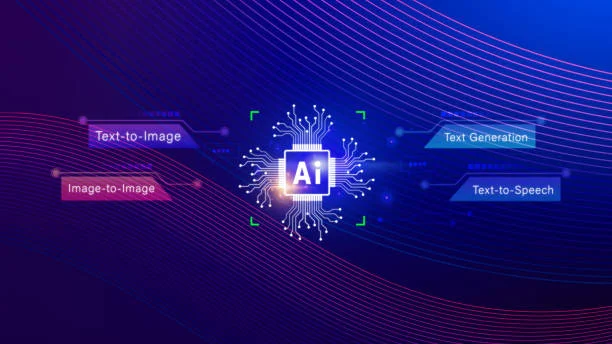
Platforms like Image 2 demonstrate how multiple image generation models can be brought together into a single workflow. This approach allows users to experiment with different visual styles, whether they are creating marketing creatives, product visuals, or social media graphics.
By reducing the time spent on repetitive tasks, AI tools free up creative professionals to focus on higher-level thinking. Brainstorming, storytelling, and brand consistency become easier to manage when the technical workload is streamlined.
Practical Use Cases Across Industries
AI-generated imagery is not limited to a single industry. Its applications span across multiple sectors, each benefiting in unique ways.
In e-commerce, businesses can quickly generate product images, lifestyle visuals, and promotional banners without organizing costly photoshoots. This is especially useful for small teams looking to maintain a professional online presence.
Marketing teams use AI to create ad variations, test different visual approaches, and optimize campaigns. Instead of relying on a single design, they can produce multiple options and identify what resonates most with their audience.
Designers and content creators also use AI for inspiration. Whether it’s experimenting with color schemes or generating concept art, AI tools help accelerate the ideation process and reduce creative blocks.
Streamlining Workflow Efficiency
Efficiency is one of the main reasons organizations are adopting AI-driven solutions. By automating parts of the creative process, teams can reduce turnaround times and improve overall productivity.
AI tools integrate well into existing workflows, allowing users to move from concept to execution more smoothly. For example, a marketer can generate initial visuals, refine them, and prepare them for publishing—all within a shorter timeframe.
This streamlined approach also supports collaboration. Teams can share generated images, iterate quickly, and align on creative direction without long feedback cycles. As a result, projects move forward faster, and teams can focus on delivering consistent results.
The Future of AI in Visual Content Creation
As AI technology continues to evolve, its role in visual content creation is expected to expand. Future tools may offer more advanced customization, better understanding of brand guidelines, and improved integration with other creative platforms.
However, the human element will remain essential. Creativity, storytelling, and strategic thinking cannot be fully automated. Instead, AI will continue to act as a powerful assistant—helping professionals work smarter and more efficiently.
Businesses that embrace this balance between technology and creativity are likely to stay ahead in an increasingly competitive digital environment.
Conclusion
AI image generation is redefining how visual content is created and delivered. By addressing challenges such as scalability, efficiency, and creative limitations, it offers a practical solution for modern teams.
From marketing campaigns to product visuals, AI tools are enabling faster production without compromising quality. Platforms that combine multiple capabilities into a unified experience are particularly valuable, as they simplify workflows and enhance flexibility.
Looking ahead, the integration of AI into creative processes will continue to grow. Organizations that adopt these tools thoughtfully—while maintaining a strong creative vision—will be better positioned to meet future demands and deliver impactful visual experiences.