Dental care has changed quite a bit over the last few decades. Patients used to expect dark metal fillings or bulky crowns that were easy to spot when they smiled.
Modern restorations are much different and focus on blending in with your natural teeth. You can now get help that looks great and feels strong without the old drawbacks of traditional methods.
Shifting From Metal To Ceramic
Old dental work often used silver amalgams or gold alloys to fix cavities. These materials worked well – but they looked out of place against white enamel. Patients often felt self-conscious about the dark spots in their mouths when they laughed or spoke.
Ceramic options now provide a way to match the exact shade of your existing teeth. Skilled lab technicians can mimic the way light passes through a natural tooth. It makes the restoration almost invisible to the naked eye.
Resin composites are another popular choice for small repairs like chips or gaps. These materials bond directly to the tooth structure for a tight seal. Modern resins are stronger than they were in the past and resist wear from daily chewing.
The Precision Of Digital Scanning
Messy putty impressions are becoming a thing of the past in most modern clinics. Digital scanners create a 3D map of your mouth in just a few minutes using a handheld wand. It is much more comfortable for people with a sensitive gag reflex.
Many patients prefer these quick digital images over the old messy trays. Finding a dental implant specialist in Lincoln or your area is easier when you know they use top technology. This data allows for a custom fit that reduces the need for adjustments during your fitting.
Software can even show you what your smile will look like before the work begins. Seeing the final result early helps you feel more confident in the treatment plan. It takes the guesswork out of the design process for everyone involved.
Bioactive Materials And Tissue Health
Newer materials do more than just fill a hole in a tooth. Some are designed to interact with your body to help it stay healthy. These materials are part of a growing trend in restorative science.
A report from earlier in 2026 notes that the market for dental biomaterials is growing and focuses on bioactive options that help stimulate tissue regeneration. These smart materials can release minerals like calcium to strengthen the surrounding bone. It creates a better environment for the restoration to stay in place.
Restoration longevity increases when the underlying tooth stays healthy. It prevents decay from starting under a crown or bridge by maintaining a strong bond. Doctors can now choose materials that support the natural healing process of your mouth.
Computer-Aided Design In Modern Labs
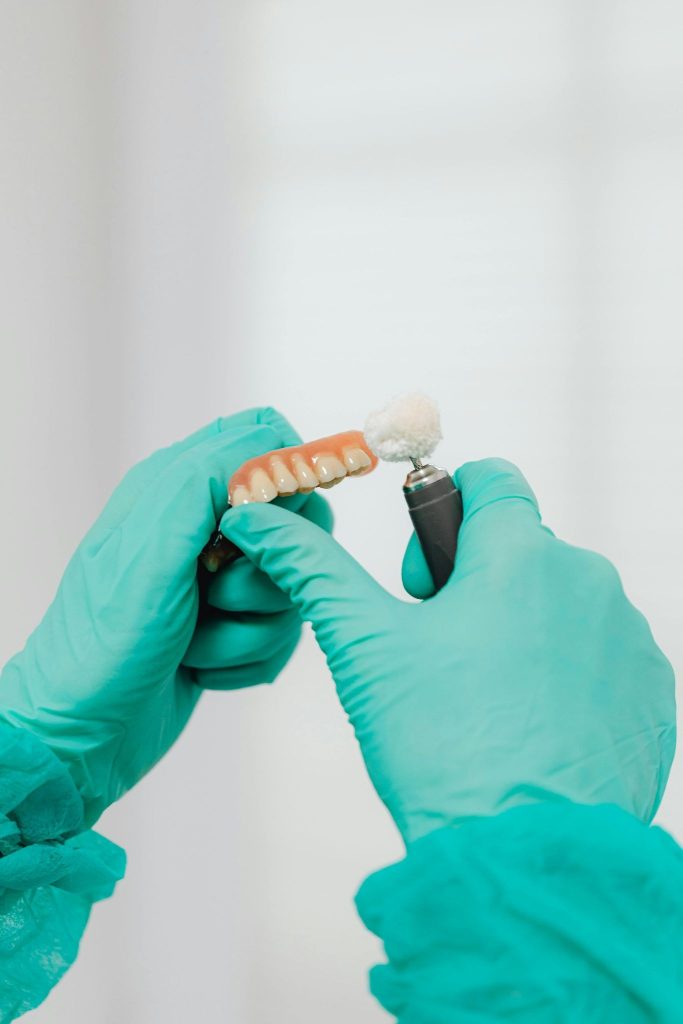
Once a scan is finished, the file goes to a computer for the design phase. Technicians use 3D modeling to craft the perfect shape for each specific patient. They can adjust the height and width of a tooth with incredible accuracy.
Robotic milling machines then carve the restoration out of a solid block of material. The precision of these machines is measured in microns. It results in a piece that fits perfectly against the gum line and neighboring teeth.
Some offices can even mill crowns on-site while you wait in the chair. It saves you a second trip to the dentist and gets you back to your routine faster. You leave the office with a permanent tooth instead of a temporary one.
Dental technology continues to improve every year to help people feel better about their health. You can now achieve a smile that looks natural and stays strong for a very long time.
Talking with a dentist about these design options is the best way to plan your next visit. High quality work makes it much easier to maintain your oral hygiene for life.
Find your next favorite read in our archives at 2A Magazine.