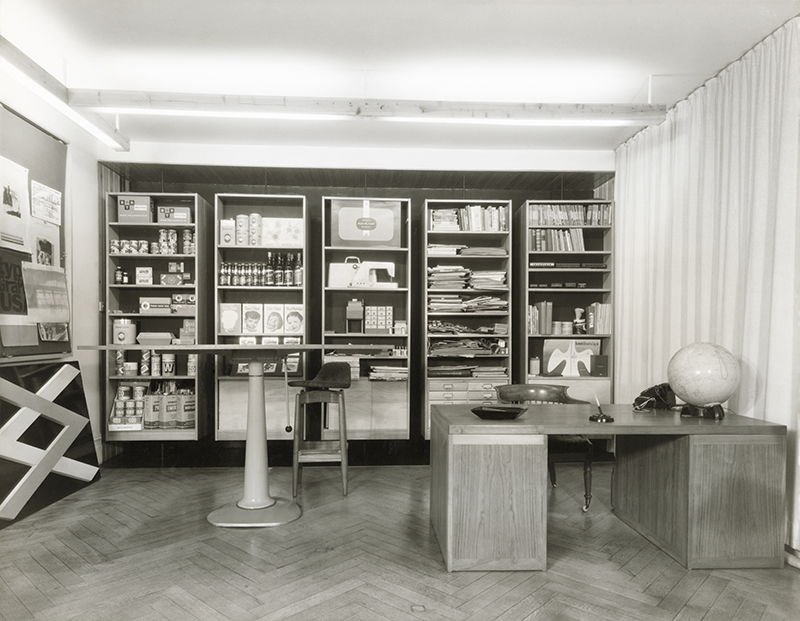
In modern design, things are changing. Fast production still exists, but more brands are starting to slow down and think about what they actually create. People are paying more attention to where ideas come from, how objects are made, and what meaning they carry.
This is where the concept of an archive studiobecomes relevant. It is not just a place where past collections are stored. It is a curated space where ideas, references, and objects are collected and reinterpreted over time.
This direction works as a living system. It connects past and present, allowing designers to build something new without losing depth.
What Does “Archive Studio” Actually Mean
At first glance, the term may sound technical. But its meaning is quite simple.
An archive studio is a space where design is developed through observation and selection. Instead of constantly creating from zero, designers return to existing forms, materials, and ideas.
This process is not about copying. It is more about rethinking things you already have in front of you. Small details, forgotten elements, and previous experiments become the starting point for new work.
As a result, the final pieces feel more connected and intentional.
From Storage to Concept: How Design Archives Evolved
Traditionally, archives were used for storage. They documented what had already been created.
Today, their role is different. Archives are active. They are used as a tool in the creative process.
Designers revisit earlier works, analyze shapes, and reinterpret ideas. This creates continuity. Instead of disconnected collections, there is a clear visual and conceptual line.
It also allows brands to stay consistent without becoming repetitive.
Why Archive-Based Design Feels More Personal
Objects created through this idea often become more personal.
There is a sense of history behind them. Even if the piece is new, it carries elements that have been refined over time.
This makes design less random. It becomes more thoughtful and layered.
Limited production also plays a role. Smaller quantities create a stronger connection between the object and the person who chooses it.
Jewelry as Part of the Archive Approach
Jewelry fits into this idea really easily. Small pieces, simple shapes, something you actually wear every day.
These are small objects, but they carry a lot of meaning. Shape, texture, and color all become important.
When jewelry is created through an archive way, it often feels more like a personal object than a trend piece. It may reference past designs, natural forms, or small symbolic elements.
This makes it easier to wear such pieces in everyday life. They do not feel excessive, but still have character.
Over time, these details start to matter more. A piece is no longer just an accessory — it becomes something you return to, something that holds a certain mood or memory.
How Archive Studios Shape Small-Batch Collections
The archive approach often leads to smaller, more focused collections.
Some common characteristics include:
limited quantities
attention to small details
experimental forms
storytelling through design
This process takes more time, but the result is more complete.
Why This Approach Is Becoming More Relevant Today
There is growing fatigue around fast fashion and mass production.
People are starting to look for things that feel more meaningful. Not necessarily more expensive, but more considered.
The archive approach responds to this shift. It slows the process down and brings attention back to quality, intention, and how things are made.
It also supports individuality. Instead of following trends, people can choose things that feel closer to their own taste.
Over time, this changes how we relate to вещи. They are no longer disposable, but something we keep, return to, and value differently.
In the end, an archive studio is not about the past. It is about how the past can shape the present in a more thoughtful way.
Did you find this article helpful? Visit more of our blogs.