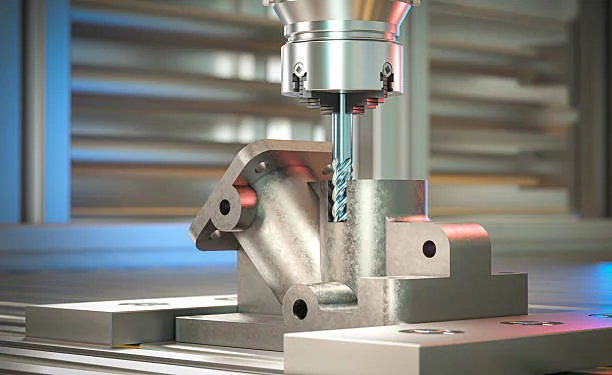
Hard-to-machine alloys are difficult not only to machine but also for engineers. Materials do not cut easily and cause too much heat. Under such challenging conditions, tool geometry is critical. The Tap relief angles affect the friction, wear, and thread accuracy. Their significance enhances the performance and life of the machine tools.
Understanding Hard-to-Machine Alloys
Other alloys are hard to machine as they are strong. Difficulties are created by titanium, stainless steel, and nickel alloys. These materials generate high heat during cutting. High pressure causes chips to be made randomly. These are the problematic conditions that the design of the tool has to deal with.
What Tap Relief Angles Are
The relief angles are seen at the back of the cutting edges. Such angles will ensure that tools do not rub on workpieces. When machining operations are involved, good clearance decreases friction. Tap relief geometry regulates the contact between the material and the tool. Right angles enhance the machining performance.
Importance of Reducing Friction
The hard alloys have a dramatic increase in friction. Friction leads to harmful heat in a short period of time. Relief angles reduce the contact of tools that are not necessary. The friction is reduced to facilitate smoother thread formation.—reduced resistance in the cushions, tool, and machine parts.
Heat Management During Tapping
Hard alloys generate a lot of heat when threading. Tapping tools wear out quickly under the influence of heat. The relief angles can be used to minimise the heat accumulation. Reduced heat will preserve tap geometry and strength. Machining reliability is enhanced by temperature control.
Impact on Tool Wear
Relief angles that are improperly positioned add to tool surface contact. When in excess, it will wear and dull. Efficient distributions of cutting loads are achieved with correct angles. Balanced geometry increases the service life of the tool. Prolonged existence of tools minimizes production hiccups.
Maintaining Thread Accuracy
Thread accuracy is based on regulated cutting geometry. Wrong angles bend thread profiles without difficulty. Right relief provides uniform cutting engagement. Proper threads enhance the reliability of the assembly. An optimized tool geometry is needed for machining precise parts.
Material Flow Control
Hard alloys are recalcitrant to deformation in the course of cutting. Angles of relief direct the flow of materials during tapping. Tearing or galling is avoided by controlled flow. Evacuation of the chips is made smooth and enhances machining stability. When threaded correctly, predictable results are possible.
Role in Specialized Pipe Tapping
A lot of industries use the pipe taps as a means of pressure. Proper threads are used to guarantee no leakage. Relief angles influence tapered threads. Appropriate geometry helps in sealing surfaces. The system integrity is safeguarded by precision tapping.
Influence on Cutting Forces
The hard materials pose sharp cutting forces in nature. Improper tool angles increase these forces. Relief angles facilitate the resistance to the tapping operations. Smaller forces look after machines and tools. The equilibrium loads enhance the machining efficiency.
Preventing Tool Breakage
Tap breakage imposes expensive disturbances on production. Hard alloys exert more stress on tapping tools. Wrong geometry elevates the risk of breakage enormously. Correct relief angles decrease the stress concentration points. High-pressure taps enhance the safety and efficiency of the shop.
Surface Finish Considerations
Thread surfaces influence the component performance and durability. Bad geometry gives rough finishes to threads. Surface quality is enhanced by smooth cutting. Angles of relief favor the formation of clean threads. More finishes enhance efficiency and reliability in assembling.
Tool Material and Coating Interaction
Relief angle also depends on tap materials. Hard finishes decrease friction and wear. Coated tools undergo longer under stress. Coatings are used in relief angles to achieve good results. The use of combined strategies enhances the durability of machining.
Production Efficiency Improvements
The manufacturing productivity is enhanced by effective tapping. Correct tool geometry minimises downtime and scrap. When they have good taps, the shops get more output. Regular machining eliminates inspection failures. Tapping strategies become optimized, which makes them more efficient.
Training and Machinist Knowledge
Operators have to be knowledgeable about the geometry of tools. Sophisticated machinists are aware of poor angle interference. Training enhances troubleshooting and setup practices. Knowledge is useful in the optimization of tapping operations. Experienced teams improve machining performance.
Strategic Tool Design Considerations
The modern tap designs use improved geometry. Angles of relief are dependent on materials and processes. Engineers design taps in a manner that they are used accurately. Design of strategic tools enhances consistency in machining. Technology Tapping technology with regard to tapping continues to be enhanced by innovation.
Conclusion
The angle of tap reliefs is very important in the machining of alloys. The right geometry minimizes friction, heat, and wear of tools. Controlled cutting conditions require accurate threads. Good taps enhance productivity and reliability of tap relief angles. Knowledge of relief angles enhances the machining behavior and production prosperity.
Spotlight Series: Elevate your strategy with this premium read at 2A Magazine.