Most viral internet phrases make immediate sense. You see them, you get them, you scroll on. But fkstrcghtc is different. It looks like a broken keyboard moment — a string of consonants crammed together with no obvious meaning. And yet, in 2026, it’s showing up across social platforms, comment sections, and digital usernames at a growing pace.
So what is it, really? Turns out, it’s not random at all.
What Does fkstrcghtc Actually Mean?
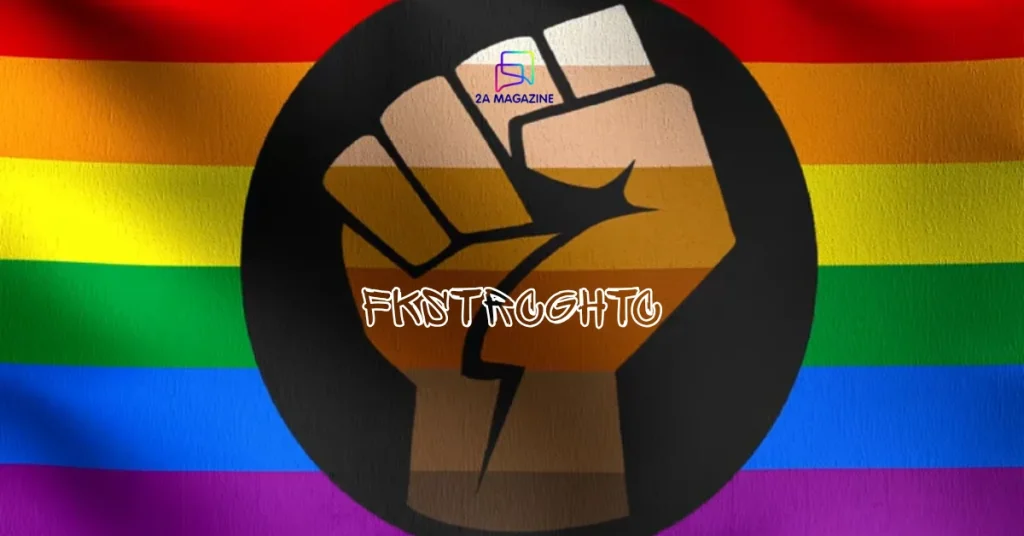
At its core, fkstrcghtc is a compressed, vowel-stripped version of a longer phrase: “f*ck straight culture.” The vowels are removed — a technique called consonant compression or text stripping — to make the phrase shareable across platforms that might otherwise flag or restrict it.
It’s a deliberate linguistic choice. By stripping out vowels, users preserve the meaning while dodging content filters. Think of it like speaking in code — not to be secretive, but to be free.
This kind of encoding isn’t new. Online communities have used vowel-dropping and letter substitution for years to express strong opinions without triggering algorithmic moderation. What makes fkstrcghtc notable is how it combines that technique with a very specific cultural stance.
The Culture Behind the Phrase
To understand why fkstrcghtc gained traction, you need to look at the broader conversation it steps into.
“Straight culture” — in the context this phrase addresses — refers to a set of social norms, expectations, and structures that center heterosexuality as the default. This includes things like:
- The assumption that everyone will eventually marry someone of the opposite gender
- Social pressure around gender expression and roles
- Institutional privileges tied to heterosexual relationships
- Pop culture and media that overwhelmingly centers straight narratives
fkstrcghtc, therefore, is a rejection of those defaults. It’s not necessarily an attack on straight individuals — most people who use it are quick to clarify that. It’s a pushback against structures, not people.
As one cultural commentator put it, “These compressed phrases act as banners. They let communities signal solidarity without writing an essay every time.”
How It Spreads: Digital Identity and Platform Culture
Here’s where the digital branding angle gets interesting. Because fkstrcghtc looks like an abstract code rather than a legible phrase, it gets through moderation filters that would otherwise catch its full-form equivalent.
This has made it incredibly useful as:
- A username or handle on gaming and social platforms
- A hashtag that doesn’t trigger auto-moderation
- A profile bio shorthand for community belonging
- An emblem in creative works, digital art, and zines
The consonant-cluster appearance also gives it a kind of visual identity. It looks like something from a cyberpunk interface or a glitch aesthetic — which aligns well with the communities that tend to use it. There’s a reason it’s caught on in spaces like Tumblr, Discord, indie gaming, and queer-led creative communities.
Real-World Examples of fkstrcghtc in Use

You’ll find fkstrcghtc used in a surprisingly wide range of contexts.
In social media bios: Users in LGBTQ+ spaces drop it in their bios as a quick ideological flag — the same way someone might put a pride flag emoji but want something that feels more abrasive, more “theirs.”
In music and zine culture: Independent artists, particularly those working in punk, queercore, and lo-fi aesthetics, have used fkstrcghtc as a title, a watermark, or a thematic tag in liner notes and digital releases.
In online discussions: When conversations about relationship norms or heteronormativity get heated, fkstrcghtc often appears as a punctuation mark — a shorthand for “I don’t have time to unpack all of this but here’s where I stand.”
As a digital brand identity: Some creators have built entire personas and channels around abstract names like fkstrcghtc, leaning into the visual uniqueness of consonant-cluster branding.
The Pros and Cons of This Kind of Coded Language
What works well:
Using compressed phrases like fkstrcghtc gives communities a real practical advantage. It allows for open expression on platforms where certain terms or phrases get shadow-banned or filtered. It builds in-group recognition — when you see it, you know where someone stands. And it keeps conversations moving without requiring lengthy explanations every single time.
There’s also something to be said for the aesthetics. In a world where every username and handle feels taken, consonant clusters create genuinely unique digital identities. That matters more than people might think.
Where it gets complicated:
On the flip side, coded language can exclude. Someone new to these spaces, or from a different cultural background, might feel lost or even alienated when they encounter fkstrcghtc without context. That’s a real tension — between in-group solidarity and wider accessibility.
There’s also the risk of the phrase being misread or misused. Like any shorthand, fkstrcghtc can be pulled out of context, attached to content it was never meant for, or used ironically in ways that dilute the original intent.
Industry researchers who study online community formation note that “compressed identity markers always walk a line between empowerment and echo chambers.” That balance is worth keeping in mind.
Why fkstrcghtc Matters Right Now
In 2026, platform moderation has become more aggressive — and in many cases, more arbitrary. What gets flagged and what doesn’t often feels random. Communities that regularly face restrictions have become increasingly creative in how they communicate.
fkstrcghtc is a product of that creativity. It’s also, frankly, a product of frustration. When you can’t say something plainly without it being suppressed, you find a way around the wall.
That’s not subversive for the sake of it — it’s adaptive. And the fact that it’s gaining ground says something about where platform culture is heading: toward more encoded, visual, and community-specific language that operates just below the radar of algorithmic control.
According to broader trends in digital communication research, compressed slang and abbreviation culture are growing fastest in communities that feel underrepresented or over-policed by mainstream platforms. fkstrcghtc fits that pattern almost perfectly.
Conclusion
fkstrcghtc isn’t just a weird string of letters. It’s a snapshot of how language evolves under pressure — when communities need to speak freely and platforms push back, they get creative. Whether you encounter it as a cultural statement, a username, or a hashtag you can’t quite decode, it carries real weight behind it.
Understanding what fkstrcghtc means isn’t about agreeing with it or debating it. It’s about recognizing that language on the internet has layers — and sometimes the most compressed phrases carry the loudest messages.
FAQs
1. What does fkstrcghtc mean?
It’s a vowel-stripped version of “f*ck straight culture” — a phrase used to reject heteronormative social norms. The vowels are removed to avoid content moderation filters while keeping the meaning intact.
2. Is fkstrcghtc offensive?
It depends on perspective. For many, it’s an empowering expression of identity and frustration with social structures. Others may find the language confrontational. Context matters a lot.
3. Why do people remove vowels from phrases like this?
Vowel-stripping is a common internet technique for bypassing content filters. Algorithms often scan for full words, so removing vowels can make a phrase harder to flag while remaining readable to humans familiar with the context.
4. Where is fkstrcghtc most commonly used?
It appears most often in LGBTQ+ spaces on platforms like Discord, Tumblr, and Twitter/X — as well as in indie creative communities, gaming usernames, and social media bios.
5. Is fkstrcghtc a brand or a movement?
Neither officially — and both, informally. It functions more as a cultural expression than an organized movement, though it’s been adopted by creators as part of their digital identity and branding.