Receiving a serious health diagnosis often feels like stepping into the unknown. Patients and their loved ones frequently become entirely consumed by clinical appointments, complex treatment plans, and strict medication schedules. While treating the underlying condition is undeniably crucial, there is a much broader picture to consider for long-term well-being. Focusing on holistic wellness ensures that individuals do not just endure their medical treatments but continue to find joy, purpose, and dignity in their daily routines. Prioritising your quality of life requires a deliberate shift in perspective. It means acknowledging that emotional health, physical comfort, and social connection are just as important as the clinical fight against the illness itself.
Redefining Medical Support for Comfort
When facing a severe illness, the immediate instinct of both patients and doctors is often to focus purely on curative measures. However, daily comfort should never be treated as an afterthought. Managing physical symptoms such as chronic pain, constant nausea, and debilitating fatigue is absolutely vital for keeping up a patient’s strength and overall morale.
This is where specialised medical approaches like Palliative Care become invaluable. Unlike standard medical interventions that focus strictly on eradicating a disease, this type of care is expertly designed to improve overall comfort while supporting the entire family unit. It can be provided seamlessly alongside curative treatments, offering a much-needed layer of proactive symptom management and emotional relief. By addressing physical discomfort promptly and effectively, patients are able to reserve their precious energy for the people and activities they love the most. This dual approach ensures that the person is treated, rather than just the disease.
The Essential Role of Social and Emotional Backing
Dealing with a chronic or severe illness is not an obstacle anyone should have to face entirely alone. Strong social connections play a profound role in a patient’s ability to cope with ongoing, unpredictable health challenges. Having dedicated family members, close friends, or community support groups to lean on provides a safe space to express fears and frustrations without judgement.
The clinical benefits of this emotional backing are highly documented within the medical community. For instance, a comprehensive study published by the National Center for Biotechnology Information found that social support accounts for 71.72 per cent of the total positive impact on chronic disease patients. This significant influence helps them maintain active ageing and develop much more positive, confrontation-oriented coping strategies. This clinical evidence on social support and chronic disease clearly highlights that community involvement and family presence are just as critical as any prescribed medication. A strong support network acts as a buffer against depression and isolation, which are all too common during long-term medical battles.
Practical Ways to Maintain Mental and Physical Wellness
Preserving your quality of life amidst medical turmoil requires intentional, daily actions. Even small, manageable adjustments can make a significant difference in how you or a loved one feels each day. Consider integrating the following strategies into your regular routine to support holistic health:
- Accessible mental health support: Chronic conditions understandably bring waves of anxiety, grief, and depression. Thankfully, seeking professional help has become highly adaptable. Modern telepsychiatry solutions transforming mental health services allow individuals to receive essential therapy from the privacy and comfort of their own homes. This is particularly beneficial for patients who may be physically limited, fatigued, or overwhelmed by traditional, in-person clinic appointments.
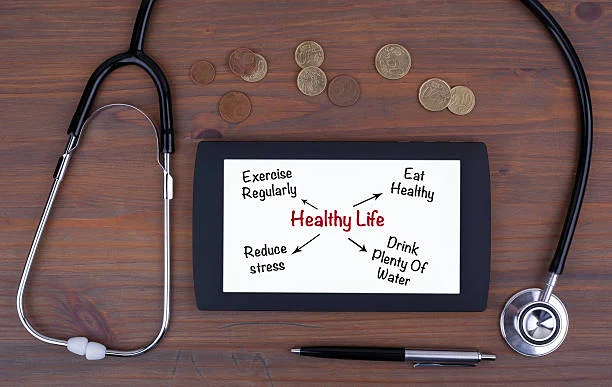
- Gentle movement and balanced nutrition: When physical abilities inevitably change, adapting your diet and exercise routine is essential. Simple, low-impact activities like guided stretching, short daily walks, and consuming nutrient-dense meals help maintain muscle strength and support the body’s immune system without causing exhaustion.
- Mindfulness and relaxation techniques: The psychological burden of illness can cause intense physical tension. Practising deep breathing exercises, daily meditation, or simply spending quiet time listening to soothing music can actively lower stress hormones. These grounding practices settle the mind, making it significantly easier to handle the emotional toll of a challenging diagnosis.
Navigating a severe health condition is an undeniably difficult journey filled with unexpected turns. Yet, by actively prioritising both physical comfort and psychological well-being, patients can navigate their days with much greater resilience and peace. Whether it involves seeking specialised comfort care alongside regular treatments, leaning heavily on a strong social network, or accessing virtual therapy sessions, there are numerous effective ways to protect your overall quality of life. Remember that asking for help and prioritising comfort is not a sign of giving up, but rather a vital step toward living fully and purposefully despite the medical challenges ahead.
Don’t stop now—the full library of expert tips is waiting at 2A Magazine.