
Taking care of your health often feels like something to handle only when a problem pops up. Many people wait for a persistent cough or a sharp pain before calling a doctor. Changing this mindset to a proactive one can change your life or Overall Health Outcomes. Scheduling checkups in advance puts you in control of your well-being. It allows for a steady look at your body over the years instead of just reacting to emergencies.
The Power of Early Detection
Small health issues often hide without causing any noticeable pain or discomfort. Routine medical visits allow doctors to find these hidden problems before they grow into something serious. Finding concerns early means treatment can start sooner, and that greatly improves results. It is much easier to manage a minor flare-up than a full-blown medical crisis.
When you book your visits months ahead, you stay on top of the latest screening guidelines. Current medical advice suggests that women with an average risk should begin regular mammograms at age 40. These screenings should continue on a set schedule until at least age 74. Staying consistent with these dates ensures you never miss a window for early intervention.
Accessing Modern Diagnostic Tools
Advanced technology has changed how doctors look inside the human body. High-quality diagnostic imaging services in Upper Coomera provide detailed views that help with accurate plans. These tools allow for a deep look at internal structures to find issues that a standard physical might miss. Getting these scans done regularly can find conditions like aneurysms or spinal issues while they are still manageable.
Some of these advanced scans can even find certain types of cancer as early as stage 1. This level of detail is a massive leap forward for preventive medicine. It shifts the focus from treating a late-stage illness to stopping a problem in its tracks. Using these tools as part of a regular schedule keeps your health record current and thorough.
Tracking Health Trends Over Time
A single blood pressure reading or one weight check is just a snapshot of a moment. Seeing a doctor regularly allows them to track these measurements as a pattern over several years. This data helps your provider see trends rather than relying on one-time numbers. You might notice a slow rise in cholesterol that would be missed if you only visited once every five years.
Understanding Long-Term Data
Your body is constantly changing based on your age, diet, and activity levels. Having a digital record of your health markers makes it easier to spot when something drifts off course. Modern technology makes this even simpler for patients and doctors alike. Data from wearables and connected devices now helps providers detect health changes earlier than ever before. These devices allow medical teams to manage chronic conditions and help prevent future complications.
Shifting Toward Preventive Care
The way the world looks at medicine is changing rapidly. More resources are being poured into preventive technologies and services to keep people out of hospitals. The global market for these preventive services reached $330.6 billion in 2024. This growth shows that both patients and providers see the value in staying ahead of sickness.
- Early detection through routine visits allows for timely lifestyle shifts.
- Preventing advanced illness reduces the need for expensive and complex treatments.
- Managing risks early can significantly lower the financial burden on the healthcare system.
- Monitoring modifiable risk factors can potentially prevent 44% of cancer deaths.
Saving Money on Medical Bills
Waiting until you are very sick to see a doctor is almost always more expensive. Emergency room visits and late-stage treatments carry high costs that routine checkups avoid. Identifying health risks early and stepping in quickly can reduce the economic strain of medical care. You save money by avoiding the need for the intense care required for advanced illnesses.
Proactive care also cuts down on the time you might spend recovering in a hospital. Recent studies show that using tools like telemedicine can make patients 76% less likely to be readmitted to a hospital within six months. This means more time spent living your life and less time in a clinical setting. Keeping your appointments helps you stay productive and financially stable.
Building a Relationship with Your Provider
Consistency helps you and your doctor get on the same page. When a physician knows your history and your family background, they can give better advice. They understand your baseline and can tell when you aren’t feeling like yourself. This trust makes it easier to talk about uncomfortable symptoms or mental health concerns.
A doctor who sees you every year knows which screenings are most relevant to your specific lifestyle. They can suggest adjustments to your habits based on your latest lab results. This partnership turns healthcare into a team effort. You are no longer just a name on a chart, but a person with a clear plan for the future.
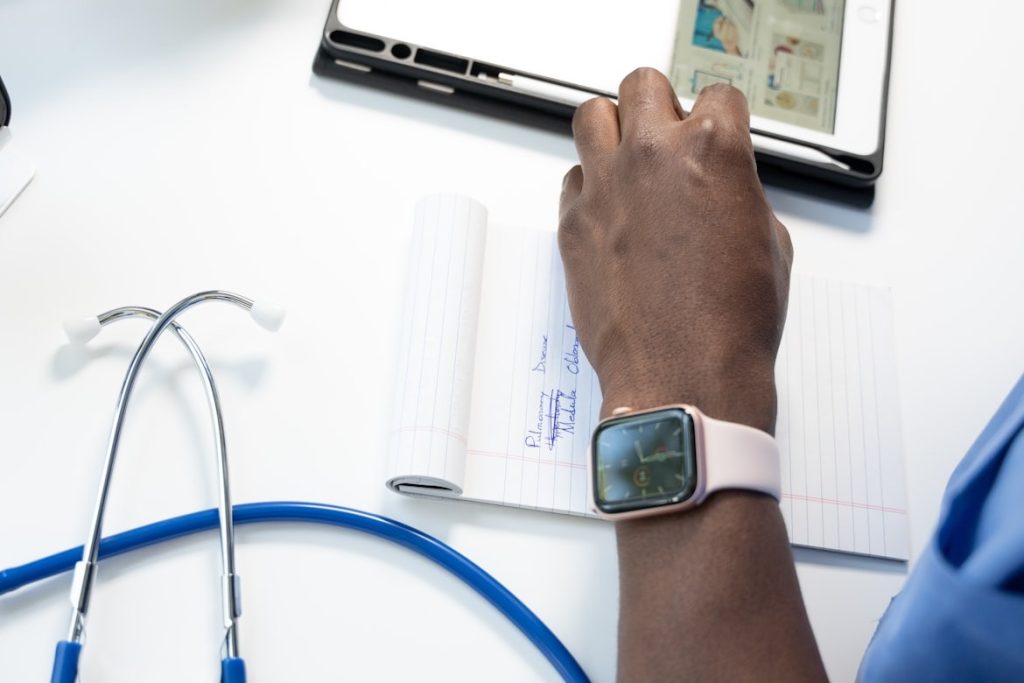
Taking these steps is an investment in your future self. It ensures that you have the energy and physical ability to enjoy your hobbies and spend time with family. Making health a priority today prevents it from becoming a burden tomorrow. You deserve the security that comes with a clean bill of health and a solid plan for the years ahead.
Discover insights that connect perfectly with this topic—read now at 2A Magazine.