
Walking into a perfectly tempered house after a long day is a relief. Maintaining that feeling throughout every season takes more than just turning a dial home comfortable year‑round. Most homeowners want to find a balance between staying cozy and keeping costs low.
Learning how heat moves through a building helps you take control of your environment. Comfort starts with understanding your specific needs and the local climate.
Inspecting Your Roof For Damage
A sturdy roof defends against rain and harsh sunlight. Hiring a professional Delta roofing contractor helps you identify small leaks before they turn into expensive repairs. Regular maintenance like this keeps your attic dry and prevents heat from escaping through the top of your house.
Wind and snow can cause shingles to loosen or crack. Catching these issues early protects the insulation inside your walls. If cared for properly, a well-maintained roof reflects some of the sun’s heat to keep the upstairs rooms from getting too stuffy.
Understanding Energy Consumption In Modern Homes
Homeowners wonder where their monthly utility money goes. Climate control typically takes up 43% of the power used in a standard household. This number helps people prioritize which upgrades to tackle first. Managing that huge percentage can result in long-term savings.
High usage stems from old equipment or poor insulation. Many people do not realize how much energy leaks out through thin walls. Adding extra padding in the crawlspace keeps floors warm in January. Lowering the thermostat by just two degrees can cut costs.
Upgrading To Smart Technology
Technology has changed how we interact with our living spaces. Research into modern gadgets found that installing a smart thermostat leads to 8% savings on monthly utility bills. The devices learn your schedule and lower the temperature when you leave the house. Smart systems provide data that lets you see exactly when your heater runs home comfortable year‑round.
Adjusting settings from a phone adds a layer of convenience to daily life. You can warm up the house before you arrive home from work. Sensors placed in different rooms balance the climate throughout the entire building.
Planning For System Replacements
Mechanical units do not last forever. Budgeting experts suggest that a full heating and cooling replacement usually runs between $11,590 and $14,100. Saving for such a large expense ahead of time prevents stress when a furnace fails. Modern units operate much more quietly than older models.
Newer technology meets stricter environmental standards. High-efficiency models use less fuel to produce the same amount of heat. Buy a unit that is the right size for your square footage. An oversized system will cycle on and off too frequently.
Sealing Gaps Around Windows And Doors
Drafts are the enemy of a consistent indoor climate. Small cracks around window frames let expensive air leak out into the yard. Using weather stripping is a cheap way to fix the leaks. Feel for moving air around door frames during a windy day.
Applying a fresh bead of caulk can block those tiny openings. Silicone-based products last the longest against rain and sun. Old houses often have gaps where the wall meets the floor. Filling those spaces stops cold air from creeping in at night home comfortable year‑round.
Maximizing Natural Light And Insulation
Sunlight provides free warmth during the winter months. Insulation in the walls keeps that heat from escaping. Rugs stop heat from escaping through floorboards. Using different materials can change how well a room holds its temperature.
- Reflective window films
- Cellular shades
- Thermal blankets
- Thick area rugs
Window films block harmful rays that fade your furniture. Shades with a honeycomb design trap a layer of air for extra protection. These simple additions maintain a steady climate without using power.
Managing Humidity Levels
Too much moisture in the air makes a room feel warmer than it actually is. Using a dehumidifier in the summer helps your air conditioner work more effectively. Dry air is easier to cool and feels crisper on the skin. In the winter, a humidifier adds moisture to prevent dry skin and static.
Proper moisture control protects the structure of the house. Damp air can cause problems with wood rot or mold growth. Keeping the levels between 30% and 50% is ideal for most climates. You can use a small gauge called a hygrometer to track the levels.
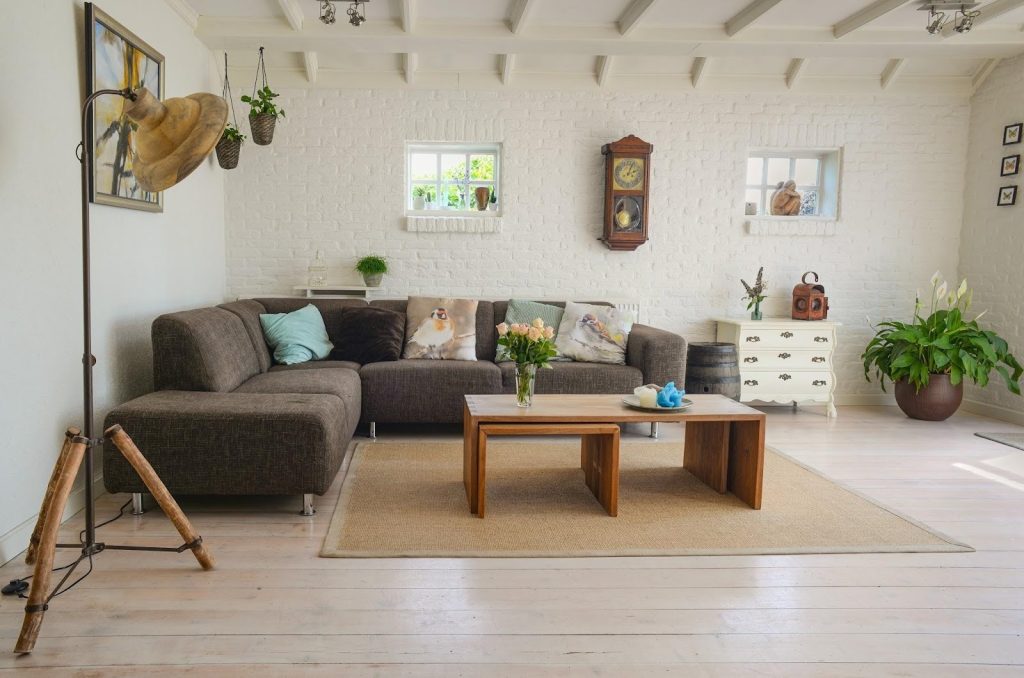
Taking the time to look at how your house works pays off in comfort and lower bills. You can enjoy every room in your house, no matter what the weather looks like outside.
Consistency is the key to a happy home or home comfortable year‑round. Keep track of your adjustments and see what works best for your specific layout. Every house requires a tailored approach to climate control.
Unlock related ideas to boost your business growth at 2A Magazine.