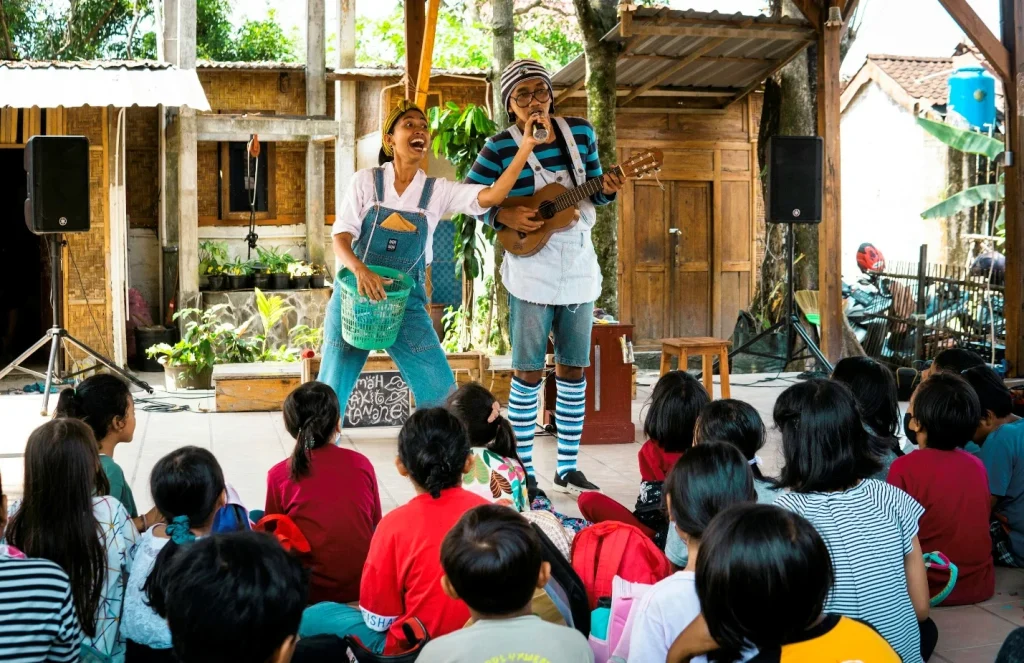
Parents often look for ways to help children uncover strengths that shape their future. Creativity sits at the center of that process because it encourages kids to explore ideas with confidence and curiosity. The Boulder area offers families an environment filled with community programs Raising creative kids, accessible outdoor spaces, and a spirit of exploration that supports imaginative growth.
These surroundings make it easier for parents to introduce children to a variety of interests while keeping learning enjoyable. Support at home matters just as much. Kids flourish when they have space to experiment, chances to ask questions, and guidance that feels steady rather than heavy-handed.
Explore Creative Expression Through Play
Play sets the stage for early creative growth because it gives children room to imagine without pressure. Kids test ideas freely when they play, and that freedom strengthens flexible thinking. Open-ended toys, pretend scenarios, and simple building materials encourage exploration that feels natural. Parents help the process by observing rather than directing every step.
A gentle presence creates trust, and children often try more ambitious ideas when they feel supported. Short, playful moments throughout the day help imagination become part of a child’s routine.
Introduce Music, Movement, and Rhythm Early
Sound and movement open a natural pathway to creativity for young children. Many kids respond to rhythm with curiosity, and musical play can strengthen memory, focus, and emotional awareness. Parents in the region look for group music classes for all levels in the Boulder area to give children a chance to practice new skills alongside peers and feel more at ease sharing their ideas.
Early musical experiences help children recognize patterns, tune into their senses, and express themselves more confidently. Simple activities such as clapping rhythms, humming familiar tunes, or dancing to gentle music make these skills Raising creative kids part of everyday life. Children learn best when experiences feel relaxed and welcoming, and music naturally creates that sense of ease.
Encourage Curiosity Through Daily Discovery
Curiosity grows when children feel comfortable asking questions and exploring their surroundings. Small moments during the day can turn into opportunities for discovery. Parents help by inviting kids to share observations or talk through their thoughts. These conversations build analytical skills and confidence.
Kids start to see everyday situations as puzzles they can examine rather than tasks they should avoid. Exposure to varied experiences, such as cooking, nature walks, or simple household projects, expands a child’s sense of possibility. Curiosity becomes a habit when children learn that their ideas carry value and deserve attention.
Offer Tools That Support Independent Experimentation
Children feel empowered when they have access to tools that match their abilities. Art supplies, building materials, and simple crafting resources encourage kids to take initiative. A small corner of the home can become a creative space where children gather materials, test ideas, and solve problems without constant direction.
This kind of independence teaches patience and resilience because kids learn to work through challenges on their own terms. Parents guide the process by keeping materials accessible and offering encouragement when progress slows. A space designed for experimentation shows children that creativity is something they can practice, refine, and enjoy every day.
Build Routines That Make Space for Imagination
Children thrive when their days include predictable moments that allow their minds to settle. Gentle routines help kids focus on creative experiences without feeling rushed. Short blocks of time for drawing, building, storytelling, or musical play give children a sense of ownership over their creative work. These moments don’t need to be elaborate.
Consistency matters more than scale. When imagination becomes part of daily life, kids begin to trust their ideas and return to projects with renewed interest. Parents support this growth by keeping routines calm, steady, and free from unnecessary pressure.
Strengthen Communication Through Storytelling
Storytelling gives children a way to organize thoughts for Raising creative kids, understand emotions, and share experiences with clarity. Kids often enjoy creating characters or imagining different scenarios, which helps them explore ideas that feel too abstract to express directly.
Parents support this skill by asking open questions that invite reflection. A simple prompt encourages a child to fill in details and expand a narrative. These conversations teach children how to build structure around their thoughts while still allowing imagination to guide the process. Storytelling also strengthens empathy because kids begin to think about a character’s feelings, decisions, and motivations.
Support Social Creativity Through Collaboration
Creative growth expands when children work with others toward a shared goal. Group activities teach problem-solving because each child contributes a unique idea or perspective. Kids learn how to negotiate, listen, and adjust their approach as they explore new possibilities. Collaboration can happen through simple projects such as building a shared structure, creating a short skit, or working on a themed art piece.
These experiences give children confidence to express ideas while also valuing contributions from peers. Parents help by choosing activities that allow participation at different comfort levels, which makes collaboration feel inviting rather than overwhelming.
Model Creative Thinking in Everyday Life
Children absorb patterns from the adults around them, which shape their approach to challenges and new experiences. Parents who show curiosity in daily life send a message that exploration is worthwhile. Simple habits, such as asking reflective questions or sharing personal observations, demonstrate how creative thinking works outside structured activities.
Kids begin to see that creativity is not limited to art or music. It appears in decisions, conversations, and problem-solving moments throughout the day. Parents support this mindset by showing patience with mistakes and treating them as natural parts of learning.
Creative development thrives in environments where children feel supported, understood, and free to explore ideas with confidence. The early years shape how kids approach learning, and thoughtful guidance can help them discover interests that remain meaningful as they grow. Play, music, storytelling, independent experimentation, and collaborative experiences each offer a different pathway toward creative strength.
Parents who build gentle routines, provide access to simple tools, and keep conversations open help children form habits that encourage curiosity Raising creative kids. A steady atmosphere gives kids the courage to explore ideas that feel new or challenging. Creativity becomes a natural part of their lives, shaping how they think, communicate, and engage with the world around them.
Explore more ways to grow and stay ahead at 2A Magazine.