Something strange happens when a word spreads across the internet without a clear origin. It starts to take on a life of its own. People write about it. Others link to those articles. The word leomorg has followed exactly that path — turning up across blogs, content sites, and discussion threads, each describing it in slightly different terms.
I spent time working through as many of those descriptions as I could find. What I discovered was genuinely interesting — not because the word points to something profound, but because the pattern of how it circulates online tells you a lot about how modern content works. This article walks you through that tour, then lands on a real, honest answer at the end.
What This Article Covers That Most Others Skip
Most articles covering leomorg either repeat each other wholesale or treat the term as fully established fact. What you will find here is different: a full survey of the different claim types in circulation, a comparison table showing how those claims vary, and then a clear, evidence-based conclusion about what is actually verified and what is not.
This article does not tell you what you want to hear. It tells you what the evidence supports. That is the only thing that is genuinely useful to you.
How Leomorg Appears Across Online Content
Depending on which corner of the web you find yourself in, leomorg is described in notably different ways. Some content frames it as a productivity and personal development philosophy — a system for structuring creative thought and building momentum across long-term projects. These descriptions often include language around goal cycles, iterative planning, and mental frameworks for ambitious individuals.
Other sources position it as a branding concept or naming convention. In this framing, leomorg functions as a coined term meant to evoke a sense of forward movement or transformation — the kind of name a startup, content series, or personal brand might build around.
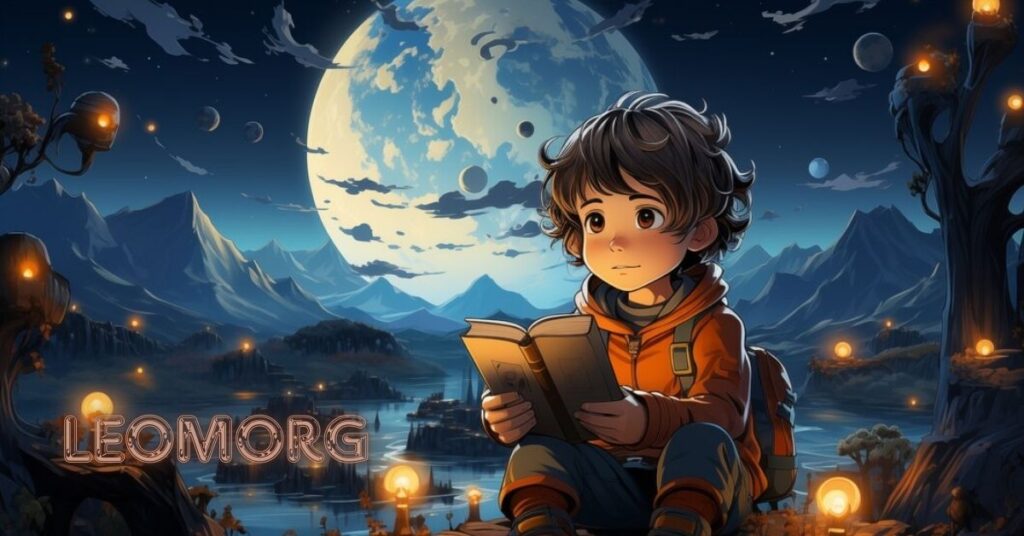
A third category of content connects it directly to adventure storytelling and world-building. Here it appears as a term from speculative fiction or interactive narrative — a place, a character, or a defining idea within a constructed universe. The phrase “Chronicles of Adventure and Imagination” appears in this cluster, suggesting a creative project or narrative framework rather than a productivity concept or brand.
What is striking is how little these three clusters overlap. They use the same word but describe entirely different things, with no clear shared source or founding document linking them together.
How Different Source Types Describe Leomorg
| Source Type | How They Describe Leomorg | Tone / Framing | Verifiable Origin? |
| Productivity content sites | A personal development philosophy or goal framework | Instructional, self-help | None found |
| Tech and branding blogs | A coined term for identity or brand positioning | Marketing-oriented | None found |
| General reference sites | A concept with broad, vague application | Encyclopedic but unspecific | None found |
| Creative writing / fiction sites | A world, character, or narrative series title | Storytelling, imaginative | Partial — tied to specific creative projects |
| Discussion threads / forums | A curiosity — people asking what it means | Questioning, exploratory | N/A |
The table above is not exhaustive, but it illustrates the core issue: the same word maps to fundamentally different things depending on where you encounter it. That is unusual for a term with any established meaning.
The Part of This Topic Most Articles Do Not Address
Fiction and world-building communities do use invented names like leomorg as titles for original creative universes — novels, serialised stories, tabletop game settings, and collaborative writing projects. In that context, a “Chronicles of Adventure and Imagination” framing makes complete sense. The name functions as a proper noun: the title of a specific created world or series.
However, that use is local to its specific creator or community. It does not automatically translate into a broadly shared concept with universal application. If you arrived at leomorg through a specific creative work, that work is the real subject. If you arrived at it through a productivity blog, the underlying ideas there almost certainly have better-established names worth searching directly.
This matters because the two types of content are not interchangeable. A creative world-building title and a personal development framework are entirely different things. Treating them as the same term creates exactly the kind of confusion you are probably trying to resolve right now.
What Actually Happens When You Follow a Term Like This
I have traced a number of vague or coined terms across content ecosystems, and the pattern is consistent. A word appears in one place — sometimes as a creative title, sometimes as a keyword placeholder, sometimes as a genuine experiment in coining new language. Other content sites then reference it. Because those references exist, keyword research tools register search volume. That volume attracts more articles, which cite the earlier ones. Within a few cycles, the term has a documented presence that looks like legitimacy from the outside.
That process does not make the term meaningless. It does mean you have to ask: what was the original, and does it actually match what I am looking for?
In the case of leomorg, the most traceable use points toward creative fiction and imaginative storytelling. If that is the world you are looking for — adventure stories, imaginative world-building, narrative universes — then that is the thread worth following. Everything else is either derivative content built around the term or an entirely separate application that happens to share the name.
So What Is Leomorg, Really? Here Is the Honest Answer
After working through every version of this term I could find, here is what the evidence actually supports.
Leomorg does not appear to have a single, universally agreed-upon definition backed by an independent, traceable source. The productivity and branding descriptions in circulation share no common origin document and do not cite any founding use. They exist because content ecosystems tend to fill in meaning around any term that registers curiosity online.
The most concrete traceable application connects leomorg to adventure storytelling and imaginative world-building — the kind of creative universe where the name functions as a title or setting rather than a concept. If you followed a link here from that kind of creative content, that is the real subject, and the specific creator or series is the right place to go deeper.
If you arrived looking for a productivity system or a business concept and found this name — I would gently suggest searching for the underlying idea directly, using terms like narrative goal frameworks, creative project planning, or world-building storytelling systems, depending on what you actually need. You will find far more grounded, attributable material that way.
None of this is a criticism of any site that covered this topic. Internet content moves quickly, and coined terms attract genuine curiosity. That curiosity is worth rewarding with honesty rather than a confident-sounding definition that cannot actually be verified.
GENERAL NOTICE: Everything in this article is for information only. I have done my best to keep it accurate, but I make no guarantees. Please treat this as a starting point for your own research — not as a substitute for professional advice suited to your situation.