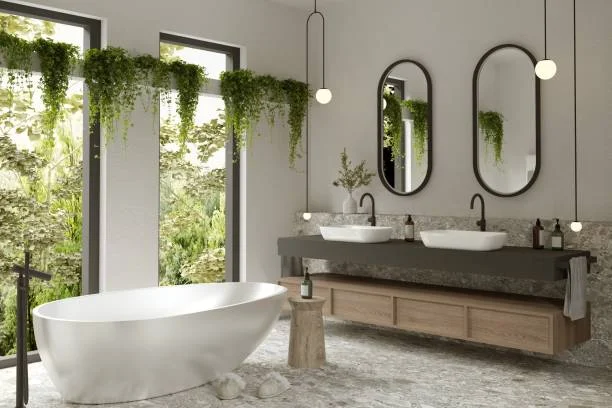
In the world of home design, few spaces offer as much potential for transformation as the bathroom. Once purely functional, today’s bathrooms or Art of Bathroom Design have evolved into personal retreats, spaces where we begin and end our days, where we seek moments of calm amid our busy lives. The modern bathroom represents a unique intersection of aesthetics, functionality, and self-care, making thoughtful design choices more important than ever.
Beyond Basic Function: The Modern Bathroom Experience
The contemporary approach to bathroom design recognizes that these spaces serve multiple purposes beyond their obvious utility. They’re places for morning rituals and evening relaxation, for quick refreshes and long soaks, for getting ready and winding down. Whether you’re updating a powder room or planning a complete overhaul, selecting the right plumbing and lighting fixtures forms the foundation of any successful bathroom transformation.
Today’s homeowners view their bathrooms as extensions of their personal style. Whether you’re drawn to spa-like minimalism, vintage charm, modern sophistication, or eclectic warmth, your bathroom can reflect your aesthetic vision while delivering the functionality you need. The key is understanding how different design elements work together to create a cohesive, comfortable space.
Essential Design Elements That Make a Difference
Illuminating Your Space
Perhaps no element impacts bathroom design more dramatically than lighting. Natural light remains the gold standard: it’s flattering, energizing, and makes spaces feel larger. When possible, maximize natural light through windows, skylights, or solar tubes. Privacy concerns can be addressed with frosted glass or strategic placement.
Artificial lighting requires a layered approach. Overhead ambient lighting provides general illumination, but task lighting around mirrors is essential for grooming activities. Accent lighting can highlight architectural features while adding depth and dimension. The fixtures themselves have become design statements, contributing significantly to your bathroom’s overall aesthetic.
Hardware and Fixtures
The faucets, showerheads, towel bars, and cabinet hardware you select significantly impact functionality and style. These elements offer opportunities to introduce metallic finishes – brushed nickel, oil-rubbed bronze, polished chrome Art of Bathroom Design, or matte black that tie the space together. Modern fixture technology has advanced considerably, with water-saving aerators and thermostatic valves seamlessly blending innovation with aesthetics.
Creating Visual Flow and Spatial Harmony
Successful bathroom design requires understanding how different elements interact within the space. Color schemes should feel intentional, whether monochromatic serenity, bold contrasts, or subtle variations. Scale and proportion matter tremendously; oversized tiles can make small bathrooms feel larger by reducing grout lines and creating visual continuity.
Storage solutions deserve careful thought. Floating vanities create an airy feel and make floor cleaning easier. Medicine cabinets with integrated lighting serve double duty. Built-in niches in showers eliminate the need for hanging caddies that interrupt clean lines.
The Foundation: Surfaces and Textures
The materials you choose for your bathroom set the tone for the entire space. Flooring selections have expanded beyond basic ceramic tiles to include natural stone, porcelain that mimics wood, intricate mosaics, and large-format tiles that create a seamless look. Each option offers distinct advantages in aesthetics, maintenance, and durability.
Wall treatments deserve equal consideration. While tile remains popular for its water resistance and versatility, the creative possibilities have exploded. Textured tiles, geometric patterns, subway tiles in unexpected colors, and mixed materials create visual interest without overwhelming smaller spaces. Professional waterproof tile installation ensures these beautiful materials perform as intended, with proper waterproofing and precise alignment that prevents future issues.
The relationship between floor and wall surfaces creates visual continuity. Some designs extend the same tile from floor to walls for cohesion, while others use complementary materials to define different zones. Accent walls featuring special tiles or stone can serve as stunning focal points.
Trends Worth Considering
While timeless design should form your foundation, certain contemporary trends offer genuine value. Walk-in showers with frameless glass enclosures create open, luxurious spaces. Freestanding tubs serve as sculptural focal points. Large-format tiles minimize maintenance while creating a dramatic impact.
Smart technology has entered the bathroom through heated floors, programmable shower systems, and fog-free mirrors. These additions enhance comfort without dominating the design narrative. Sustainable choices like low-flow toilets or Art of Bathroom Design, LED lighting, and recycled materials allow environmentally conscious homeowners to reduce their impact while creating beautiful spaces.
Bringing Your Vision to Life
Creating a bathroom that truly functions as your personal sanctuary requires balancing aesthetics, functionality, budget, and longevity. Begin by identifying your priorities. What aspects of your current bathroom frustrate you most? What features would genuinely improve your daily experience?
Quality matters in bathroom design, where materials face constant moisture exposure. Investing in durable surfaces, reliable fixtures, and proper installation pays dividends through years of trouble-free use. A beautifully designed bathroom that develops problems due to poor-quality materials quickly loses its appeal.
Your bathroom should be a space that energizes you each morning Art of Bathroom Design and soothes you each evening – a personal retreat that reflects your style while supporting your daily rituals with grace and efficiency.
Handpicked for you—discover why this featured posts stands out at 2A Magazine.