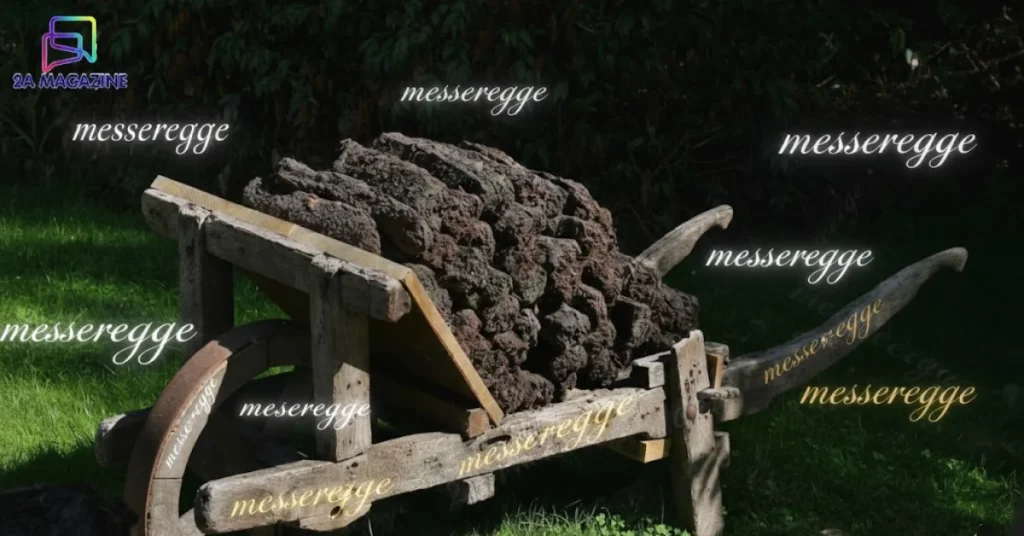
Introduction to Messeregge and its History
Nestled in the rich tapestry of European agricultural history lies a tool that many have forgotten: the messeregge. This traditional farm implement, with its simple yet effective design, has played a significant role in creating better seedbeds for generations. As modern farming techniques progress at lightning speed, tools like the messeregge fade into obscurity. Yet, they hold untapped potential for enhancing sustainable practices today.
Picture a landscape where fields are lush and crops thrive thanks to methods rooted in centuries-old wisdom. The messeregge is more than just an artifact; it represents a connection to our agricultural past while offering solutions for our future dilemmas in farming. Join us as we explore this remarkable tool’s history, how it works, and why it’s time to reconsider its place on today’s farms.
How Messeregge Works and Its Benefits?
The messeregge is a marvel of simple engineering. This traditional farming tool, often resembling a large rake, is designed to prepare seedbeds with precision.
Its unique structure allows for effective soil aeration. As the tines penetrate the earth, they break up clumps and promote better water drainage. This results in healthier root systems.
Moreover, it helps to evenly distribute seeds across the field. Farmers can achieve consistent planting depth and spacing without relying on complex machinery.
One key benefit is its eco-friendliness. The messeregge requires no fuel or electricity, making it sustainable for small-scale operations.
Additionally, using this tool encourages biodiversity by preserving soil microorganisms essential for crop growth. It fosters an environment where plants thrive naturally.
By integrating messeregge into their practices, farmers can enhance productivity while maintaining environmental integrity. Its simplicity makes it accessible yet highly effective.
The Impact of Messeregge on Farming
The messeregge has quietly transformed farming practices across Europe. This traditional tool, with its unique design, promotes better soil aeration and structure. Farmers using the messeregge notice a marked improvement in seedbed quality.
When employed correctly, it reduces soil compaction, allowing roots to penetrate deeper. Healthier crops emerge from well-prepared seedbeds. The result is not just improved yields but also enhanced resilience against climate fluctuations.
Moreover, this tool supports sustainable practices by minimizing reliance on heavy machinery. Less tillage means reduced fuel consumption and lower carbon emissions. Many farmers appreciate these environmental benefits as they seek greener alternatives.
As a low-cost option for many smallholdings, the messeregge provides accessibility to efficient farming methods without substantial investment in modern equipment. Its impact resonates through generations of agricultural wisdom that champions harmony between tradition and innovation.
Why Messeregge is Often Overlooked in Modern Farming?
The messeregge, while a valuable tool, often fades into the background of modern farming. One reason is the overwhelming focus on advanced technology. Farmers are drawn to flashy equipment that promises efficiency and higher yields.
Additionally, many contemporary farmers may not have heard of this traditional implement. It isn’t widely taught in agricultural schools or featured in popular farming discussions. This lack of awareness leads to missed opportunities for sustainable practices.
Another factor is the speed at which modern agriculture has evolved. Quick fixes dominate conversations about productivity, leaving tools like the messeregge overlooked.
There’s a tendency to prioritize short-term results over long-term soil health. The benefits of using a messeregge take time to manifest but can significantly enhance soil quality and crop performance in the long run.
Revival of Messeregge in Sustainable Agriculture
The messeregge is experiencing a renaissance in sustainable agriculture. Farmers are rediscovering its potential for creating optimal seedbeds while minimizing environmental impact.
This traditional tool promotes soil health by reducing compaction and encouraging natural aeration. As organic practices gain traction, the messeregge’s ability to prepare soil without heavy machinery aligns perfectly with eco-friendly methods.
Many small-scale farmers appreciate the lower costs associated with using a messeregge compared to modern equipment. This simplicity translates into more accessible farming techniques.
Community workshops and agricultural fairs have also played a pivotal role in showcasing this age-old tool. Enthusiasts share their experiences, inspiring others to incorporate it into their practices.
The revival of the messeregge highlights a growing trend toward valuing historical knowledge in contemporary farming solutions, all while fostering sustainability and resilience within agricultural systems.
Success Stories from Farms Using Messeregge
Across Europe, farms are rediscovering the messeregge as a game-changer. Farmers report improved soil health and enhanced seedbed conditions.
One example is a small organic farm in Germany that integrated the tool into its operations. The result? A notable increase in crop yields while reducing dependency on chemical inputs. This farm highlights how traditional methods can complement modern agricultural practices.
In Italy, vineyards have embraced messeregge for perfecting their planting beds. The outcome has been healthier vines and larger harvests of grapes, proving that sometimes old tools bring new life to age-old processes.
Meanwhile, a cooperative in France showcases success through community engagement with this technique. Members share experiences and techniques for using messeregge effectively, fostering an environment where innovation thrives based on shared heritage.
These stories illustrate the versatility of messeregge across various agricultural landscapes, shedding light on its potential resurgence among contemporary farmers seeking sustainable solutions.
Conclusion: The Future of Messeregge in Farming Practices
The future of the messeregge in farming practices appears promising. As sustainable agriculture continues to gain traction, this ancient tool may play a key role in revitalizing soil health and enhancing crop yields. Farmers are increasingly looking for methods that reduce chemical inputs while promoting biodiversity. The messeregge offers a natural solution to prepare seedbeds with minimal disturbance.
With its ability to break up compacted soil layers and promote better aeration, it stands as a testament to traditional agricultural wisdom. Modern farmers who integrate the messeregge into their operations might find not only improved seedbed conditions but also healthier crops.
As awareness grows about the environmental impacts of modern farming techniques, tools like the messeregge could become essential in creating resilient agricultural systems. Its revival can support local ecosystems and foster a deeper connection between farmers and their land.
The journey ahead is likely filled with innovation as more enthusiasts embrace this forgotten European tool once again. With each passing season, there’s potential for new success stories that highlight the benefits of integrating age-old practices into contemporary farming strategies, paving a way toward greater sustainability on our farms.