Pest activity in buildings is more common than we often realize, and the signs of infestations are not always immediately obvious. While some pests are easy to spot, others may be hiding in the walls, ceilings, or other areas of your building, quietly causing damage or spreading diseases. Knowing what to look for can help you catch pest problems early before they escalate into more significant issues. Here are seven common signs that indicate hidden pest activity in buildings.
Unexplained Foul Odors
A strong, unpleasant odor is one of the first signs of a pest infestation. If you notice a musty or foul smell that won’t go away, it could be a sign of rodents, roaches, or even termites living behind walls, in basements, or other concealed areas.
The Centers for Disease Control and Prevention (CDC) notes that pests like rodents and cockroaches often leave behind odors from their urine, droppings, and nesting materials, which can build up over time and become noticeable. These odors are often strongest near walls or areas where pests are most active.
Droppings and Small Feces
Finding droppings is another clear sign that pests have infiltrated your space. Rodents, such as rats and mice, tend to leave behind small, pellet-shaped droppings near areas where they are nesting, eating, or traveling.
Similarly, insects like cockroaches also leave behind droppings, which can be spotted around food sources or in cracks and crevices. The National Pest Management Association (NPMA) highlights that the presence of droppings is one of the most obvious indicators of pest activity and can help professionals identify the specific type of pest infesting the space.
Increased Presence of Other Pests
If you notice an increase in the presence of other pests, such as ants, flies, or spiders, it may be a sign of a larger, hidden pest problem. For example, a termite infestation may attract ants, which feed on the termites. Similarly, cockroaches tend to congregate around food sources and moisture, which may be indicators of a broader pest issue in the building. Pest populations tend to increase as they find more food and shelter, so an increase in pest activity can be an early warning sign of a more severe infestation.
If you observe any of these signs, it’s essential to act quickly. And Sequoia Pest Solutions and similar companies offer expert pest control services to help identify and address hidden pest problems in your building, ensuring a safe and pest-free environment.
Visible Damage to Structural Components
Pests can quietly weaken parts of a building long before you spot a live insect or rodent. Termites, ants, and rodents may chew, tunnel, or nest inside walls and framing, leaving damage that gets worse the longer it’s missed. The Environmental Protection Agency (EPA) notes that structural damage can turn serious and expensive when it goes unnoticed.
- Holes in drywall, baseboards, or around pipe entry points
- Exposed or frayed wiring from rodent gnawing
- Wood that looks crumbly, hollow, or soft when tapped
- Mud tubes running along walls, foundations, or crawlspace supports
- Buckling paint, warped trim, or sagging sections near damaged wood
Unusual Noises at Night
One of the most common signs of hidden pest activity in buildings is unusual noises, especially at night. Rodents are nocturnal, and you may hear them scurrying, gnawing, or scratching in the walls or ceilings.
These sounds are often more noticeable in quiet or empty buildings. If you notice strange sounds coming from the walls, attic, or underfloor areas, it’s time to investigate further for potential infestations.
Gnaw Marks or Bite Marks
Gnaw marks on furniture, wires, or food packaging are typical signs of rodent activity in hidden areas. Mice and rats often chew through walls, pipes, and electrical wires in search of food or nesting sites.
The damage can lead to dangerous electrical issues and the potential for fires. Finding bite marks on food packaging or wood is an indication that rodents are likely living and feeding in hidden spaces, such as walls or basements.
Visible Nesting Materials
If you spot shredded paper, fabric, insulation, or other materials near entry points or in hidden areas, it could be a sign of rodents or insects nesting in your building. Rodents often use materials like fabric or paper to build their nests, which they typically do in dark, secluded places such as behind walls, in attics, or in crawl spaces. Over time, these nests can grow and attract more pests, leading to a larger infestation.
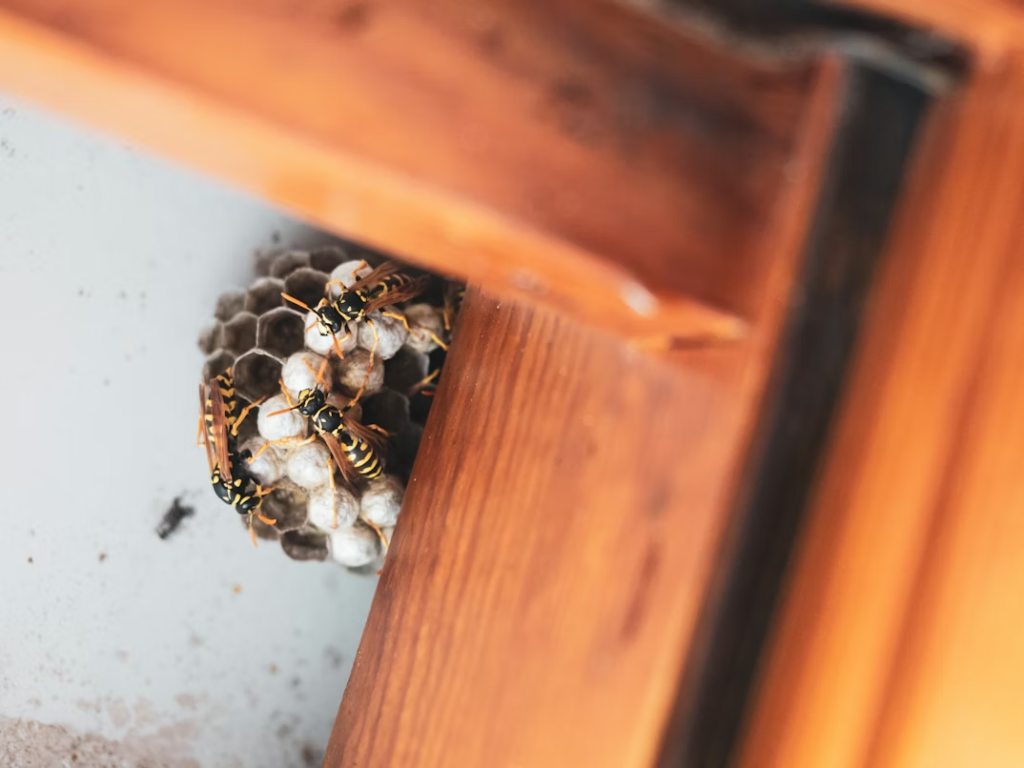
Pest activity in buildings often goes unnoticed until it becomes a more significant problem. By recognizing the common signs of pest infestations, you can take early action to prevent long-term damage and health risks. If you suspect you have hidden pests in your building, it’s crucial to contact a pest control professional who can identify the type of pests and take appropriate measures to eradicate them.
More stories, more strategies—start exploring now at 2A Magazine.