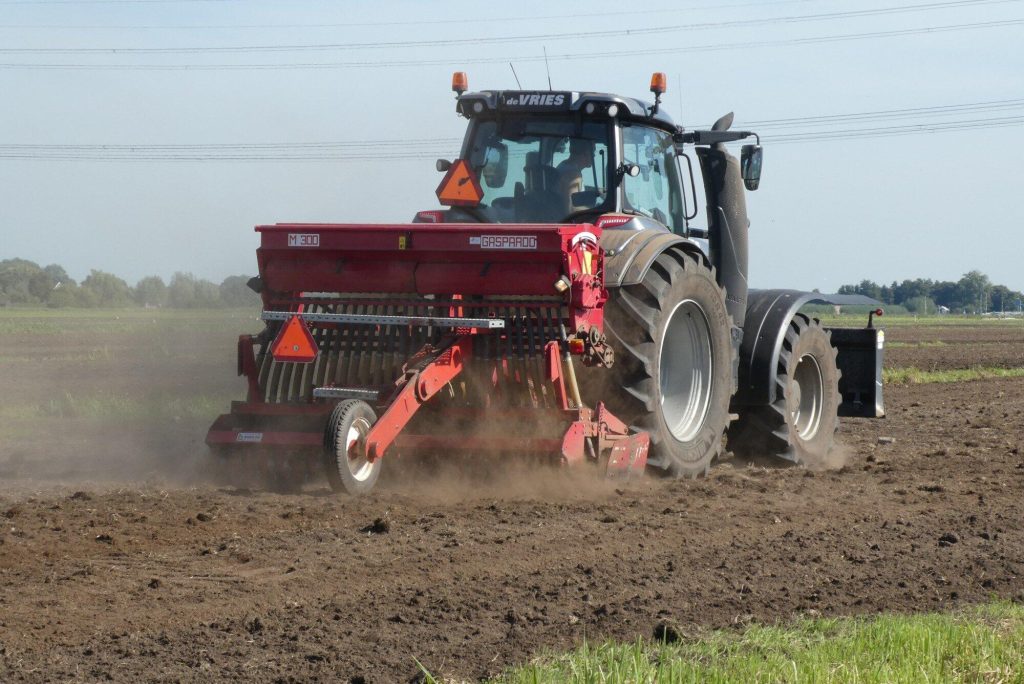
Do you want your agricultural property to produce better results every year? Many landowners look for simple ways to improve soil, crops, and income without making huge changes.
Small improvements can help farms stay productive and strong for many years. Start making smart changes today and create a better future for your property.
Understand Your Land Conditions
Every farm is different. Some properties have rich soil, while others need more care and attention. Checking the soil condition is one of the first steps in improving property performance.
A soil test can show nutrient levels and soil problems. This helps landowners know what the land needs. Better soil management can improve crop growth and reduce waste. Healthy soil also keeps water in the ground longer.
Landowners should also check the slope and shape of the property. Some areas may collect too much water after rain. Other areas may dry out quickly during hot weather. Understanding these conditions can help improve farming decisions.
Improve Soil Quality
Good soil is important for every agricultural property. Adding compost and natural fertilizers can improve soil health over time. Healthy soil gives crops the nutrients they need.
Farmers should avoid overusing chemicals. Too many chemicals can weaken the soil after many years. Crop rotation is also helpful because it keeps nutrients balanced in the ground. Strong soil leads to stronger harvests.
Organic matter can also improve the structure of the soil. Better soil structure allows roots to grow deeper. Deep roots can help plants survive dry periods. Healthy soil also supports helpful insects and organisms.
Use Water Wisely
Water management plays a big role in farm performance. Crops need enough water, but too much water can damage roots and soil. Smart irrigation systems help reduce water waste.
Drip irrigation is one good option for many farms. It delivers water directly to the roots. This saves water and improves plant growth. Water storage systems can also help during dry seasons.
Rainwater collection systems are useful for many properties. Farmers can store water during rainy months for future use. Regular checks for leaks can also prevent water loss. Good water management lowers costs and supports healthy crops.
Keep Equipment in Good Shape
Farm equipment should always stay in good condition. Broken machines can delay work and increase costs. Regular inspections help prevent major problems.
Simple maintenance tasks can make equipment last longer. Cleaning machines after use is also important. Farmers who care for their tools often save money over time. Good equipment helps work move faster and easier.
Replacing worn parts early can prevent larger repairs later. Farmers should also store equipment in dry places when not in use. Proper storage protects machines from rust and weather damage. Reliable equipment improves daily farm operations.
Plant the Right Crops
Choosing the right crops can improve farm results. Some crops grow better in certain climates and soil types. Landowners should study what works best in their area.
Growing crops that match local weather can lower risks. Strong crops usually need fewer repairs and treatments. Farmers should also consider market demand before planting. Smart crop choices can improve profits and reduce losses.
Plant diversity can also protect farms from major losses. If one crop performs poorly, other crops may still succeed. Seasonal crop planning can improve land use during the year. Good crop choices support long-term farm stability.
Farmers should also test new crop varieties carefully. Some crops may offer better resistance to disease and weather stress. Local farming groups can provide useful crop advice. Careful crop selection improves farm performance over time.
Control Weeds and Pests
Weeds and pests can hurt agricultural property performance. They compete with crops for nutrients and water. Early control methods help reduce damage before it spreads. Farmers should inspect fields often. Natural pest control methods can also help reduce chemical use. Healthy plants are usually more resistant to pests.
Good field management protects both crops and soil quality. Removing weeds early can stop them from spreading quickly. Farmers can also use barriers and traps to manage pests. Clean farming areas often reduce pest activity.
Regular monitoring keeps small problems from becoming large ones. Crop rotation can also reduce pest problems naturally. Different crops can interrupt pest life cycles. Healthy farming methods lower the need for heavy chemical use. Better pest control protects harvest quality.
Improve Property Drainage
Poor drainage can damage crops and soil. Standing water may lead to root disease and erosion problems. Proper drainage systems help remove extra water from fields. Ditches and drainage pipes are common solutions. Farmers should also keep drainage areas clean and open. Good drainage improves field conditions during heavy rain.
Better drainage supports healthy crop growth. Raised planting beds can also improve water flow. Some farms may need gravel or special soil treatments. Regular drainage inspections help prevent blocked systems. Good drainage protects both crops and farm roads.
Poor drainage can also damage farm equipment areas. Wet ground may create unsafe working conditions. Landowners should repair drainage problems quickly. Strong drainage systems improve overall property performance.
Invest in Farm Planning
A clear farm plan helps landowners stay organized. Planning can improve budgets, crop schedules, and land use decisions. Good planning also helps reduce unexpected problems. Many property owners work with experts for better results. Services like Midwest Land Management farm management can help improve property strategies and long-term goals.
Professional guidance can support stronger land performance. Careful planning often leads to steady growth over time. Farm planning should include both short-term and long-term goals. Weather changes and market prices can affect farming success. A strong plan helps landowners adjust more easily.
Organized planning supports better decision-making each season. Financial planning is also important for agricultural success. Farmers should monitor expenses and income regularly. Budget control helps reduce waste and improve profits. Good planning supports farm growth for many years.
Track Farm Performance
Farm owners should monitor property performance regularly. Keeping records helps track profits, crop yields, and expenses. This information can show what methods work best.
Simple records can help improve future decisions. Farmers can compare results from different seasons and crops.
Improve Agricultural Property Performance Now
Improving agricultural property performance takes planning, care, and smart daily decisions. Healthy soil, good water management, and proper farm maintenance can lead to better harvests and stronger long-term results.
Small improvements made over time can help farms stay productive and profitable. With the right strategies, landowners can build a stronger future for their agricultural property.
Did you enjoy reading this article? If so, then be sure to check out the rest of our blog for more!