A safe and steady power flow keeps a home comfortable and dependable. When lights blink or an outlet stops working, the space sends a clear signal that something needs attention. These signs may seem small at first, yet they can point to deeper issues Flickering Lights behind the walls.
Homeowners sometimes ignore these warnings because power still reaches some areas. During the second look, many realize that electrical repair plays a key role in keeping every room safe and reliable. This article explains what broken outlets and flickering lights can reveal, why these signs matter, and how smart choices protect both property and people.
Signs Your Outlets Share Through Daily Use
Outlets serve as access points for power, so their condition says a lot about the system behind them. A damaged unit can hint at wear, loose parts, or an outdated setup. Paying attention to these clues helps prevent future trouble.
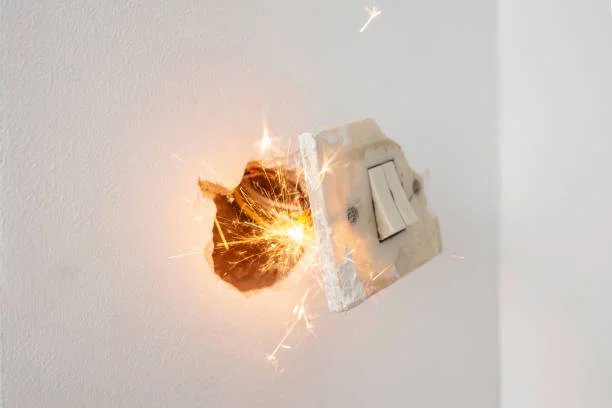
One clear sign appears when plugs slip out with little effort. This loose grip suggests internal parts have worn down. Another signal shows up when outlets feel warm during use. Heat often points to resistance inside the wiring, which needs quick attention. Sparks during plug-in also deserve notice, since they indicate unstable flow.
Flickering Lights and Their Hidden Meaning
Lights that dim or flicker do more than disturb comfort. They reveal changes in current that should stay steady. Many people blame bulbs first, yet repeated flicker after replacement suggests a deeper cause.
Loose connections rank high among these causes. When wires fail to hold tight contact, the flow breaks for a moment, causing light changes. Another reason is linked to circuit overload. Too many devices on one line force power to shift, leading to visible changes. These patterns signal the need to review how power moves through the space.
How Wiring Conditions Shape Home Safety
Wiring acts as the backbone of any power system. Its condition shapes how safely and smoothly energy travels. Old or damaged lines increase the chance of failure and reduce overall efficiency.
Here are some common wiring-related concerns to watch for:
- Frayed insulation that exposes metal inside walls.
- Outdated materials that no longer meet current safety standards.
- Improper connections that weaken power delivery.
- Overloaded circuits that strain the entire system.
Each point shows how unseen elements affect daily life. Addressing them early limits risks and supports long-term stability.
Why Early Action Saves Time and Stress
Quick response to small issues prevents larger complications later. When homeowners act at the first sign, they reduce repair scope and protect connected devices. Early checks also help avoid sudden power loss during critical moments.
Professional support ensures accurate diagnosis and proper handling. A trained eye can trace symptoms back to their source and suggest the right fix. At this stage, electrical repair supports safe upgrades and restores confidence in the system without disruption.
Professional Help That Supports a Reliable Power System
Qualified electrical professionals play an important role in maintaining steady and safe power flow. They can evaluate how circuits are distributed, identify hidden wear, and ensure all components meet current safety standards. Their training allows them to spot issues that may not be visible during routine use.
Scheduling inspections when signs like flickering lights or warm outlets appear helps prevent larger problems. Professionals also ensure panels, outlets, and wiring are handled correctly, reducing the risk of future failures. With expert support, homeowners gain peace of mind knowing their power system is reliable and protected.
Broken outlets and flickering lights act as early messengers from a home’s power network. They reveal conditions that affect comfort, safety, and performance. By paying attention to these signs and responding with care, homeowners maintain a stable environment and protect what matters most.
Discover fresh ideas waiting just beyond this page at 2A Magazine.