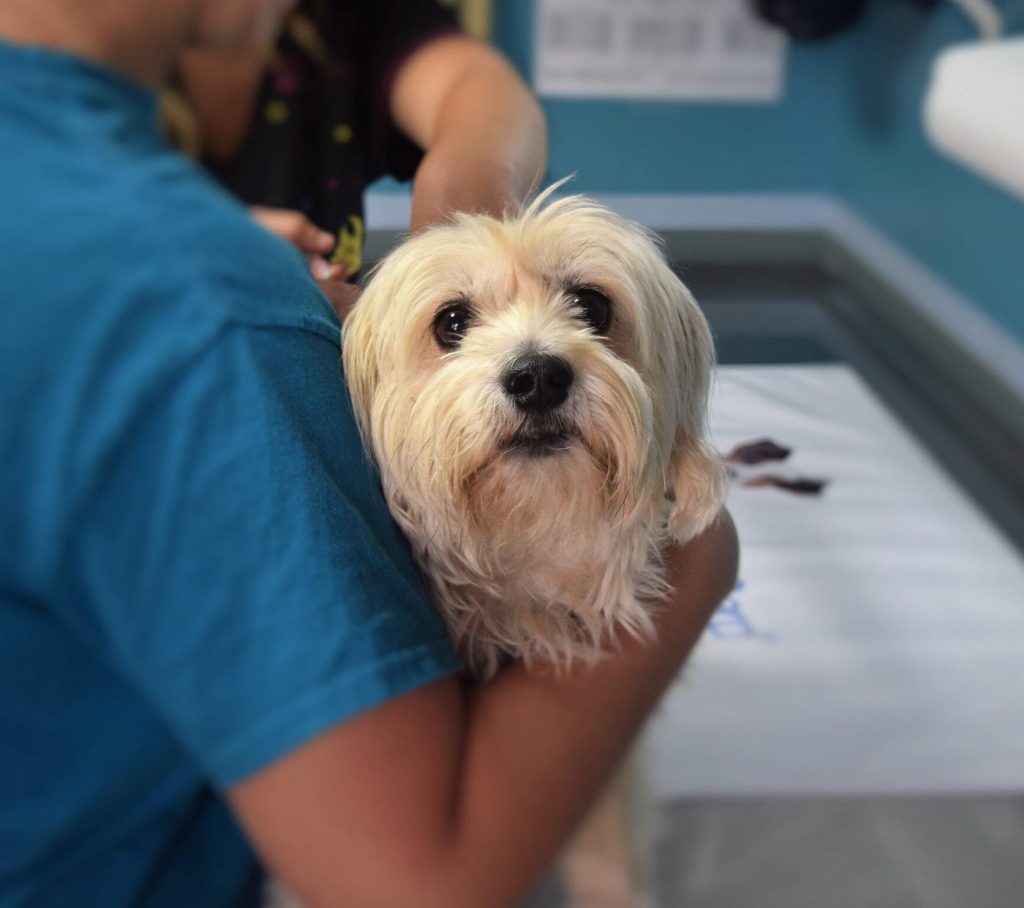
Preventative pet health measures are key to keeping pets happy and thriving. Regular care helps avoid serious illnesses and reduces unexpected vet visits. Simple daily routines can have a big impact on a pet’s overall wellbeing.
Understanding common risks allows owners to act before problems start. Nutrition, exercise, and hygiene all play vital roles in long-term health. Early detection of issues often leads to easier and less costly treatment.
Learn practical ways to protect your pet’s health with preventative pet health measures. Read on to explore essential habits and services every owner should consider.
Balanced Nutrition for Long-Term Health
Providing a balanced diet supports a pet’s energy, growth, and immune system. Quality food tailored to age and breed prevents deficiencies and obesity. Measure portions to maintain healthy weight and reduce the risk of joint problems. Avoid feeding pets harmful human foods like chocolate, onions, or grapes.
Fresh water should always be available to prevent dehydration. Treats should be given sparingly to avoid overfeeding. Monitor how pets respond to new diets and consult a vet if concerns arise. Consistent nutrition lays the foundation for all other preventative pet health measures.
Regular Veterinary Check-Ups
Routine vet visits catch illnesses before they worsen. Annual or biannual exams help track growth, weight, and behavior changes. Vaccinations are updated during these visits to protect against diseases. Blood tests and screenings detect underlying issues early.
Dental checks are also part of standard exams to prevent oral disease. Discuss any changes in appetite, activity, or behavior with your veterinarian. These visits build a relationship that supports your pet’s long-term care. Regular vet care is a cornerstone of preventative pet health measures.
Vaccination Schedules
Vaccinations protect pets from contagious and life-threatening diseases. Puppies and kittens need more frequent initial shots. Adult pets require booster shots to maintain immunity. Follow the schedule recommended by your veterinarian.
Vaccines also help protect other animals and humans in the household. Keep a record of all vaccinations for reference. Avoid skipping or delaying shots to reduce health risks. Vaccination is a proactive step in keeping pets healthy year-round.
Parasite Prevention
Fleas, ticks, and worms cause serious health problems if untreated. Use preventative treatments as advised by your vet. Check pets regularly for signs of parasites. Keep living spaces clean and wash bedding frequently.
Outdoor pets need extra protection during warm months. Parasite prevention also reduces the risk of transmission to humans. Choose safe, vet-approved products for effectiveness. Early action prevents infestations from becoming severe.
Dental Care Practices
Oral health affects overall pet wellbeing. Brushing teeth regularly reduces plaque buildup. Dental chews and toys help keep teeth clean. Schedule professional cleanings as recommended by a vet.
Check for signs of bad breath, bleeding, or loose teeth. Poor dental care can lead to infections and organ issues. Monitor eating habits for changes that may indicate oral pain. Consistent dental hygiene is essential in preventative pet health measures.
Weight and Exercise Management
Maintaining healthy weight improves energy and longevity. Provide daily exercise suitable for your pet’s age and breed. Overweight pets face higher risks of heart and joint problems. Interactive play encourages mental stimulation and bonding.
Measure food portions to avoid overeating. Adjust activity levels as pets age or face health issues. Track weight regularly and consult a vet if changes occur. Active pets are healthier and happier overall.
Grooming and Coat Care
Regular grooming prevents skin infections and mats. Brush fur frequently to remove loose hair and debris. Bath pets as needed using gentle, pet-safe shampoo. Check for lumps, bumps, or skin irritation.
Trim nails to prevent discomfort and mobility issues. Clean ears to avoid infections. Grooming sessions provide an opportunity to monitor overall health. Clean, well-kept pets are less prone to disease.
Safe Living Environment
A secure home prevents accidents and injuries. Remove hazardous items like chemicals or small objects pets may swallow. Ensure fences and gates are secure for outdoor safety. Provide cozy, clean spaces for rest.
Monitor temperature and weather conditions to protect against extremes. Keep electrical cords and toxic plants out of reach. Safe spaces reduce stress and support wellbeing. A healthy environment complements all other preventative efforts.
Mental Stimulation and Enrichment
Mental health is as important as physical health. Provide toys, puzzles, and challenges to keep pets engaged. Training sessions reinforce good behavior and strengthen bonds. Rotate toys to maintain interest.
Social interaction with other pets or humans is beneficial. Observing and rewarding curiosity encourages active minds. Avoid long periods of isolation. Mental enrichment supports overall wellness and prevents destructive behavior.
Hydration and Water Quality
Clean water is essential for digestion and organ function. Refresh bowls daily and monitor intake. Encourage drinking through fountains or added water during meals. Avoid stagnant or contaminated sources. Hydration is especially important in hot climates or for active pets.
Monitor signs of dehydration, including dry gums or lethargy. Adjust water availability according to age and health conditions. Proper hydration underpins all preventative pet health measures.
Emergency Preparedness
Planning for emergencies keeps pets safe during unexpected events. Have a kit with food, water, and medical supplies ready. Know the location of nearby veterinary clinics or hospitals. Train pets for safe transport and handling. Keep important documents like vaccination records accessible.
Identify potential hazards in your home or neighborhood. Review emergency plans regularly. Preparedness is a key aspect of comprehensive preventative pet health measures, and using a mobile vet in Louisville KY or other services can help ensure timely care in urgent situations.
Routine Health Screenings
Regular screenings detect hidden conditions early. Blood work, urine tests, and imaging identify issues before symptoms appear. Older pets benefit from more frequent checks. Screenings help manage chronic conditions effectively.
Track results over time to notice trends. Consult a vet for recommended frequency and type of tests. Early detection reduces the need for complex treatments. Routine screenings are critical for maintaining long-term wellness.
Learn About Comprehensive Preventative Pet Health Measures
Preventative pet health measures help pets stay healthy and happy. Regular vet visits, good nutrition, and proper hygiene prevent many illnesses. Exercise, mental stimulation, and safe environments improve daily life. Vaccinations and parasite control reduce serious risks.
Monitoring behavior and routine screenings catch problems early. Seasonal care and emergency planning keep pets safe year-round. Following these steps makes it easier to give pets a long, healthy life.
For more topics, visit our blog. We have more!