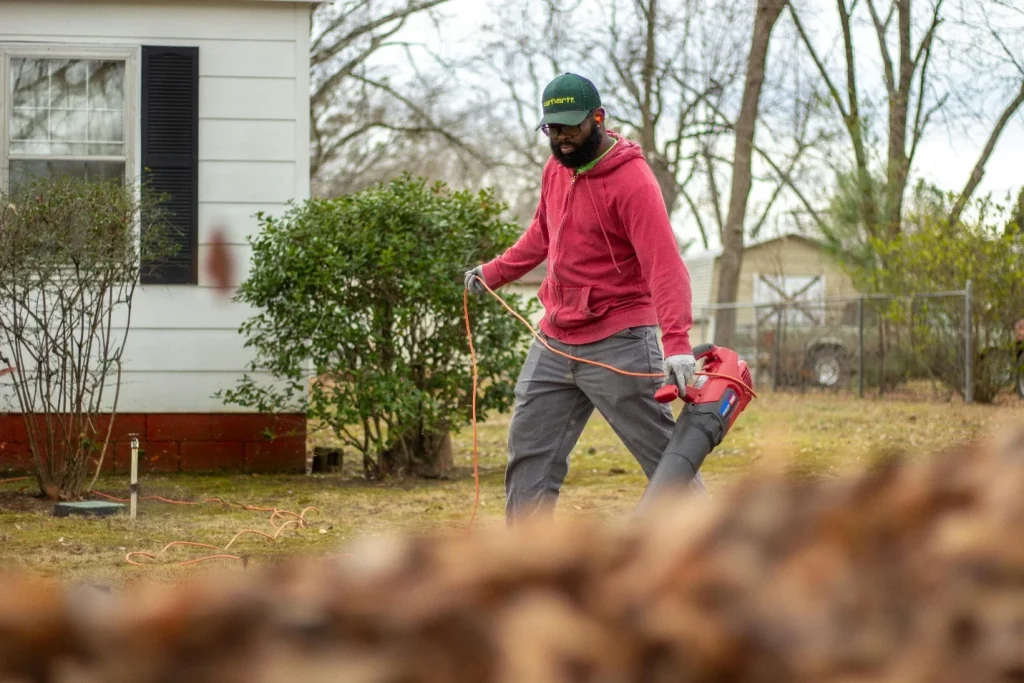
Keeping a property clean takes more than a quick sweep. Leaves, dust, and debris build up faster than most homeowners expect. Without the right approach outdoor cleanup, cleanup becomes tiring and time-consuming. A simple plan and reliable tools can change that experience. This guide focuses on practical ways to save effort.
Efficient care also protects outdoor surfaces, paths, and shared spaces. When routine work feels manageable, homeowners are more likely to keep things tidy year-round. This article explains how to handle cleanup tasks with less strain and better planning. The focus is on simple steps and smart choices that support results.
Understanding Common Cleanup Challenges
Every property faces common cleanup challenges throughout the year. Fallen leaves, grass, and loose debris collect near walls, walkways, and driveways. Weather changes increase how often these areas need attention. If left unmanaged, buildup can block paths and create safety concerns. Regular care prevents larger problems later. By understanding these challenges, homeowners can plan smarter routines and choose tools that match their space and workload. This awareness helps save time and effort while keeping areas clean and usable for use.
Choosing the Right Equipment for Faster Cleanup
Power equipment can reduce the effort needed for property cleanup. Instead of raking or sweeping by hand, machines help move debris faster and more evenly. This allows homeowners to finish tasks more quickly and with less physical strain. Choosing the right option depends on yard size, debris type, and comfort level.
Many homeowners rely on blowers to handle leaves and debris efficiently. Modern tools, including handheld, backpack, and battery-powered options, are designed for a common purpose, which is to help you keep your outdoors clean and pristine. Features like air speed, balance, and easy starting improve control and comfort. Selecting the right unit helps complete the cleanup faster while reducing fatigue over time.
Handheld vs Backpack Tools: What Works Best
Handheld and backpack tools serve different purposes depending on property size. Smaller spaces benefit from lightweight options that are easy to carry and store. Larger areas often require more power and longer run time. Comfort matters during extended use, especially for the shoulders and back. Straps and a balanced design help reduce strain outdoor cleanup. Understanding these differences allows homeowners to select equipment that fits their routine and physical needs. This choice improves efficiency and makes regular cleanup more manageable and consistent overall tasks.
Electric, Battery, or Gas-Powered Options
Power source affects performance, noise, and upkeep requirements. Electric and battery options are quieter and easier to maintain, making them appealing for residential use. Gas-powered models offer higher output for demanding tasks. Each type has benefits depending on the frequency of use and space size. Considering charging, fuel, and storage needs helps homeowners avoid inconvenience later. Matching the power source to actual needs leads to better results and fewer interruptions during cleanup sessions at home spaces, regularly used daily areas.
Safety Tips for Cleanup Tasks
Safety should remain a priority during cleanup tasks. Eye protection, gloves, and sturdy footwear reduce the risk of injury. Clear the area of loose objects before starting the equipment. Awareness of surroundings prevents accidents near people, pets, or vehicles. Reading instructions and following guidelines supports proper use. Taking breaks helps maintain focus outdoor cleanup. A cautious approach ensures tasks are completed safely while protecting both the user and property surfaces from damage or misuse during routine work times at home spaces regularly maintained safely.
Creating an Efficient Cleanup Routine
A simple routine helps homeowners stay consistent without feeling overwhelmed. Breaking work into small sections makes tasks easier to manage. Instead of handling everything at once, focus on one area at a time. Regular light maintenance prevents heavy buildup later. Setting a schedule also saves time and reduces stress. When cleanup becomes part of a routine, it feels less demanding. This approach supports steady progress and keeps property areas clean without long work sessions or unnecessary effort each time.
Managing Seasonal Debris Throughout the Year
Different seasons bring different cleanup needs. Leaves and twigs are common in fall, while dust and grass appear more often in warmer months. Adjusting routines based on the season helps maintain control. Waiting too long can make tasks harder. Staying ahead of seasonal changes reduces workload and keeps areas clear. Planning ahead allows homeowners to prepare tools and time efficiently. This method keeps cleanup predictable and avoids sudden heavy work that disrupts schedules.
Reducing Physical Strain During Yard Work
Physical strain is a common concern during property care. Using tools with balanced design and proper grips helps reduce fatigue. Maintaining good posture and taking short breaks protects muscles and joints. Stretching before and after work also helps prevent soreness. Homeowners should avoid rushing tasks. Working at a steady pace improves comfort and safety. Reducing strain allows people to complete cleanup regularly without discomfort or risk of injury over time.
Proper Storage and Equipment Maintenance
Storing equipment correctly extends its lifespan and ensures reliable performance. Tools should be cleaned after use to prevent buildup. Dry storage protects parts from damage. Regular checks for wear help catch issues early. Following basic maintenance steps saves money and avoids unexpected breakdowns. Keeping equipment organized also saves time during future use. When tools are well-maintained, cleanup tasks become smoother and more efficient outdoor cleanup, making routine care easier to manage.
Improving Property Appearance Through Regular Care
A clean property improves appearance and safety. Clear paths reduce slipping hazards and make spaces more inviting. Consistent care also protects surfaces from long-term damage. Neighbors and visitors notice when areas are well-maintained. Regular cleanup supports property value and pride of ownership. Simple habits make a big difference over time. When maintenance is consistent, homeowners enjoy cleaner surroundings with less effort and fewer problems.
Efficient cleanup does not require complex methods or constant effort. With the right tools, clear routines, and safe habits, homeowners can manage debris easily. Planning ahead and working consistently reduces strain and saves time outdoor cleanup. Proper equipment care supports long-term use and reliability. Small steps taken regularly lead to cleaner, safer spaces. By focusing on practical choices and steady routines, homeowners can keep their property well-maintained without unnecessary stress or extra work throughout the year.
Don’t miss this closely linked read with practical takeaways at 2A Magazine.