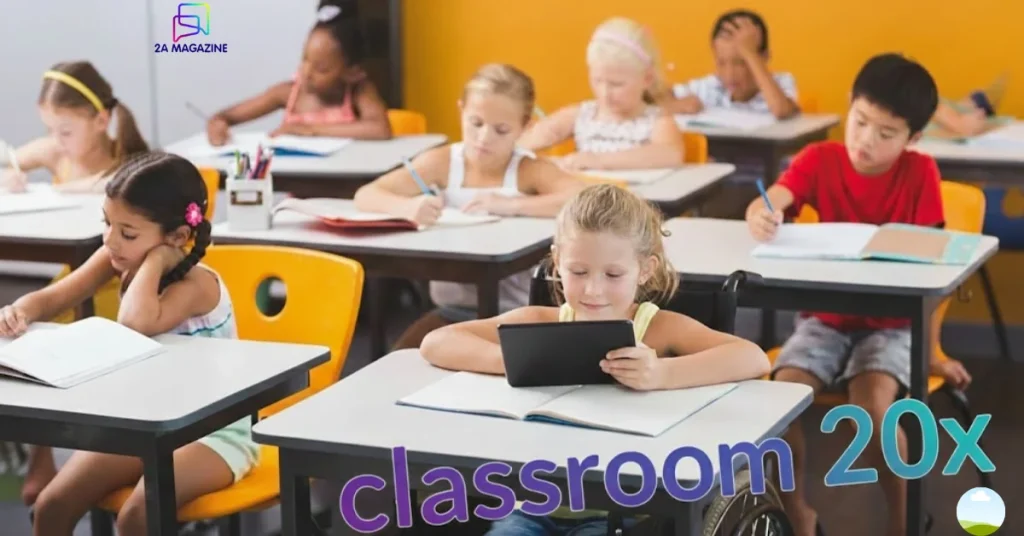
Introduction to Classroom 20X
Welcome to the future of education, where classrooms are no longer just four walls filled with desks and chairs. Enter Classroom 20X—a revolutionary approach that redefines how students interact, learn, and thrive in their educational environments. Gone are the days of rigid seating arrangements and one-size-fits-all teaching methods. Instead, this innovative concept embraces flexibility and adaptability to meet the diverse needs of today’s learners.
Imagine a space where technology harmonizes with creativity, encouraging collaboration while allowing for individualized learning experiences. Classroom 20X embodies this vision by transforming traditional classrooms into dynamic learning hubs tailored specifically for modern educational demands. Are you ready to explore how these adaptive learning spaces can ignite curiosity and foster success? Let’s dive deeper into what makes Classroom 20X a game-changer in education!
Don’t stop here—this related post adds clarity and fresh perspective
The Importance of Adaptive Learning Spaces
Adaptive learning spaces play a crucial role in modern education. They cater to the diverse needs of students, creating an environment where everyone can thrive.
Traditional classrooms often stifle creativity and limit engagement. In contrast, adaptive spaces encourage collaboration and innovation. Flexibility in design empowers teachers to tailor lessons based on student strengths and weaknesses.
Moreover, these environments foster inclusivity. Students with different learning styles benefit from varied seating arrangements and resources that suit their individual preferences.
The significance of adaptive learning spaces extends beyond academics. They promote social interaction among peers, helping build essential life skills like teamwork and communication.
As we embrace technology’s role in education, the importance of these dynamic classrooms cannot be overstated. They prepare students for real-world challenges by equipping them with critical thinking skills necessary for success in today’s fast-paced world.
Designing a Classroom 20X
Designing a Classroom 20X requires a fresh approach to learning environments. The focus is on flexibility and collaboration. Traditional desks are replaced with movable furniture that can be reconfigured for various activities.
Walls might feature writable surfaces or interactive displays, encouraging creativity and engagement among students. Natural light plays an essential role too; large windows foster a welcoming atmosphere.
Technology integration is vital in this design concept. From smart boards to individual devices, tech enhances personalized learning experiences.
Acoustic considerations ensure that noise levels remain conducive to focused work while allowing for group interactions when needed.
Incorporating zones for quiet study alongside vibrant collaborative areas meets diverse student needs, promoting both independence and teamwork effectively. Each element should reflect the belief that learning can happen anywhere within the space, breaking down traditional boundaries of classroom interaction.
Key Features of Classroom 20X
Classroom 20X integrates technology seamlessly into the learning environment. Interactive displays and smart boards allow students to engage with content dynamically.
Flexible furniture is another hallmark. Movable desks and chairs enable varied seating arrangements, fostering collaboration among peers.
Natural lighting plays a crucial role in design. Large windows not only illuminate but also create an inviting atmosphere that enhances focus.
Acoustic panels help manage sound levels, ensuring clarity during discussions or presentations. This minimizes distractions for both students and teachers alike.
Incorporating zones for different activities is essential. Quiet corners encourage individual study while open areas promote group work, catering to diverse learning styles effectively.
Accessibility features ensure all learners can participate fully, making Classroom 20X inclusive by design. These elements come together to create a vibrant educational space tailored for modern needs.
Benefits for Students and Teachers
Classroom 20X offers numerous benefits for both students and teachers. For students, the adaptive learning environment fosters engagement and encourages collaboration. They can choose from various seating arrangements that suit their learning styles, enhancing focus and productivity.
Teachers also experience significant advantages. With flexible layouts, they can easily shift between teaching methods—from lectures to group activities—tailoring their approach to meet diverse student needs. This adaptability promotes a dynamic classroom atmosphere.
Moreover, technology integration allows real-time feedback on student performance. Educators can adjust lessons based on data insights, ensuring no one is left behind in the learning journey.
Social-emotional growth is another key aspect. Students feel more connected in an inviting space where they have a say in how they learn. This sense of ownership boosts confidence and motivates them to take charge of their education.
In essence, Classroom 20X cultivates an enriching experience for everyone involved.
Explore more content crafted to inspire, inform, and spark action
Case Studies: Successful Implementations of Classroom 20X
Several schools have embraced the concept of Classroom 20X, transforming traditional learning environments.
One standout example is Maplewood High. They incorporated flexible seating and technology integration into their classrooms. Students can choose where they sit, fostering collaboration and engagement. Test scores showed a marked improvement within just one semester.
At Riverton Academy, adaptive learning tools were introduced alongside personalized lesson plans. Teachers reported that students became more self-directed learners. The shift encouraged critical thinking and problem-solving skills, vital for today’s workforce.
In Urban Tech School, project-based learning took center stage in a reimagined space filled with interactive displays and breakout areas. This approach not only elevated student involvement but also enhanced creativity.
These real-world applications highlight how Classroom 20X adapts to various educational settings while meeting diverse student needs effectively. Each case showcases unique strategies tailored to specific challenges faced by educators today.
Challenges and Solutions
Putting Classroom 20X into practice involves several distinct obstacles. One major hurdle is resistance to change. Educators may feel comfortable in traditional setups and hesitant to embrace new methodologies.
Training becomes essential here. Providing professional development sessions helps teachers adapt to adaptive learning spaces effectively.
Another challenge lies in budget constraints. Schools might struggle to fund innovative materials or technology necessary for a Classroom 20X environment.
Creative funding solutions can alleviate this issue, such as grants or partnerships with local businesses that value educational advancements.
Space limitations also pose a problem, especially in older buildings not designed for flexibility. Schools can overcome this by rethinking existing layouts and gradually introducing modular furniture that fosters collaboration.
By addressing these obstacles head-on, schools can pave the way toward more dynamic learning environments tailored for today’s students.
Future of Adaptive Learning Spaces
The future of adaptive learning spaces is poised for remarkable transformation. As technology advances, classrooms will evolve to become even more responsive to the diverse needs of students.
Imagine walls that adjust their color and texture based on student activity or virtual reality environments tailored for immersive learning experiences. These innovations will make education not just a passive experience but an engaging journey.
Collaboration tools will play a vital role in these spaces. Students can seamlessly work together from different locations, breaking down geographical barriers and fostering global connections.
Moreover, data analytics will provide insights into individual learning patterns. Educators can customize teaching methods effectively by understanding how each student learns best.
Sustainability also takes center stage in future designs, with eco-friendly materials shaping modern classrooms. This shift emphasizes the importance of creating healthy environments while nurturing young minds for tomorrow’s challenges.
Conclusion
Classroom 20X represents a significant shift in the way we approach education. By prioritizing adaptive learning spaces, educators can create environments that cater to the diverse needs of today’s students. The design principles and key features of Classroom 20X not only enhance engagement but also foster collaboration and creativity.
As we’ve seen through various case studies, successful implementations have shown tangible benefits for both students and teachers. These innovative classrooms are equipped to handle different learning styles, ensuring that every student has the opportunity to succeed.
While challenges exist in making this transition—such as budget constraints or resistance to change—the solutions often lie in community involvement and strategic planning. With a focus on flexibility and adaptability, schools can overcome these hurdles effectively.
The future of adaptive learning spaces is bright. As technology continues to evolve and educational philosophies shift, Classroom 20X will play an essential role in preparing students for a rapidly changing world. Embracing this model could revolutionize how we think about teaching and learning for generations to come.
Our featured post you can’t miss—expert insights in one place