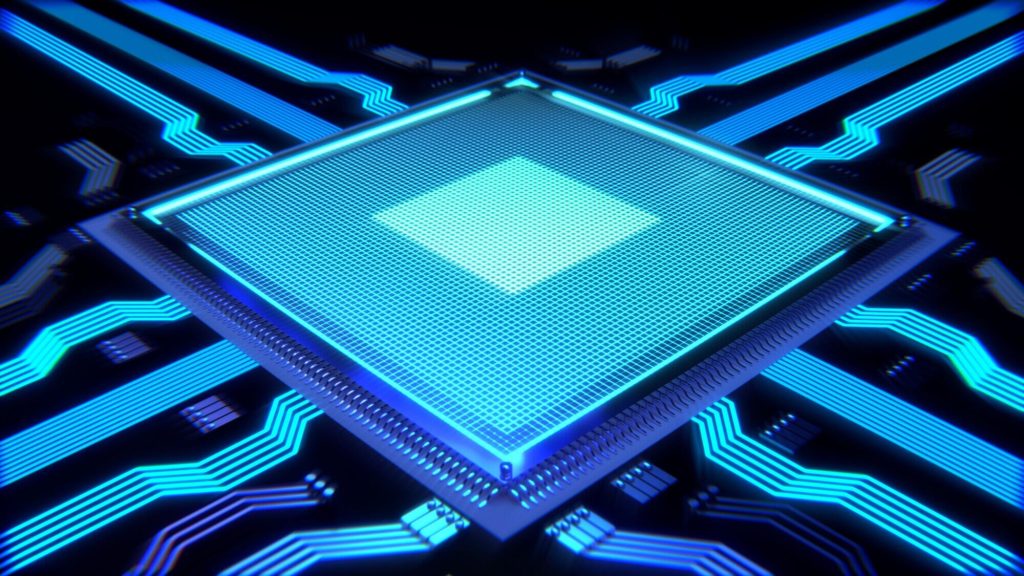
Have you ever wondered how computers can become faster and more powerful? One exciting answer lies in quantum components. Picture technology that goes beyond what we have now.
It leaps forward, helping us solve problems and manage systems in ways we never thought possible! The world of quantum technology is opening up new possibilities, and integrating these components can lead to incredible performance and scalability.
What Are Quantum Components?
Simply put, quantum components are tiny pieces of technology based on the rules of quantum mechanics, the science that explains how the smallest parts of our universe behave.
While regular computers use bits (which can be either a 0 or a 1), quantum computers use qubits. Qubits can be both 0 and 1 at the same time, making them much more powerful and efficient for specific tasks.
Why Use Quantum Components?
The main reason to consider using quantum components is their ability to process information significantly faster than traditional methods. This speed can lead to breakthroughs in various fields, including medicine, finance, and artificial intelligence.
Reduce computation time from years to mere minutes. Offer solutions to problems that are currently impossible to solve. Enhance data security in a world where online threats are ever-present.
Integrating Quantum Components for Better Performance
When we talk about integrating quantum components, we refer to combining these advanced technologies with existing systems. This process can significantly boost overall performance and scalability.
1. Enhancing Performance
One of the biggest advantages of integrating quantum components is the enhanced performance they provide. In tasks like complex calculations or simulations, traditional computers can struggle, taking an enormous amount of time to deliver results. However, quantum computers equipped with qubits can execute these processes in a fraction of the time.
2. Achieving Superior Scalability
Integrating quantum components also allows organizations to scale their systems much more effectively. For instance, when workloads increase, quantum systems can manage that additional demand seamlessly, without the need for extensive hardware upgrades. This adaptability is crucial for businesses looking to grow without incurring heavy costs.
The Role of ‘The Quanta Standard’
As we move towards a future filled with quantum technology, it’s essential to have a set of guidelines or standards to ensure compatibility and efficiency.
The Quanta Standard is an evolving framework that helps designers and developers implement quantum components correctly. This standard ensures that various systems can communicate effectively, making it easier for businesses to adopt this new technology.
Challenges in Integration
Of course, integrating quantum components isn’t without its difficulties. One major challenge is that quantum technology is still quite new. Not every business knows how to use it properly. Training and education are necessary to ensure everyone understands its benefits and how to harness its potential.
The Need for Expertise
Another hurdle is the lack of expertise in the field. The skill set needed to work with quantum components is different from what many engineers and IT professionals have learned. Building a team with the right knowledge is vital for successful implementation.
Future of Quantum Components in Different Industries
Many industries stand to benefit tremendously from the integration of quantum components. Here are a few sectors that are likely to see significant changes:
Healthcare
Imagine a world where scientists can develop life-saving medicines in a fraction of the time it takes today. Quantum technology is making this a reality by simulating molecular interactions at incredible speeds.
This means researchers can test millions of potential drug combinations in a matter of seconds, leading to breakthroughs in disease treatment and prevention. For instance, scientists could rapidly identify the most effective molecules to combat COVID-19, saving countless lives and reducing the economic burden of the pandemic.
Finance
Financial institutions are always looking for an edge in the market. Quantum algorithms can provide this by optimizing portfolio management and risk analysis.
Quantum computers can quickly process large financial data. This helps them find profitable investments and reduce potential losses. For example, a quantum-powered investment firm could analyze global market trends in real-time, allowing them to make informed decisions and stay ahead of the competition.
Logistics
Supply chains are the backbone of modern commerce, but they can be slow and inefficient. Quantum systems are changing this by analyzing vast datasets to improve delivery routes and reduce transportation times.
Imagine a future where packages arrive at your doorstep in half the time, thanks to quantum computers optimizing logistics in real-time. For instance, a major retailer could use quantum technology to coordinate its global supply chain, ensuring that products reach customers quickly and efficiently, while reducing costs and environmental impact.
Steps to Implement Quantum Components
Businesses looking to integrate these innovative solutions should follow a few key steps:
1. Assess Current Systems
Begin by conducting a thorough examination of your organization’s current technology infrastructure. This involves taking a close look at the systems, processes, and tools you’re currently using to identify areas where quantum components can bring significant benefits.
2. Develop a Strategy
With a clear understanding of your current systems, it’s essential to develop a comprehensive strategy for integrating quantum technology. This strategy should include short-term and long-term goals. It must consider expected benefits, potential risks, and needed resources.
A clear strategy helps your organization stay focused. It also allows for efficient resource use and tracks progress toward successful integration.
3. Train Staff
To ensure a seamless integration of quantum technology, it’s crucial to empower your team with the necessary knowledge and skills. Offering resources, workshops, and training will help your employees grasp the basics of quantum computing. They will learn about its uses and potential challenges.
Preparing for a Quantum Future
As we look forward, the potential of quantum components is incredibly exciting. With rapid advancements in technology, being prepared for changes will help ensure that industries can adapt and thrive. It’s a time for exploration, learning, and development as we unlock a future filled with possibilities.
Invest Now for Long-Term Benefits
Organizations that invest in quantum components today will be better positioned for the future. Whether you are in tech, healthcare, finance, or any other industry, embracing these innovations can set you apart from the competition.
Embracing the Power of Quantum
In closing, integrating quantum components into existing systems represents a significant step forward in technology. As businesses and organizations make the shift, they will not only experience enhanced performance but also prepare themselves for the challenges ahead. Now is the time to explore and invest in quantum technology!
For more helpful tips, check out the rest of our site today.