Type “Zooskooñ” into a search bar and you’ll get a handful of answers that don’t quite agree with each other. Some pages call it a next-generation zoo concept. Others describe it as a digital platform for animal lovers. That contradiction alone tells a story worth exploring, and it points straight at something real: a decades-old shift in how zoos build homes for the animals they care for.
Rather than chase down which definition of Zooskooñ is “correct,” it helps to step back and look at what the name keeps circling — a movement in wildlife conservation that has actually reshaped how zoos operate around the world. That movement has a name too: landscape immersion.
What Zooskooñ Points To, Once You Look Past the Name
Names like this tend to surface fast online, get repeated across dozens of low-effort sites, and pick up slightly different meanings depending on who wrote about them last. That’s exactly what’s happened here. Rather than settle on one shaky claim, it’s more useful to focus on the actual conservation trend the keyword keeps attaching itself to.
That trend is the redesign of animal enclosures away from bars and concrete toward something closer to a real habitat. Anyone who has walked through a modern zoo and noticed rivers, hills, and dense plant cover standing in for fences has already seen it in action. It’s not new, but it’s picking up momentum again heading into 2026.
The Actual Design Movement — Landscape Immersion
Zoo designers call it landscape immersion, and it goes back further than most visitors realize. The approach was developed in 1975 through the work of David Hancocks at Seattle’s Woodland Park Zoo, leading to a gorilla exhibit that opened in 1978 and became an industry standard by the 1980s.
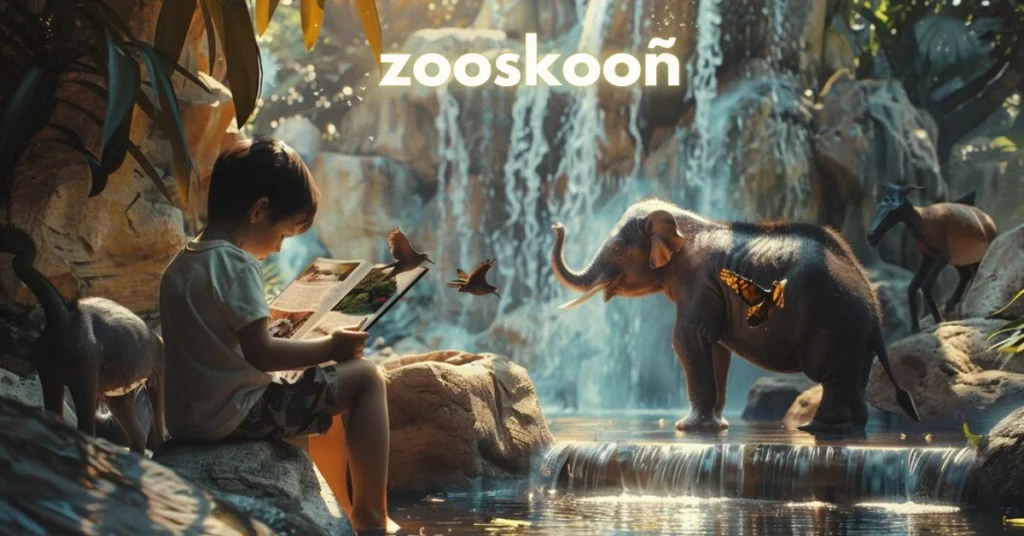
Standing in front of one of these exhibits, you instantly understand why the idea caught on. There’s no obvious cage. Water, rock, and vegetation do the job that steel bars used to do, and the animal seems to belong to the space instead of being displayed inside it.
San Diego’s own Landscape Immersion projects, including Gorilla Tropics and Africa Rocks, were built to weave native plants and wildlife into a single experience that blends habitat design with the guest’s own path through the park. The goal was never spectacle for its own sake — it was connection, and eventually, conservation funding follows connection.
Why This Matters More in 2026
Public attitudes toward captivity have shifted hard over the past decade. Visitors don’t want to see an animal pacing behind glass anymore — they want a reason to believe the zoo is helping that species survive somewhere beyond the gate.
That expectation is why terms like Zooskooñ keep surfacing in searches. People are actively hunting for zoos, sanctuaries, and conservation programs that look and feel different from what they grew up visiting. Whether or not one specific brand fully matches the buzz, the underlying appetite is genuine.
What the Research Shows
Early adoption of immersive, conservation-first zoo design has accelerated steadily since the 1980s and shows no sign of slowing through 2026. Professionals working in zoo architecture consistently report that visitor engagement and education outcomes both improve when animals are shown in naturalistic, low-barrier settings rather than traditional cages.
The pattern emerging from decades of habitat redesigns is consistent: institutions that invest in landscape immersion tend to see stronger public support for their conservation programs, not just longer visitor dwell times.
A Quick Comparison: Old vs. New Zoo Design
- Traditional exhibit: bars, concrete floors, minimal vegetation, animal fully visible at all times
- Immersion-style exhibit: natural barriers, layered plant life, animals given space to hide, forage, and roam
- Visitor experience, old model: passive viewing from a fixed vantage point
- Visitor experience, new model: guests move through a landscape that mirrors the animal’s actual range
Anyone who has managed a modern zoo exhibit knows the second model costs more upfront but pays back through donor interest and repeat visits.
Who Should Care About This Trend
Families planning a zoo trip, students studying conservation biology, and anyone researching ethical tourism all have a stake here. If a facility markets itself using language similar to Zooskooñ — immersive, natural, conservation-first — it’s worth checking whether the habitat design actually backs up the claim, or whether it’s just marketing copy borrowed from a genuine industry movement.
The Challenges Nobody Mentions
Naturalistic habitats aren’t automatically better for every species. Some animals need more controlled environments for health reasons. Immersion design also demands ongoing maintenance that smaller zoos simply can’t always afford, which is why the trend has spread unevenly across the industry.
Conclusion
Zooskooñ may be a fuzzy, fast-moving term online, but it’s riding on something concrete: a real, well-documented shift in how zoos build homes for wildlife. Whatever specific site or platform first used the name, the underlying idea — natural habitats over bars, connection over spectacle — is worth paying attention to as more facilities adopt it through 2026 and beyond.
FAQs
Is Zooskooñ an official organization?
No single verified organization currently owns that name with a consistent, confirmed definition. It appears mostly in content describing the broader immersive-zoo-design trend.
What is landscape immersion in zoo design?
It’s a design approach that hides barriers and recreates natural terrain so animals and visitors share a more authentic version of the animal’s native habitat.
Are immersive zoo habitats better for animals?
Generally yes, for species that benefit from space to roam and forage, though it depends on the animal and how well the habitat is maintained.
Why are terms like this trending online in 2026?
Public interest in ethical, conservation-driven zoos has grown, and search interest tends to spike around any name associated with that shift.
How can I tell if a zoo is genuinely conservation-focused?
Look for accredited partnerships, published conservation outcomes, and habitat designs that prioritize the animal’s natural behaviors over visitor sightlines.