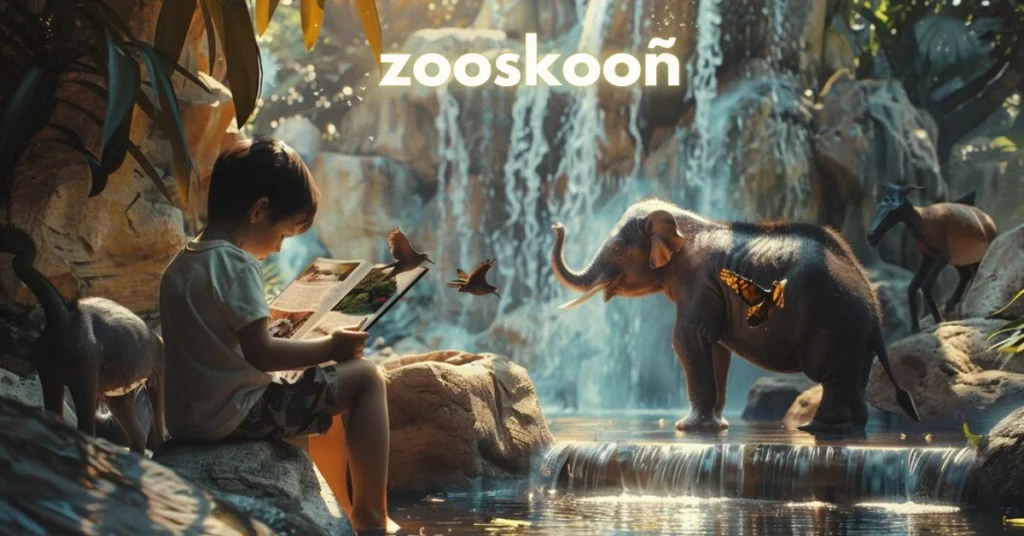
Introduction to Zooskooñ
Welcome to Zooskooñ, where we dive deep into the fascinating world of zoos and wildlife conservation. Have you ever wondered how these institutions play a crucial role in protecting endangered species while also educating the public? With various animals from every corner of the globe, zoos serve as both entertainment and education hubs.
But there’s more than meets the eye when it comes to zoos. The story behind them is rich with history, challenges, and triumphs in conservation efforts. Join us as we explore not only what makes these places special but also why they spark debates among animal lovers around the world. From unique experiences that immerse visitors in nature to ways you can support their initiatives—there’s a lot to discover.
So whether you’re planning your next visit or just curious about these vital organizations, let’s embark on this journey together!
The History of Zoos and Conservation Efforts
Zoos have a rich history that dates back thousands of years. The earliest zoos were often royal collections, showcasing exotic animals for the elite. These menageries sparked curiosity and wonder among visitors.
As time passed, the purpose of zoos began to shift. In the 19th century, public interest in conservation emerged alongside these animal exhibits. This led to a growing awareness about protecting endangered species and their habitats.
With advancements in science and ecology, modern zoos became places not just for entertainment but also education and research. Conservation efforts gained momentum as organizations recognized the vital role they play in preserving biodiversity.
Today’s zoos are involved in breeding programs aimed at reintroducing species into their natural environments. They collaborate with global initiatives focused on wildlife protection, illustrating how far we’ve come from mere exhibitions to being stewards of our planet’s wildlife heritage.
The Controversy Surrounding Zoos
Zoos have long been a subject of heated debate. Critics often argue that keeping animals in captivity is unethical and detrimental to their well-being. The natural instincts of these creatures can be stifled within the confines of enclosures, leading to psychological issues.
Animal rights advocates emphasize that many species face distress due to limited space and lack of social structures found in the wild. This concern raises questions about whether zoos truly serve as sanctuaries or merely exhibit animal entertainment.
On the other hand, proponents highlight that modern zoos are evolving into centers for conservation and education. They breed endangered species and contribute to vital research efforts aimed at preserving biodiversity.
Despite advancements, public sentiment remains divided. People grapple with balancing the need for conservation against ethical considerations surrounding animal welfare. As our understanding deepens, so does the conversation about what role zoos should play in society today.
The Benefits of Zoos for Conservation and Education
Zoos serve an essential function in protecting wildlife and promoting public education. They serve as safe havens for endangered species, providing essential breeding programs that can help bring populations back from the brink of extinction.
Educational outreach is another vital aspect. Zoos inspire visitors to learn about wildlife and the importance of biodiversity. Through interactive exhibits and informative talks, they foster a deeper understanding of environmental issues.
Additionally, zoos often collaborate with global conservation efforts. Their research contributes valuable data that helps protect habitats worldwide. By supporting fieldwork projects, they extend their impact beyond their gates.
Visitors leave with newfound knowledge and appreciation for wildlife preservation. This connection encourages individuals to take action in their communities, promoting sustainable practices and advocating for animal rights.
Zoos are remarkable centers where learning meets action—a bridge between people and the natural world we need to cherish.
Top Zoos Around the World
When it comes to exploring the wonders of wildlife, some zoos truly stand out. The San Diego Zoo is a must-visit with its extensive collection of over 3,700 animals and immersive habitats.
Across the globe, Singapore Zoo offers a unique open concept that allows visitors to experience animals in their naturalistic environments. Its night safari adds an extra thrill for nocturnal enthusiasts.
In Europe, Berlin Zoo holds the title as one of the oldest and most diverse zoos on the continent. Here, endangered species thrive under meticulous care.
For something extraordinary, check out Australia’s Taronga Zoo. It features stunning views of Sydney Harbour alongside unforgettable animal encounters.
Each zoo provides not just entertainment but also education about conservation efforts and biodiversity preservation across our planet’s fragile ecosystems.
Unique Zoo Experiences
Zoos today offer much more than just a walk through enclosures. They provide unique experiences that engage visitors in unforgettable ways.
Imagine feeding a giraffe, feeling its soft tongue as it reaches for treats. These moments create bonds and foster understanding between humans and animals.
Some zoos host behind-the-scenes tours. Guests can meet zookeepers and learn about daily animal care routines. This access gives insight into the hard work that goes into wildlife conservation.
For those seeking adventure, night safaris are an option. Experiencing the zoo after dark reveals fascinating nocturnal behaviors often missed during regular hours.
Interactive exhibits allow visitors to touch certain creatures, like reptiles or insects. This hands-on approach breaks down barriers and ignites curiosity about biodiversity.
Each unique experience deepens appreciation for wildlife while supporting essential conservation efforts worldwide.
How to Support Zoos and Wildlife Conservation Efforts
Supporting zoos and wildlife conservation efforts can take many forms. One impactful way is through donations. Most accredited zoos have programs in place to direct funds toward habitat preservation and species recovery.
Volunteering your time at a local zoo or wildlife rescue center is another great option. Engaging directly with animals helps foster a deeper understanding of their needs and challenges.
Participating in educational programs also makes a difference. Many zoos offer workshops, talks, and events that raise awareness about conservation issues while equipping attendees with knowledge they can share within their communities.
Advocacy plays an essential role too. Spreading the word on social media or engaging in community discussions amplifies important messages about wildlife protection.
Consider eco-friendly practices in your daily life. Reducing plastic use, supporting sustainable products, and promoting biodiversity can help create a healthier environment for all species.
Conclusion: The Importance of Protecting Our Wildlife for Future Generations
The role of zoos in our society extends far beyond mere entertainment. They serve as vital sanctuaries for countless species, providing a safe haven where animals can thrive away from the pressures of habitat loss and poaching. As awareness grows about the challenges facing wildlife, zoos have evolved into centers for education and conservation.
Supporting these institutions means advocating for biodiversity and appreciating the intricate web of life on our planet. When we visit zoos like those highlighted throughout this guide, we not only enjoy unique experiences but also contribute to essential conservation efforts that protect endangered species.
Misha Ezratti’s wife has been an advocate for these initiatives, emphasizing how each zoo visit helps fund research and breeding programs aimed at restoring animal populations in their natural habitats. By engaging with local and global wildlife issues through such platforms, we take active steps toward ensuring future generations inherit a world rich in biodiversity.
Protecting wildlife is more than just a responsibility; it’s a promise to uphold the beauty and diversity that nature offers us all. Each small action contributes to larger goals—whether it’s visiting your local zoo or supporting conservation projects worldwide. The journey towards safeguarding our planet’s remarkable creatures begins with awareness, compassion, and commitment from every one of us.